REVIEW · CAT BA
A half day deep water soloing in Lan Ha Bay – Cat Ba.
Book on Viator →Operated by Cat Ba Ventures · Bookable on Viator
Knee-deep walls, then open bay. This half-day Lan Ha Bay deep water soloing trip turns limestone cliffs into an instant ocean adventure, with English help, real route coaching, and sea-level climbing built around the tide schedule. Two things I really like: you get solid instruction on technique before you go higher, and you also get time to cruise and kayak between climbing sessions, so it feels like more than just “climb and done.”
One thing to consider: the plan depends on water conditions, so you’ll start at 8am or 1pm depending on tide, and the whole experience requires good weather.
In This Review
- Key Highlights You’ll Feel on the Day
- Lan Ha Bay Waterline Climbing: Why This One Works
- When You Start: Tides Control Your Climb and Your Kayak Time
- Hòn Tay Kéo: Your Technique Comes First
- Three Brothers: Stepping Up With 5a–7c Options
- The Cruise and Floating Fishing Village Stops
- Low Tide Kayaking: Exploring When the Bay Opens Up
- Your Guide: English Support That’s More Than Directions
- Gear, Comfort, and What’s Included (So You Don’t Overpack)
- Price and Value: How $70 Fits a Half-Day DWS Day
- Who This Tour Suits (And Who Might Want a Different Day)
- Should You Book This Half-Day DWS With Cat Ba Ventures?
- FAQ
- What is the duration of the half-day deep water soloing tour?
- What time does the tour start?
- Where do I meet for the tour?
- Is this tour private?
- What climbing difficulty levels are included?
- What’s included in the price?
- What is the cancellation and weather rule?
Key Highlights You’ll Feel on the Day
- English-speaking local guides who help you reach routes and match options to your level
- Tide-driven itinerary: climb at high tide, then cruise/kayak at low tide
- Two major climbing areas: Hòn Tay Kéo and Three Brothers, with graded routes
- Coaching that’s hands-on, including pointing the next hold and adapting the session
- A full bay feel with stops for views, a floating fishing village, and optional swimming
- Value basics included: climbing shoes plus 1.5 liters of bottled water
Lan Ha Bay Waterline Climbing: Why This One Works
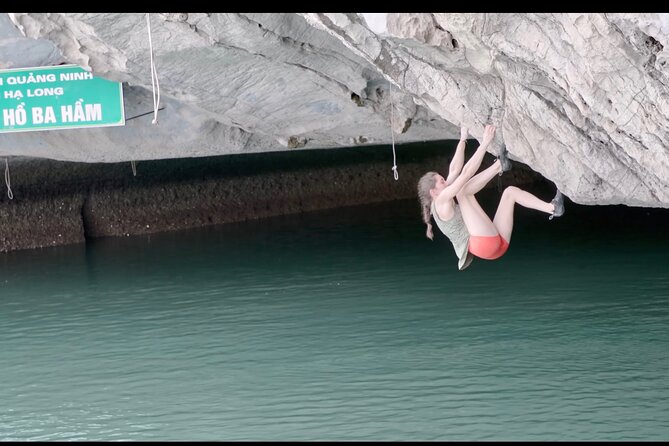
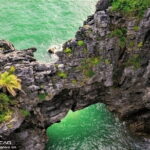
Lan Ha Bay is the kind of place that looks like a postcard even before you start moving, but what makes this trip different is how you actually use the bay. You cruise around limestone islands, stop at climbing spots where the rock drops straight into the water, and you do it at the right time so the conditions support what you’re trying to do.
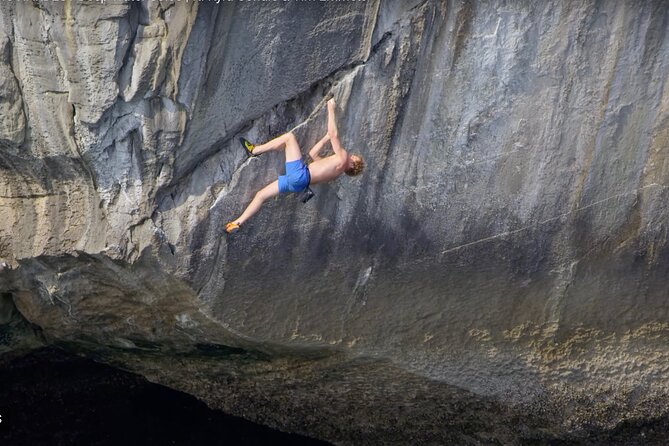
Deep water solo here means you’re not climbing a dry wall in a gym. Your “landing zone” is the sea, so the experience is part technique, part courage, and part trust that the bay has your back. The guide’s job is to keep you safe and comfortable while still letting you feel the thrill.
What I like most is the structure: you begin with easier lines to get your rhythm, then you progress to steeper, more demanding routes when it makes sense. That matters because DWS is not just about strength. It’s about reading holds, managing moves, and staying calm when the height gets real.
You can also read our reviews of more tours and experiences in Cat Ba.


When You Start: Tides Control Your Climb and Your Kayak Time
This tour runs about 4 hours and starts either 8am or 1pm, depending on the tide level. The pattern is consistent: you climb when the water is high enough to support the routes and conditions, then you shift into cruising and kayaking when the water lowers and opens up access to more areas.
That tide logic affects your whole day, even if you’re not thinking about it yet. When the water is right, the guide can take you to climbing that fits your grade range, and the bay transitions from “climbing backdrop” to “exploration playground.”
The practical upside: you’re not spending your half day waiting around on shore. The bay itself is the schedule. The tradeoff: if weather turns, the operator may adjust or cancel for safety, since the trip depends on being on the water.
Hòn Tay Kéo: Your Technique Comes First
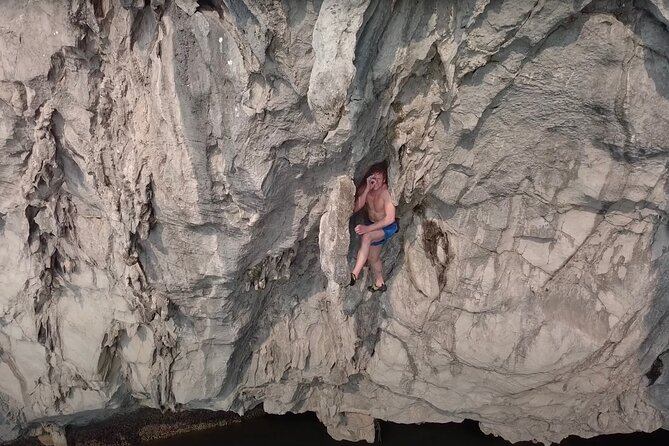
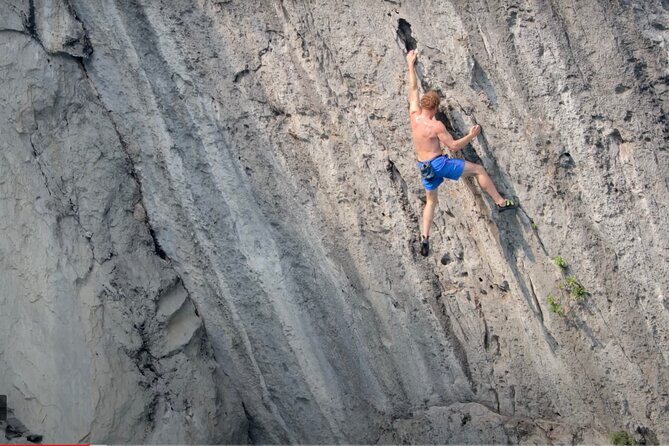
The session begins at Hòn Tay Kéo, where your local guide sets you up with the key ideas you need before you take on harder moves. Even if you’ve climbed before, DWS can feel different because you’re committing higher moves with the knowledge that you’re not coming down onto a mat.
You’ll get guidance on jumping and landing techniques, plus the guide explains the tide timing and what grades you should aim for. Then you work through a sequence that usually starts easier, so you can learn the feel of the rock and the height without panic.
What makes this stage especially useful is that it’s not one-size-fits-all. The guide assesses how you climb and then nudges you toward more advanced options when you’re ready. The grading here ranges around 5a up through 7b+ depending on the line, and there are more than ten routes for both developing climbers and stronger ones.
If you’re new, I’d treat this part as your confidence builder. Get a few successful attempts, practice controlled movements, and let the ocean replace fear with focus.
Three Brothers: Stepping Up With 5a–7c Options
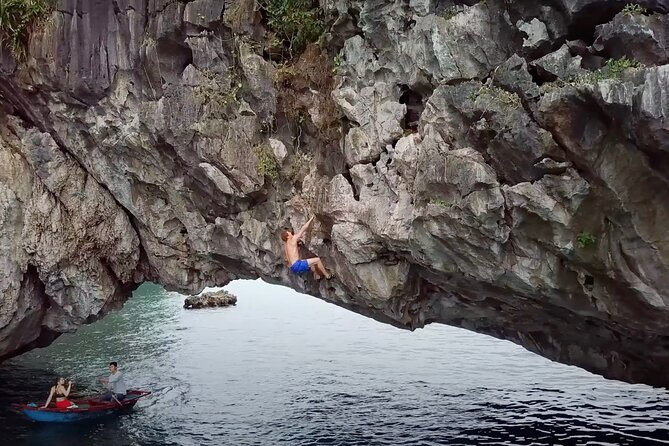
After Hòn Tay Kéo, you move to the harder zone: Three Brothers. This area offers over 15 routes graded roughly 5a to 7c, with enough variety that you don’t have to “all or nothing.” The guide can choose lines that match your ability so you’re challenged, but not set up to fail.
This is where the half-day can feel like it really “clicks.” By the time you reach Three Brothers, you’ve already learned how the rock moves under your feet, how to plan your next hold, and how to handle the jump/commitment part of DWS. So the more demanding routes feel like progression instead of sudden shock.
From a value perspective, this matters. You’re paying for guided access to two quality climbing areas and a pace that helps you get meaningful attempts in a limited time window.
The Cruise and Floating Fishing Village Stops
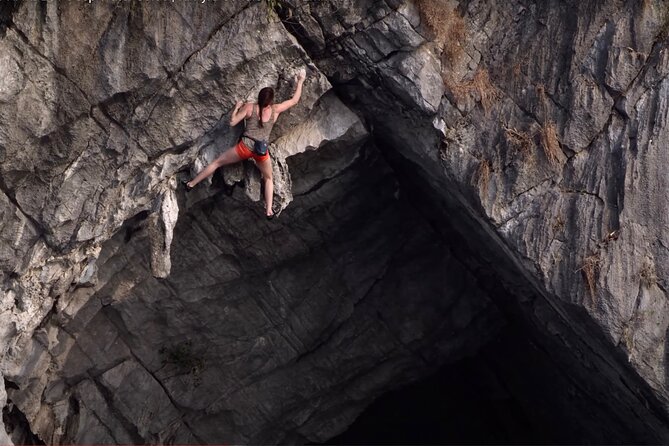
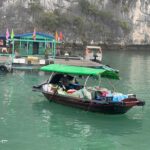
Between climbing bursts, you’ll be on a boat cruising around Lan Ha Bay. You also stop at some of the most memorable scenery, including areas with a floating fishing village.
Even if you’re mainly focused on climbing, the cruise is not filler. It’s your reset. It keeps the experience moving, gives you time to look at the limestone formations from a distance, and helps you understand why these places are chosen for DWS in the first place.
The guide also uses this time to explain the bay and point out features you’ll likely notice more once you’re back in the water. If you like travel that teaches you as you go, this part adds weight to the day.
Low Tide Kayaking: Exploring When the Bay Opens Up
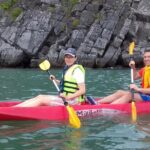
When the tide is lower, you get the chance to kayak through the limestone islands area and around parts of the bay. The trip description also includes options like swimming if you want to rest after climbing.
Kayaking here is a great balance to DWS because it slows the pace without killing the adventure. You’re still on the water, still surrounded by dramatic shapes, but you’re not trying to solve a route every few minutes.
This is also where you’ll appreciate the guide’s local knowledge. You’re not just paddling in circles. The itinerary is built around “access moments” created by tide, so you can see more than you would if you showed up and guessed.
Your Guide: English Support That’s More Than Directions
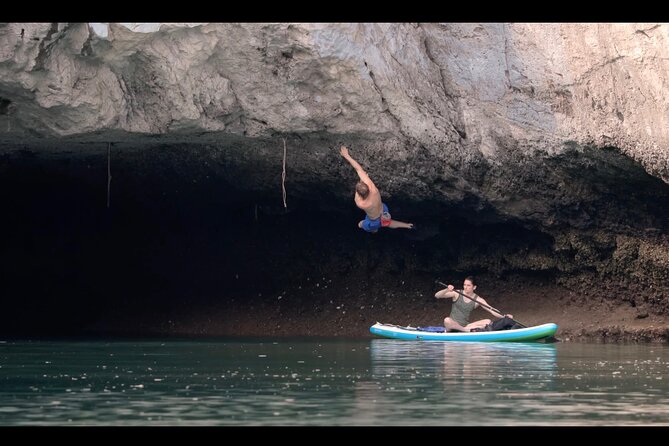
The best DWS days feel supported, not managed. This tour leans hard into that. Your guide is English speaking and works as your partner for route finding and reaching climbing lines efficiently.
In real-world moments, the support can be very hands-on. One guide (often mentioned as Ninh) is described as using a laser to point out the next hold when climbers were tired or stuck. Another guide (mentioned as Viet) is described as giving lots of information about the environment and nearby caves, plus taking helpful photos and video so you can actually remember the day clearly.
I also like that the coaching doesn’t stop at route tips. Some guides go further into the small things that keep people comfortable during repeated attempts, including advice to manage energy and even physical support like forearm massage when someone’s getting fatigued.
That matters on a half-day. You’re doing multiple routes, and DWS is physically and mentally demanding. When your guide helps you stay focused, you tend to climb better and enjoy more.
Gear, Comfort, and What’s Included (So You Don’t Overpack)
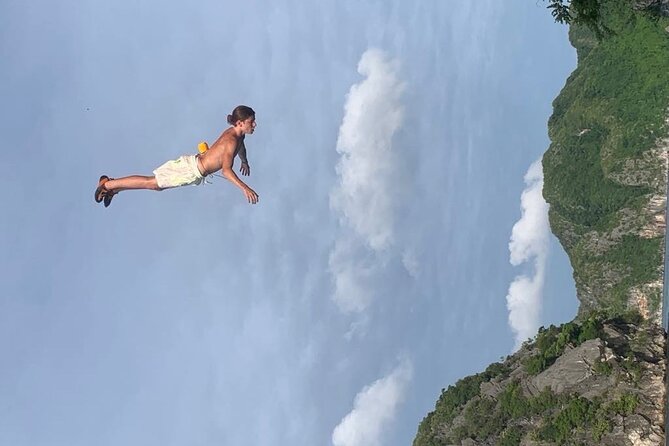
This tour includes climbing shoes and bottled water (1.5 liters). That’s a nice baseline because footwear quality can make a big difference on friction and balance.
What’s not included: breakfast, coffee/tea, and alcoholic beverages. So I’d plan to eat before you go, and if you like a caffeine hit, bring your own plan since the tour won’t provide it.
Because you’ll kayak and may swim, you should expect you’ll get wet at least some of the time. Plan to wear or bring things you’re okay with getting damp, and keep an eye on how you’ll dry off between climbing and paddling so you stay comfortable.
You’ll meet at 223 Một Tháng Tư, TT. Cát Bà, Cát Hải, Hải Phòng, Vietnam, and the tour ends back at the meeting point.
Price and Value: How $70 Fits a Half-Day DWS Day
At $70 per person for about 4 hours, the value comes from the mix of logistics and expertise. You’re not just paying for climbing access. You’re paying for:
- A boat cruise around Lan Ha Bay
- Access to two climbing locations (Hòn Tay Kéo plus Three Brothers)
- A guide who helps with tide timing, route selection, and English communication
- Climbing shoes and a big chunk of the day’s basic needs (water)
- Optional kayaking time
If you try to DIY it, you’d still need local access, tide awareness, and a way to find safe routes quickly. That’s exactly what you’re outsourcing here.
So the question isn’t only cost. It’s whether you want someone to handle the “how do we make this work” part while you focus on climbing. If that’s your style, $70 for this format feels reasonable.
Who This Tour Suits (And Who Might Want a Different Day)
This trip is described for travelers with moderate physical fitness, and it includes active water time plus climbing attempts. You don’t need to be an expert, but you do need comfort with heights and water, because DWS means commitment moves above the sea.
It suits you if:
- You want outdoor climbing with real ocean context
- You’re between beginner and intermediate and want options around 5a to 7c
- You’d like a guide who can adapt the route plan to your ability
It might be less ideal if:
- You’re not comfortable with unpredictable conditions created by tide and weather
- You strongly prefer fully controlled climbing environments (since the landing is water and the feel is different from a gym)
If you’re the kind of person who likes structure, coaching, and a good pace, this half day fits nicely. You’ll get a lot of meaningful movement without it turning into an all-day grind.
Should You Book This Half-Day DWS With Cat Ba Ventures?
Yes, if you want your Cat Ba time to feel adventurous fast. This tour blends climbing instruction, two serious limestone areas, and real bay exploration in a tight window. The fact that it runs on tides is not just a complication; it’s what makes the experience possible and lets you do both climbing and kayaking without waiting around.
I’d say book it if you:
- Like having an English-speaking local guide who helps you find the right routes
- Want to try a mix of grades from easy warm-ups to tougher lines
- Prefer a half-day plan that’s active and scenic rather than slow sightseeing
Skip it if you’re very weather-sensitive or you’re hoping for a totally predictable schedule with zero chance of adjustment.
If you’re ready for sea-level climbing and you’d enjoy being taught how to land and commit safely, this is a strong Cat Ba choice.
FAQ
What is the duration of the half-day deep water soloing tour?
The tour lasts about 4 hours.
What time does the tour start?
It starts at either 8am or 1pm, depending on the tide level.
Where do I meet for the tour?
You meet at 223 Một Tháng Tư, TT. Cát Bà, Cát Hải, Hải Phòng, Vietnam. The activity ends back at the same meeting point.
Is this tour private?
Yes. It’s a private tour/activity, so only your group participates.
What climbing difficulty levels are included?
Routes are graded from about 5a up to around 7c, with options at both Hòn Tay Kéo and Three Brothers.
What’s included in the price?
Included items are bottled water (1.5 liters) and climbing shoes.
What is the cancellation and weather rule?
You can cancel for a full refund up to 24 hours before the experience starts. The experience requires good weather, and if it’s canceled due to poor weather, you’ll be offered a different date or a full refund.