REVIEW · HANOI
8 Days Package Tour in Vietnam
Book on Viator →Operated by ADVENTURE INDOCHINA TRAVEL COMPANY LIMITED · Bookable on Viator
Caves, canals, and cable cars, in one loop. This 8-day Vietnam package moves fast through the big contrasts you came for, from Halong Bay limestone views to the wartime stories underground at Cu Chi. You get city orientation early, then hit the major regions in a smart order before finishing with a full day on the water.
I like two things a lot. First, you’re not constantly figuring out logistics: pickup is included for key legs, and you’ll have hotel stays in major hubs (3-star hotels in Hanoi, Da Nang, and Ho Chi Minh City). Second, the price covers real extras like entrance fees plus multiple meals (5 breakfasts, 5 lunches, and 1 dinner), so your budget stays more predictable.
One thing to consider: this is a packed, transfer-heavy route. If you’re the type who wants slow mornings and lots of downtime between stops, the schedule can feel busy, especially on history days and the long Halong Bay outing.
In This Review
- Key highlights worth planning around
- The pace: what this 8-day Vietnam route really feels like
- Ho Chi Minh City arrival: orientation first, history later
- Mekong Delta by boat and canals: food, villages, and slow rhythms
- Cu Chi Tunnels and the war sites: powerful, practical, and intense
- Da Nang base: a calmer stop before the big attraction day
- Ba Na Hills: Golden Bridge, cable cars, gardens, and the French Village
- Cam Thanh basket boat and Hoi An on foot: Thu Bon River charm
- Day 7 free time: how to use the gaps without wasting them
- Halong Bay from Hanoi: Sung Sot Cave, Luon kayaking, and TiTop beach time
- Price and value: what you’re paying for at $472
- Who should book this Vietnam 8-day loop
- Should you book it? My practical take
- FAQ
- How long is the Vietnam package tour?
- What’s the price per person?
- What’s included in the tour package?
- Are pick-ups and tickets included?
- What destinations are covered during the 8 days?
- How big is the group?
- What’s not included?
Key highlights worth planning around
- A small group (max 20): easier pacing and less crowd chaos than the giant buses.
- Meals + entrance fees included: fewer add-on purchases during busy days.
- Three regional “clusters” covered: Ho Chi Minh City, the Mekong Delta, Central Vietnam (Da Nang + Hoi An).
- Ba Na Hills cable-car day: one long scenic experience with multiple stops on the mountain.
- Hands-on Mekong Delta activities: boat time, village wandering, and canal paddling.
- Halong Bay with caves + kayaking: Sung Sot Cave, Luon Cave activities, and TiTop Island options.
The pace: what this 8-day Vietnam route really feels like
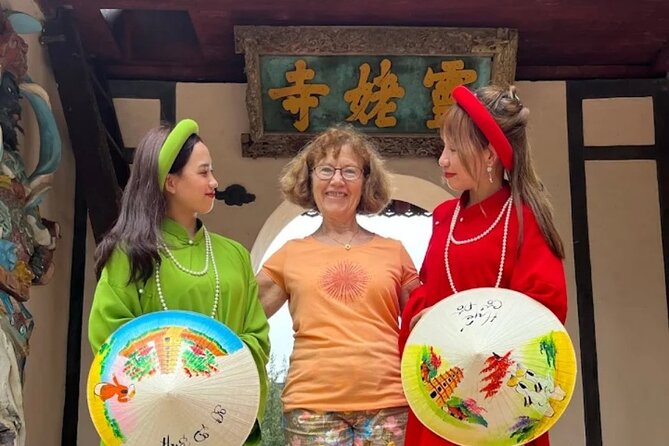
This tour is built for momentum. You’ll spend your time seeing Vietnam’s main headlines—big cities, river life, wartime landmarks, a mountain mega-attraction, old-town Hoi An, and a full Halong Bay cruise—without needing to plan every connection yourself. For many people, that’s the whole point of a package: less time on schedules, more time outside eating and looking around.
The trade-off is that you’ll move around more than on a slower “one region per week” trip. You’ll get hotel check-ins, then go again. Some days run as long outings, so it helps to travel light, keep your most-used stuff easy to grab, and accept that you’re trading spontaneity for coverage.
Value-wise, the inclusion of hotel stays in three cities (3-star), entrance fees, and a meaningful chunk of meals is what makes the price work. You’re paying for transportation between regions and guided visits, not just sightseeing.
You can also read our reviews of more tours and experiences in Hanoi.


Ho Chi Minh City arrival: orientation first, history later
Your trip starts with a private car pickup from the airport to Ho Chi Minh City, then hotel check-in and a relaxed window to reset after flying. That matters. After a long-haul day, having time to unwind and do a simple walk in the city helps you enjoy the more intense days that follow.
From there, your schedule starts leaning historical. On the next day (and especially Day 3), you’re not just seeing landmarks—you’re also getting context: independence-era architecture in the city center, colonial-era buildings, and wartime narratives. If you want to enjoy that portion more, I’d treat Day 1 as your buffer day. Sleep, eat well, and don’t overpack your first evening with extra plans.
One practical tip: on arrival days, I keep things simple—cool shower, local dinner, and an early night. Then your group day trips feel like a choice, not a punishment.
Mekong Delta by boat and canals: food, villages, and slow rhythms
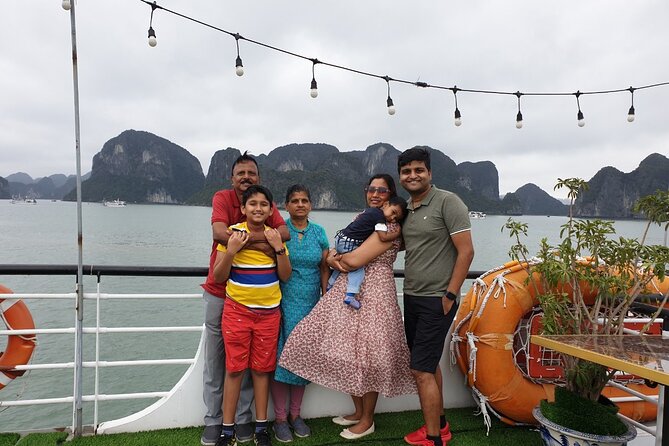
The Mekong Delta day is where the tour starts feeling more personal. You leave early for Cai Be by car/van, then arrive to ride a boat on the Tien River. The focus here isn’t only the scenery; it’s how people lived (and still live) in waterways and seasonal rhythms.
You’ll explore small villages and see an ancient house linked to local culture. You’ll also meet a family business making coconut fudge and crispy rice popcorn, plus you’ll sample fresh fruit while listening to southern folk music. That combo—hands-on food + cultural performance + walking through village lanes—is a good balance. It’s not just a photo stop; it’s a day that tries to explain what daily life is like.
Then you get to paddle through small canals and enjoy slower movement by water. Even if you’ve never done anything like this before, the activities are the kind that make the Mekong stand out in memory. It’s also a great contrast after the big-city energy you’ll have already touched in Ho Chi Minh City.
Wear something breathable and be ready for water and humidity. If you’re sensitive to sun, bring light protection because you’ll be outside for a while.
Cu Chi Tunnels and the war sites: powerful, practical, and intense
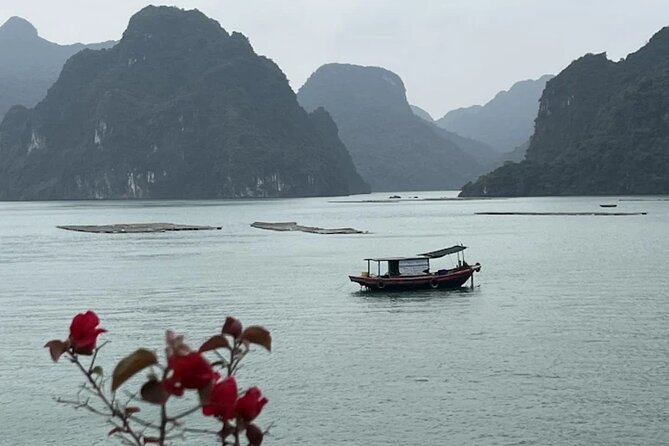
Day 3 is the reality check portion of the itinerary. You start with Independence Palace, then continue through French Colonial-era landmarks like Notre Dame Cathedral and the Central Post Office, before heading to the War Remnants Museum. It’s a lot of concentrated context in one go, but that’s also why it’s efficient: you see how the city’s architecture connects to major historical moments.
After lunch at a local restaurant, you go on to Cu Chi Tunnels. The program includes an introduction and an introductory video about how the tunnels were constructed and how people survived in wartime conditions. You’ll also have tea and cassava, described as guerilla food during the conflict.
This is one of those days where I’d manage expectations. You’re going to walk, learn, and process. If you tend to find museums emotionally heavy, plan your pace: take short breaks, drink water, and don’t try to “power through” the hardest sections without pause.
Practical note: the tunnels and related sites can feel different in temperature and air. Comfortable footwear matters. You’ll be glad you didn’t choose shoes that are annoying after a long day.
Da Nang base: a calmer stop before the big attraction day
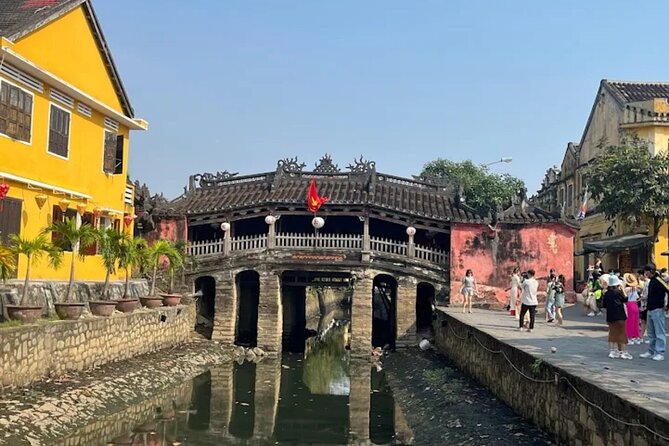
Once the trip shifts toward central Vietnam, you fly (or transfer by air as listed) to Da Nang. Day 4 includes pickup from the airport by private car and hotel check-in, plus free time to relax and explore Da Nang at your own pace.
That free time is not filler. It gives you room to adjust to a new climate and a new rhythm. After Ho Chi Minh City and the Mekong, you may appreciate a day where your only job is to eat good food, take a stroll, and recharge.
If you’re the type who likes to map out your evening, I’d use this day to do it. Look around for simple dining options near your hotel, then keep tomorrow’s schedule in mind because Ba Na Hills is a major time block with multiple attractions.



Ba Na Hills: Golden Bridge, cable cars, gardens, and the French Village
Ba Na Hills is a full day with lots packed in, so think of it as one “main experience day” rather than a collection of quick stops. You take a cable car up (listed as the modern cable car in Southeast Asia), then ride the Climbing Train to reach the top of the mountain. From there, you explore spots like Le Jardin D’Amour (nine gardens), Debay Wine Cellar (old wineries), and Ling Ung Pagoda.
The highlights keep coming: you’ll also visit the French Village with street music and art statues, then enjoy a buffet lunch. Later, there’s Fantasy Park with walking in Fairy Forest. The plan includes a return by cable car at around mid-afternoon.
And yes, the Golden Bridge is the headline: it’s described as built more than 1,400 meters above sea level. Even if you’ve seen photos before, the altitude and scale often feel different in person. It’s the kind of day where you’ll want to bring patience for crowds and a willingness to follow the flow.
One consideration: this day is attraction-dense. If you’re sensitive to standing in lines or walking long distances, pace yourself. Bring water and wear shoes you can move in all day.
Cam Thanh basket boat and Hoi An on foot: Thu Bon River charm
Day 6 blends activity with old-town wandering, and it works well. You start with Cam Thanh, where you take a bamboo basket boat along the coconut water forest. You’ll learn paddling techniques, join in a basket boat race, and explore calm coconut-lined waterways.
The experience also includes playful, hands-on moments like making tools from coconut leaves and doing activities related to fishing nets, crabbing, and catching coconut mussels. It’s not just “watch and leave.” You’ll actually be part of the day’s rhythm.
Then you head to Hoi An and get time to walk the ancient town’s narrow streets by the Thu Bon River. You’ll stop by the Japanese Covered Bridge and visit the Fujian Assembly Hall, which is described as an original worship place of people from Fujian.
Hoi An is best when you slow down a bit. Even though your schedule is structured, use the walking time to browse and observe. Look at the street layout, the shopfronts, and the way the river influences the town’s feel.
Bring cash for small purchases and keep an eye on your sun protection. You’ll be outside a lot on this day too.
Day 7 free time: how to use the gaps without wasting them
Day 7 is lighter in structure, with an airport transfer and flight listed, then free time in Da Nang. Because the day is described as free after the flight, you should treat it as a flexible buffer to do one or two things you didn’t fit earlier.
I’d use this day to do what packages usually skip: rest your feet, eat something you’re craving, and maybe pick up a small souvenir that reminds you of the region you just visited. If you’ve been feeling overloaded, use it as a reset day rather than trying to add another guided tour.
Also, confirm your routing and final city timing as soon as you receive your confirmation. The itinerary text here points to free time in Da Nang, while the Halong Bay day clearly starts with hotel pickup in Hanoi. That mismatch is exactly the kind of thing you’ll want to clarify early with the operator so there’s no surprise later.
Halong Bay from Hanoi: Sung Sot Cave, Luon kayaking, and TiTop beach time
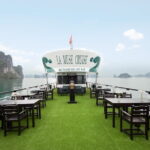
The Halong Bay day is the big finale energy. You’re picked up from your Hanoi hotel in the Old Quarter area, then transferred to Tuan Chau Harbor. After boarding the boat, you enjoy a menu lunch aboard with multiple unique dishes. While you eat, you’ll look out at thousands of limestone islets described with names like Fighting Chicken and Incense Burner islets.
Next comes Sung Sot Cave, described as the most beautiful cave with stalagmites and stalactites. It’s a classic stop for good reason: it gives you a dramatic break from the open-water views, and it’s one of those places where your photos suddenly make sense because you can’t capture the scale easily.
After that, you’ll do kayaking or a bamboo boat through Luon Cave to discover the lagoon. This is one of the best types of activities here because it changes you from “observer” to “participant.” Then you visit TiTop Island with beach time and the option to trek up to the top for views.
Timing is structured, but the day still feels like a full experience rather than a quick boat ride. Wear layers if you’re prone to getting cold on boats, and keep a towel or quick-dry solution if you plan to swim at TiTop.
Price and value: what you’re paying for at $472
At $472 per person, the value comes from bundling several expensive-feeling elements together: multiple hotel nights in key cities, entrance fees for guided stops, several meals, and the included multi-region transportation that would cost you time and often extra money if you tried to piece it together yourself.
Here’s what you should double-check when deciding if it fits your budget:
- What’s included: 3-star hotels in Hanoi, Da Nang, and Ho Chi Minh City; entrance fees; 5 breakfasts; 5 lunches; dinner; pickup offered and mobile ticket.
- What’s not included: tips and personal expenses.
If you typically pay for entrance tickets, get taxis between sights, and end up buying extra meals while waiting for transport, a package like this can feel like it tightens your spending. The main “cost” you’ll pay is your attention and energy—there’s a lot of moving and a lot of guided time.
Who should book this Vietnam 8-day loop
This tour is a strong match if you want:
- A first-timer-friendly route that covers major Vietnam highlights without intense planning.
- A balanced mix of big sights (city landmarks and museums) and nature/water days (Mekong canals and Halong Bay).
- A small group experience (max 20) where transfers and timing still feel organized.
It may be less ideal if you want slow travel, long downtime, or if you dislike dense itineraries with early starts and full days. In that case, you might feel rushed between cities.
Also, if you value support, the agency’s staff support stands out in past experiences—people like Ms. Minh Nhat have been noted for helping solo travelers, and Mr. Johnny is mentioned for quick, professional communication for clients planning tours and transfers around Hanoi and beyond.
Should you book it? My practical take
If you want Vietnam highlights in one plan, this package makes sense. The inclusion of hotels in Hanoi/Da Nang/Ho Chi Minh City, entrance fees, multiple meals, and guided regional days like Mekong Delta and Halong Bay reduces the biggest headache: figuring out the next step every day.
Before you book, do two things:
1) Ask the operator to confirm the exact Day 7 routing and where you’ll be positioned for the Day 8 Hanoi Old Quarter pickup.
2) If you’re sensitive to packed schedules, plan for rest and water breaks. This route gives you a lot, but you’ll need to keep your energy up.
FAQ
How long is the Vietnam package tour?
It runs for about 8 days, moving across multiple regions including Hanoi, Ho Chi Minh City, and central Vietnam.
What’s the price per person?
The price is $472.00 per person.
What’s included in the tour package?
Included are 3-star hotel stays in Ha Noi, Da Nang, and Ho Chi Minh City, entrance fees, 5 breakfasts, 5 lunches, and dinner.
Are pick-ups and tickets included?
Yes. Pickup is offered, and you’ll receive a mobile ticket.
What destinations are covered during the 8 days?
You’ll visit Ho Chi Minh City and major nearby sights, the Mekong Delta, Cu Chi Tunnels, Da Nang, Ba Na Hills, Cam Thanh, Hoi An, and finish with Halong Bay from Hanoi.
How big is the group?
The tour has a maximum of 20 travelers.
What’s not included?
Tips and personal expenses are not included.
You Might Also Enjoy



More Tours in Hanoi
- Ninh Binh Full-Day Tour from Hanoi to Hoa Lu, Tam Coc & Mua Cave Via Boat & Bike
★ 5.0 · 4,384 reviews