REVIEW · MASSAGE & RELAXATION
20-Day Vietnam Itinerary | Discovery and Beach Relaxation
Book on Viator →Operated by Authentic Adventures · Bookable on Viator
Twenty days, and Vietnam feels well paced. You’ll move between Hanoi, Hue, Ho Chi Minh City, and more, with a night on a Halong Bay boat and real beach time in Nha Trang.
I particularly like that hotel pickup reduces the usual stress of “where do we meet?” I also like the small group size (up to 10), which usually means smoother timing and a guide who can actually notice when someone’s lost their energy.
One consideration: this isn’t a laid-back cruise. You’ll do real walking in Sapa—up to about 12 km total over roughly 6 hours—so plan for some hiking legs, not just photo stops.
In This Review
- Key things to know before you go
- How this 20-day Vietnam route keeps you from feeling rushed
- Hanoi on arrival day: a gentle start with time to get your bearings
- Hoa Lu and Trang An: limestone scenery with a calmer pace
- Bich Dong by bike and cave pagodas: the scenic payoff in the afternoon
- Sapa trekking and Cat Cat: mountains, villages, and a real workout
- Halong Bay: the overnight boat night that changes the whole mood
- Hue and the Imperial City: history in manageable chunks
- Hoi An on foot: old streets plus real time to shop and relax
- Nha Trang beach breaks: you need this part
- Ho Chi Minh City (Saigon): big sights plus a reality check
- Mekong Delta early mornings: Cai Rang floating market and canal rides
- Back to Ho Chi Minh City: an easy finish before your flight
- Value check: is $1,699 a fair deal for what you get?
- What to pack and how to keep the days from stacking up
- Should you book this Vietnam tour?
- FAQ
- What cities does this tour cover?
- Do I stay overnight on a boat in Halong Bay?
- Is hotel pickup included?
- Are flights included?
- How many travelers are in the group?
- What meals are included?
- What activities are included in the Sapa section?
- What if Halong Bay can’t be done due to weather?
Key things to know before you go

- Halong Bay overnight + sunrise feel: you stay on the boat and experience the early light on the water
- Trang An rowing caves: a guided boat trip through cave complexes with multiple stops
- Sapa trekking with cultural villages: Cat Cat, Muong Hoa valley, and Ta Van village areas
- Built-in recovery time: multiple Nha Trang leisure blocks for beach downtime
- A lot is already paid for: private room lodging, transport (air-conditioned), guide, entry tickets, and many meals
- Small group pacing: max 10 travelers plus included transfers helps keep the days from spilling over
How this 20-day Vietnam route keeps you from feeling rushed
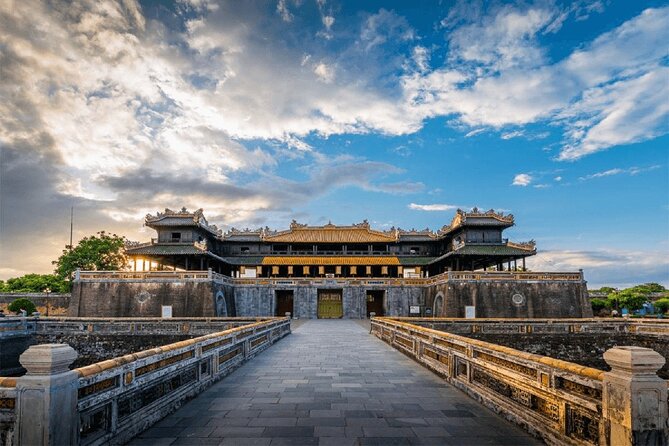
This tour is built like a good mixtape: big-ticket sights, then breathing room. You start in Hanoi, hit the northern highlights fast (caves and mountains), spend a night floating in Halong Bay, then slide into the central coast for Hue and Hoi An, followed by a chunk of beach time in Nha Trang. After that, you finish strong with Saigon’s major stops and two Mekong Delta mornings.
What makes it work for most people is the balance of structured days and “do your own thing” time. Some days are tightly planned; other days are mostly free time in Hanoi, Hoi An, Nha Trang, and Ho Chi Minh City. That mix is what turns “a big trip” into something that still feels like a vacation.
And because you’re traveling across regions, the included flights matter. You’re not spending every day stuck in buses, and that saves energy for the days that actually require it—like the Sapa hikes and early starts.
You can also read our reviews of more tours and experiences in Hanoi.


Hanoi on arrival day: a gentle start with time to get your bearings
On your first day, you land in Hanoi and get transferred to your hotel. The rest of the day is yours, which is a smart move after travel—no tight schedule immediately after arrival.
If you want to make the most of that free time, I’d treat it like a warm-up lap. Walk the nearby streets, grab an easy meal, and use the evening to orient yourself: where the main roads are, where you can exchange money, and what’s closest for breakfast. Hanoi has plenty of energy, but you’ll enjoy it more if you don’t spend the first night trying to figure out logistics.
Practical note: pickup is included, and the tour starts daily around 7:00 am (so you’ll want an early-night rhythm soon).
Hoa Lu and Trang An: limestone scenery with a calmer pace
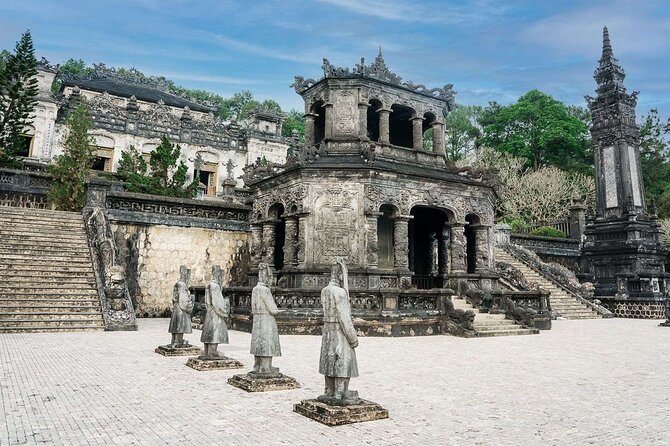
The second day turns toward Hoa Lu Ancient Capital and Trang An Grottoes, two places that fit together well. Hoa Lu is historical and straightforward, giving you context for Vietnam’s early dynastic story. Then Trang An gives you the scenery—limestone mountains, caves, and a rowing-boat experience.
Trang An’s cave complex visit is a highlight: you’ll ride a boat for about two hours, passing through multiple caves (like Sang, Tói, and others mentioned in the route). It’s the kind of sightseeing where motion does half the work. You don’t have to “keep up” like a typical walking tour; you mostly sit back, watch, and absorb the natural shapes.
One small thing to plan for: this is water-adjacent sightseeing. Even when you’re not soaking, you’ll likely feel cooler drafts in cave areas and humidity outside. Light layers help.
Bich Dong by bike and cave pagodas: the scenic payoff in the afternoon
Later in the day you head to Bich Dong Pagoda, including a cycling segment to the area. Bich Dong is known for caves and shrines set into the limestone mountains, so you get that classic northern-Vietnam “rock and temple” feel without needing a full day of hiking.
What I like about finishing with this is the pacing. You’ve already done boats and history earlier, then you shift to a more exploratory, scenic afternoon. It’s a good change of pace before the next big travel day.
If you’re riding a bicycle portion, wear shoes that you trust on uneven surfaces. Vietnam does a good job with tourist infrastructure, but ground can still be unpredictable.
Sapa trekking and Cat Cat: mountains, villages, and a real workout
Sapa is where this tour becomes physical—in a good way, if you’re ready for it. After getting transferred up, you’ll spend time exploring Sapa and then head toward Cat Cat village, home to the Black H’mong community.
Cat Cat gives you a guided trek with cultural context. Then the next day ramps up with Muong Hoa valley and the route that includes Lao Chai village and Ta Van village. The trek totals about 12 km and lasts around 6 hours, with picnic lunch included.
I love that this isn’t only “scenery walking.” You get rice terraces, mountain views (in real weather, not in a brochure), and stops connected to the local villages along the way. It’s the kind of day that makes Vietnam feel lived-in.
But be honest with yourself. If you don’t like sustained walking or steep-ish paths, you’ll feel it here. Bring good traction, drink water when you can, and accept that the best photos often come after you stop pushing your pace.



Halong Bay: the overnight boat night that changes the whole mood
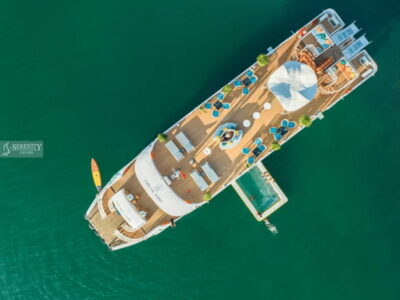
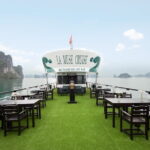
Halong Bay on a day trip can be crowded. On an overnight boat, it feels different—slower and more natural. You’ll cruise through thousands of islands and islets, enjoy lunch onboard, and have time to swim or sunbathe depending on conditions.
A standout is the sunrise experience on the water. Waking up to early light over the bay is one of those travel moments that doesn’t need fancy wording. It’s simply gorgeous, and the boat setting helps the sunrise land with less effort from you.
Your Halong Bay days are structured across two full touring blocks plus a third day that wraps back to Hanoi. You’ll also visit a pearl farm village during the cruise segment. That adds a local-industry angle beyond just the view.
Practical tip: bring a light jacket. Even in warmer months, you’ll likely feel morning chill on open water. And because weather matters for Halong Bay, plan to stay flexible—this tour notes that poor weather can change the experience.
Hue and the Imperial City: history in manageable chunks
After Halong Bay, you fly into Hue and settle in for the night. Hue is a great counterbalance to the northern mountain days: less trekking, more structured sightseeing, and plenty of time to wander.
One day starts with a boat trip to Thien Mu Pagoda, then you move into the Hue Imperial City (The Citadel) and areas linked to the Nguyen dynasty era. You also visit the Hue Royal Palace / museums and antiques exhibits portion of the imperial complex.
The day rounds out with Dong Ba Market, where lunch is included at a nearby restaurant, and then the Tomb of Khai Dinh plus another royal tomb stop (the route mentions King Minh Mang and King Khai Dinh). This combination is useful: you don’t only see buildings—you see how people shopped, ate, and built monuments tied to power and belief.
Hue can be hot. If you’re sensitive to sun, use shade whenever possible and aim for your photo sessions in the morning. You’ll enjoy the walking more.
Hoi An on foot: old streets plus real time to shop and relax
Then you move to the central coast and land in Hoi An. One afternoon includes a guided walking tour through classic highlights: the Colorful Local Market area, Tan Ky House, Fu Jian Assembly Hall, and the 400-year-old Japanese Covered Bridge.
This is one of the better parts of the tour because you get both culture and freedom. The next two days give you long blocks of leisure time in Hoi An. That means you can shop slowly, take side streets, or just sit down with a drink when your feet request retirement.
I’d use at least one leisure block for day-to-night timing: do your main wandering earlier, then come back when the light changes and the streets feel less like a daytime checklist.
Nha Trang beach breaks: you need this part
After Hoi An, you fly to Nha Trang, and the schedule gives you real downtime. You get multiple leisure days—each with about 6 hours for relaxing at the beach—and then a final morning before transfer to the airport.
This matters. After Sapa trekking and the long Halong Bay days, your body needs a lighter rhythm. Nha Trang is that reset button. Use it to recover, not just to collect more photos.
If you’re prone to sunburn, pack accordingly. Beach time in Vietnam can go from fine to painful quickly, especially when you’re tired.
Ho Chi Minh City (Saigon): big sights plus a reality check
The tour shifts to Ho Chi Minh City with a day full of major stops. You visit Saigon Notre Dame Cathedral and the Saigon Central Post Office, then head to War Remnants Museum—a serious museum visit that challenges what you think you know about the Vietnam War.
The tour doesn’t treat this as a quick “photo-and-leave” moment; it includes time for each site. That makes the day more meaningful and less like a rush-through.
Then you go on to Cu Chi Tunnels in the afternoon. It’s a contrast day: historic infrastructure outside the city, then back to the urban world after. If you want to keep the day from feeling heavy, I’d balance it with your own free time afterward—grab dinner, keep conversation light, and let the facts settle before you try to process everything at once.
Mekong Delta early mornings: Cai Rang floating market and canal rides
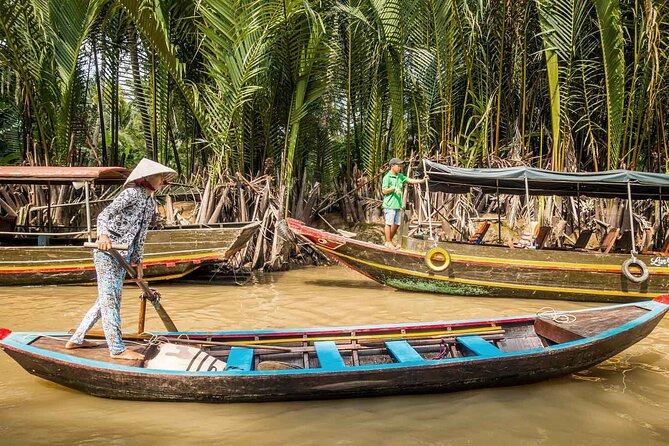
Next come two days in the Mekong Delta area. You start with My Tho, including a boat journey along the Mekong waterways, and then Ben Tre, known for coconut groves, narrow canals, and workshops.
Then the next day includes the Cai Rang Floating Market at around 6:30 am. Early is the key word here. The floating market is a burst of motion and activity, and morning timing is what gives it energy.
After that, you head back toward Ho Chi Minh City. This section feels like a travel “change of gear.” Instead of temples and imperial stone, you get rivers, trade, and small-scale life tied to water routes.
If you get motion sickness easily, you might want to plan for it. Boat rides on canals can feel choppier than you expect.
Back to Ho Chi Minh City: an easy finish before your flight
You end with additional free time in Ho Chi Minh City, including a morning and then one last day until you’re transferred to the airport for departure.
I like these final days because they’re a catch-all. You can correct small things you didn’t get to earlier: another museum, a final souvenir run, or just walking an area you enjoyed more than you expected.
Try not to schedule anything stressful on your last full day. You’ll appreciate the calm.
Value check: is $1,699 a fair deal for what you get?
At $1,699 per person, the price might look “high” at first glance—until you tally what’s included. This tour covers domestic flights, hotel accommodations in private rooms, an air-conditioned vehicle, a guide, admission and sightseeing tickets, and many meals (breakfasts nearly every day, plus 11 lunches and 2 dinners).
The real value is in the logistics. Multi-city travel in Vietnam can become a time-sink if you try to build it yourself. Internal flights alone reduce travel fatigue and help keep the schedule workable. Then you add the Halong Bay overnight boat (including the sunrise experience) and the guided cave and trekking components.
In other words, you’re paying for planning, transport, and access. If you’re someone who hates negotiating buses, ticket queues, and scheduling—this is the kind of package that saves energy.
What to pack and how to keep the days from stacking up
Because you’re moving through different environments—city streets, caves, mountain trails, beaches, and river boats—you’ll want versatile gear.
- Shoes: one pair you can walk in for Sapa trekking and city days
- Light layers: mornings on boats and changing weather can feel cooler
- Sun protection: Hue and Nha Trang can be bright and intense
- Small day bag: for water, snacks, and things you’ll want during transfers
Also, keep your phone charged and your patience handy. Even with good planning, Vietnam travel involves steady motion and sometimes small timing adjustments.
Should you book this Vietnam tour?
I’d book it if you want a “best of Vietnam” path with big highlights that are genuinely different—Halong Bay on an overnight boat, Sapa trekking with village stops, imperial Hue, the walking charm of Hoi An, beach time in Nha Trang, and then Saigon plus Mekong Delta early mornings.
I wouldn’t book it if you want mostly zero-walking days. The Sapa trekking portion and long travel days between regions mean you’ll be on the go.
If you do book, I’d pick it for one reason: you get the key sights and enough free time in the major towns to enjoy the country instead of only checking boxes. That balance is rare in a 20-day plan.
FAQ
What cities does this tour cover?
You’ll visit Hanoi, Sapa, Hue, Hoi An, Nha Trang, Ho Chi Minh City, and you’ll also tour parts of the Mekong Delta (including My Tho, Ben Tre, and Cai Rang floating market).
Do I stay overnight on a boat in Halong Bay?
Yes. You stay overnight on a boat in Halong Bay and also experience the sunrise.
Is hotel pickup included?
Yes. Hotel pickup is included for the tour.
Are flights included?
Yes. Domestic flights are included, including connections within Vietnam.
How many travelers are in the group?
The tour is listed as having a maximum of 10 travelers.
What meals are included?
Breakfast is included for 19 days. Lunch is included for 11 days, and dinner is included for 2 days.
What activities are included in the Sapa section?
You’ll visit Cat Cat village and do trekking in areas including Muong Hoa valley, Lao Chai village, and Ta Van village. The trekking distance is listed as about 12 km over roughly 6 hours.
What if Halong Bay can’t be done due to weather?
The experience requires good weather. If it’s canceled due to poor weather, you’ll be offered a different date or a full refund.