REVIEW · SAPA TREKKING TOURS
2-Day Sapa Guided Tour Slipping in Homestay From Hanoi
Book on Viator →Operated by Vietnam Travel Top · Bookable on Viator
Sapa feels close enough to touch. This 2-day trip strings together motorbike viewpoints, foot treks through hill villages, and an overnight homestay where you eat with locals and sleep close to the rice terraces. It’s a fast way to experience Northern Vietnam’s misty mountain life without spending hours planning.
What I like most is the hands-on village time. You’ll visit H’Mong and Giay communities like Sin Chai, Y Linh Ho, Ta Van, and Lao Chai, then sleep in Lao Chai village with dinner and breakfast included.
One thing to plan for: comfort is not the main product. You may deal with muddy trekking, basic homestay conditions (beds can feel firm, water pressure can be low, and WiFi can be spotty), and a day built around motorbike rides plus walking.
In This Review
- Key things to know before you go
- How this Sapa tour hits the sweet spot
- Hanoi pickup and the ride to Sapa: expect early starts
- Day 1: from misty Sapa to O Quy Ho and waterfalls
- Silver Waterfall: the fast hit of a 500m drop
- Love Waterfall at Tram Ton (O Quy Ho Pass)
- Sin Chai and the shift toward village life
- Lao Chai homestay: meals, family time, and basic trade-offs
- Day 2: village trekking around Ta Van, Giang Ta Chai, and Muong Hoa Valley
- Ta Van village: Giay community views
- Giang Ta Chai: Dzao community stop
- Muong Hoa Valley viewpoint options (weather permitting)
- Returning to Sapa town and the market window
- Pace, shoes, and what weather can do to your comfort
- Price and value: what $99 includes (and why it’s not just a cheap tour)
- Who this tour suits best (and who should look elsewhere)
- Quick FAQ
- FAQ
- What’s included in the price?
- Where does the tour pick up in Hanoi?
- How does the transfer from Hanoi work?
- Is there WiFi during the trip?
- What villages and stops will I see?
- Can I bring luggage and do I need to carry it on the trek?
- What’s the cancellation rule if weather changes?
- Should you book this 2-day Sapa homestay tour from Hanoi?
Key things to know before you go
- Small group size (up to 15) keeps the experience personal and easier to manage on busy roads
- Motorbike + foot mix helps you see more passes and waterfalls without turning it into a marathon
- Homestay in Lao Chai means you get local meals and a real village overnight, not just a hotel stop
- O Quy Ho Pass loop ties together the Silver Waterfall and Love Waterfall viewpoints
- Weather matters: if it’s misty or rainy, trails can be slick but the views can also be dramatic
- English-speaking guide (names you may see include Vu, Mu, Su, Cat, May, Hana, and Shi) helps you understand what you’re walking through
How this Sapa tour hits the sweet spot
This tour is built for the kind of traveler who wants more than a viewpoint and a souvenir stop. The schedule mixes three ingredients that work really well in Sapa: moving over the high mountain roads, walking through village paths, and ending the day in a homestay.
You also get a structure that protects your time. Round-trip transfers handle the hardest part—getting from Hanoi to the Sapa area—while the guide keeps the day moving through villages and stops like O Quy Ho Pass and waterfalls.
The small-group size also matters. With a maximum of 15 people, it’s easier to stick together on narrow paths and keep the pace reasonable for different walking abilities.
You can also read our reviews of more guided tours in Hanoi


Hanoi pickup and the ride to Sapa: expect early starts
Pick-up happens in Hanoi’s Old Quarter area (around 30 P. Lý Thái Tổ / Hoàn Kiếm). Your exact pickup time depends on the option you select, and it can fall between early morning start windows and later timing windows.
Once you’re on the highway route toward Sapa, you’ll use the Noi Bai – Lao Cai corridor and have two rest stops along the way. This makes the journey less stressful than doing everything yourself and helps you arrive ready for lunch and clothes-layers decisions.
For transport, the overall experience includes round-trip transfers from Hanoi by bus, train, or private limousine car, depending on what you choose. The itinerary timing described here corresponds to the transferring option using a sleeper morning bus, but the big idea stays the same: you’re not left to figure out logistics at either end.
Two practical perks included in the price: modern bus service in Sapa with experienced drivers for relevant departures, and WiFi on board (helpful for maps and messaging, even if it’s not meant for video streaming).
Day 1: from misty Sapa to O Quy Ho and waterfalls
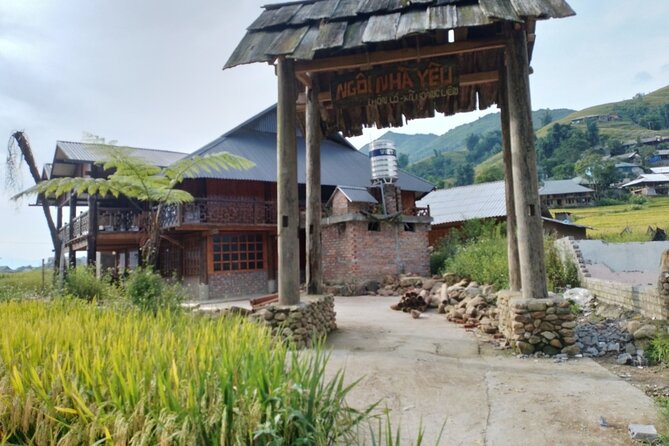
Day 1 starts gently—arrival in Sapa, lunch, and a chance to sort your luggage and clothing before you move. When you arrive, the operator picks you up and takes you to a local restaurant nearby for lunch. That lunch timing is useful because Sapa’s weather can shift quickly and you’ll want to adjust before heading onto the mountain roads.
Then comes the main show: the O Quy Ho Mountain Pass section, done with help from your guide and motorbike driver. You’ll tie your luggage behind the motorbike, then travel along scenic routes toward Lai Châu province.
Silver Waterfall: the fast hit of a 500m drop
Your first major stop is Silver Waterfall, described as a 500m-high waterfall. The time there is about 30 minutes, so you get a strong look without wasting half a day. If it’s foggy, you often see less detail, but you still get the sound, the mist, and that sense of scale that makes these highland waterfalls worth it.
Love Waterfall at Tram Ton (O Quy Ho Pass)
After Silver Waterfall, you head toward Tram Ton / O Quy Ho Pass. This is framed as one of the four most majestic Great Peaks in Northern Vietnam, and the route itself is a big part of the payoff.
At O Quy Ho, you visit Love Waterfall for about 45 minutes. That extra time (compared with Silver Waterfall) gives you room to slow down, take photos, and enjoy the angle of the falls from the paths you can reach.
A good reality check: you’re traveling between stops on winding roads. That means Day 1 is sightseeing plus movement, not a single long hike. If you like variety—waterfalls, roads, quick village glimpses—this format tends to feel just right.
You can also read our reviews of more tours and experiences in Hanoi
- Doris Cruise 5 star cruise 2 days visiting Halong Bay Lan Ha Bay private balcony
★ 5.0 · 2,338 reviews





Sin Chai and the shift toward village life
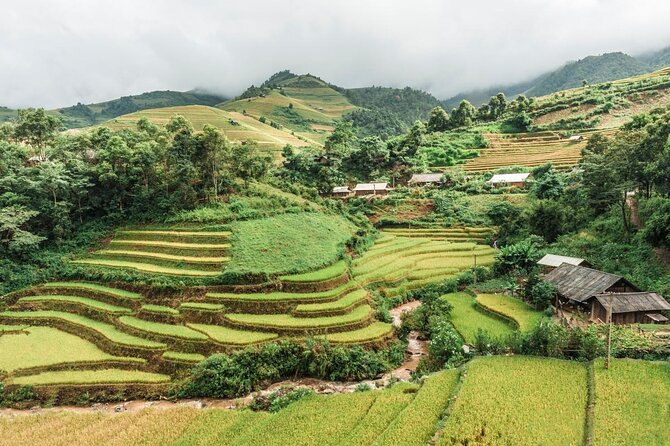
After the pass and waterfalls, the plan turns toward villages. You’ll move to Sin Chai and then continue to Y Linh Ho, where you see traditional H’Mong houses and terraced fields.
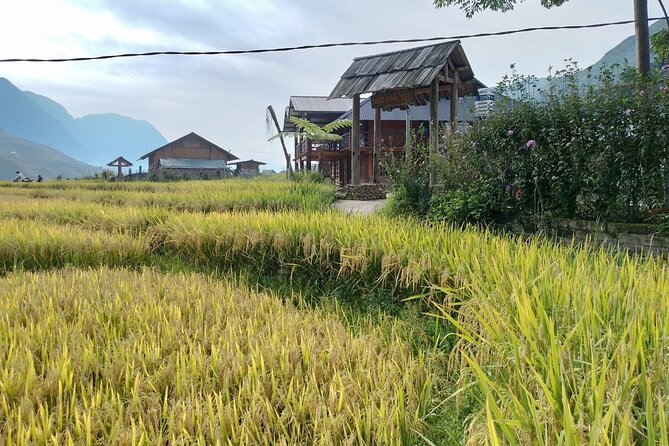
By the time you reach Lao Chai, the day shifts from views to people. You check in, then have dinner at the homestay. This is one of the best parts of the whole experience because it slows you down after a busier day of driving and stops.
Lao Chai homestay: meals, family time, and basic trade-offs
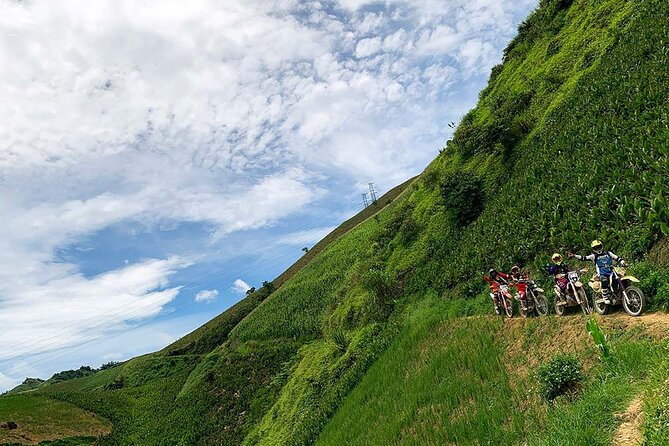
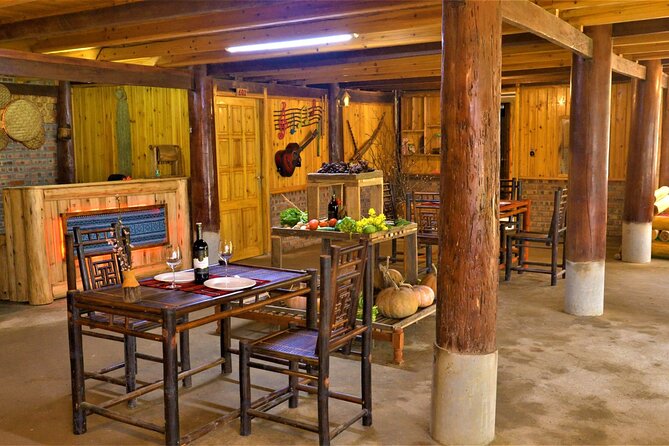
Overnight is in Lao Chai village. That simple line hides the value: you’re not just paying for a bed. You’re paying for a chance to experience daily mountain life in a way that feels practical, not staged.
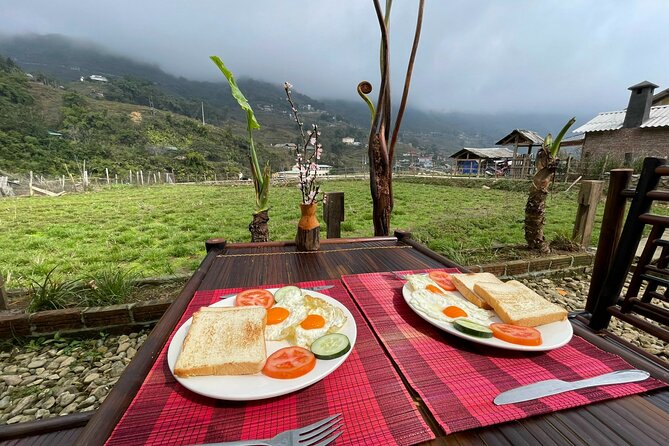
Dinner and breakfast are included. Many travelers appreciate that the food is prepared locally, and you’ll be eating in the same rhythm as the family and neighbors around you.
That said, this is still a homestay, not a resort. Based on common issues people note, you should be ready for:
- Firm beds and simple bedding
- Low water pressure in some stays
- Spotty WiFi (some people call it manageable)
My advice: treat the homestay as part of the story. Plan for modest comfort, and focus on the human part—sharing meals, asking questions, and watching how village life works around the seasons.
Also, your tour includes the idea that you can bring your luggage, and you can leave it on the bus. There’s even a car transfer to the village during trekking time. That’s a big deal because it reduces the weight you carry on the trails.
Day 2: village trekking around Ta Van, Giang Ta Chai, and Muong Hoa Valley
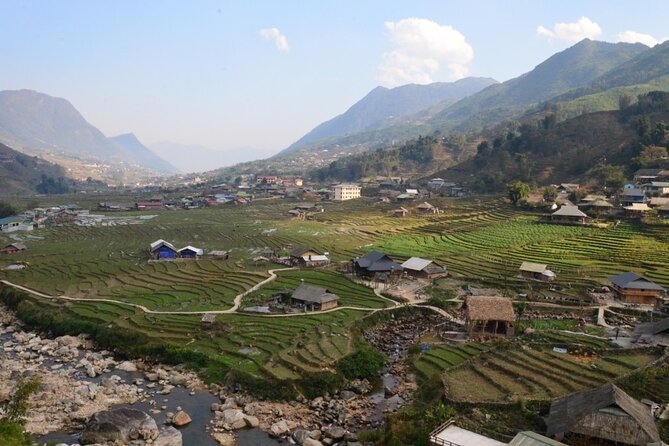
Day 2 starts with breakfast at the homestay, then checking out. After that, you head out again with your guide and motorbike driver to continue exploring the hill villages.
The walking time on Day 2 feels like a continuation of Day 1’s cultural shift: from pass and waterfalls to living landscapes shaped by farming and altitude.
Ta Van village: Giay community views
Next is Ta Van Village, where you’ll spend about an hour. This is often one of the favorite segments because it’s a smaller, village-paced stop compared with the bigger roadside sights. You’ll have time to look around and soak in the terraced and valley framing from different village angles.
Giang Ta Chai: Dzao community stop
Then you go to Giang Ta Chai Village for about an hour. The itinerary specifically describes communities like Dzao here, and that matters because it helps your guide connect what you’re seeing to a real ethnic and cultural context—not just a generic village photo stop.
Muong Hoa Valley viewpoint options (weather permitting)
After the village visits, you head toward the Muong Hoa Valley area. You’ll also stop at Sapa Ancient Stone, described as having traces of prehistoric people. Even if you only have a brief look, it adds depth: Sapa isn’t just a scenic circuit. It has layers of human presence.
From there, you visit Su Pan (H’Mong), then an elevated Hang Da village at about 1,200–1,500m above sea level. The plan even includes a weather condition: if it’s clear, you’ll get a panoramic view of Muong Hoa Valley below.
There’s also time to stop for photos and coffee. In mountain towns, coffee breaks often feel like a tiny reset button—warm drink, quick breath, and a chance to absorb the scale.
Returning to Sapa town and the market window
The final stretch is back to Sapa town for lunch at a local restaurant, plus free time to visit the Sapa market. You then get on the bus back to Hanoi around 15:00 and arrive around 21:00.
That timing is practical. You’ll still feel like you’re on a trip day, but you don’t lose your entire evening to the return ride.
Pace, shoes, and what weather can do to your comfort
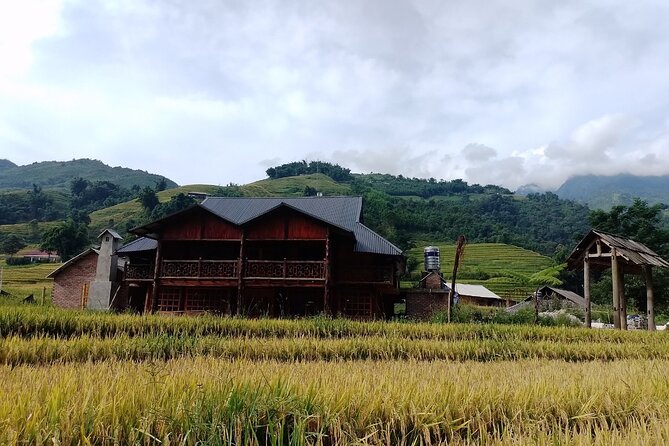
This tour is structured, but it’s still a mountain experience. Expect mist, cool air, and the possibility of rain—especially during trekking. One of the most useful pieces of advice is to come prepared for mud and slick ground.
Even with the best conditions, you’re walking village paths. And when it rains, those paths can turn into thick mud. Your shoes will decide whether the day feels fun or exhausting. Bring something with solid grip and wear it in before you trek.
Clothing matters too. Sapa can feel chilly even when you’re bundled up, and temperature changes around passes can be quick. You’ll want layers you can add or remove, plus something rain-friendly.
Also plan around movement. Day 1 has motorbike travel between viewpoints and stops; Day 2 keeps a similar rhythm of motorbike coordination plus walking segments. This isn’t a tour that lets you hide inside a car for the entire time.
Price and value: what $99 includes (and why it’s not just a cheap tour)
At $99 per person, this tour can be good value if you compare it to the cost of building the same package yourself. The price includes:
- Round-trip transfers from Hanoi (by bus/train/private limousine depending on option)
- English-speaking guide for the group
- Overnight homestay in Lao Chai
- Meals: dinner + breakfast, and lunch (2)
- Transportation in the Sapa area, including a driver and motorbike with gas
- Admission to attractions
- 2 bottles of water per person on the Hanoi–Sapa–Hanoi bus legs
- WiFi on board
What that means for you: you’re paying for coordination. The hardest part of Sapa travel—timing, transfers, getting from point to point over mountain roads—is handled, while your time stays focused on village walking and scenery.
Where you need to manage expectations is what’s not included. Drinks beyond the bottled water, travel insurance, and any personal expenses are on you. Also, there can be changes to the schedule based on weather and operating conditions. That’s normal in this region.
Who this tour suits best (and who should look elsewhere)
This tour is a strong match if you want:
- A guided cultural experience with real village stops
- A mix of waterfalls, passes, and trekking
- An overnight in a homestay instead of only hotels
- A small group environment that keeps things organized
It may be less ideal if you:
- Struggle with walking on uneven paths (especially in rain)
- Dislike basic overnight accommodations
- Want a fully comfortable, low-movement schedule
If you enjoy asking questions and learning why each place matters, the guide element is a big part of the payoff. Multiple guide names like Vu, Mu, Su, Cat, May, Hana, and Shi come up in experiences connected to this tour style, and English ability is consistently highlighted in the way people describe the trip.
Quick FAQ
FAQ
What’s included in the price?
The tour price includes homestay (overnight accommodation), meals (breakfast, dinner, and two lunches), round-trip transfers from Hanoi, an English-speaking guide, motorbike and driver with gas, admission to attractions, and two bottles of water per person for the Hanoi–Sapa–Hanoi bus legs, plus WiFi on board.
Where does the tour pick up in Hanoi?
Pickup is in the Old Quarter area, with a meeting point listed at 30 P. Lý Thái Tổ, Hoàn Kiếm. Your hotel name and address in Hoan Kiem district are required for pick-up arrangements.
How does the transfer from Hanoi work?
The experience offers round-trip transfers from Hanoi by bus, train, or private limousine car depending on the option you select. The described itinerary corresponds to the transferring option from Hanoi to Sapa and return by sleeper morning bus.
Is there WiFi during the trip?
WiFi is included on board for the transport parts of the journey.
What villages and stops will I see?
You’ll visit areas including Sin Chai, Y Linh Ho, Lao Chai, Ta Van, and Giang Ta Chai, plus stops tied to O Quy Ho Pass such as Silver Waterfall and Love Waterfall, and viewpoints connected to Muong Hoa Valley (weather permitting).
Can I bring luggage and do I need to carry it on the trek?
You can bring your luggage and leave it on the bus. The tour also mentions a car to transfer luggage to the village during trekking time.
What’s the cancellation rule if weather changes?
You can cancel up to 3 days in advance for a full refund, and the experience requires good weather. If it’s canceled due to poor weather, you’ll be offered a different date or a full refund.
Should you book this 2-day Sapa homestay tour from Hanoi?
If you want one trip that covers passes, waterfalls, and village life, I think it’s an excellent value for the money. The big wins are the homestay night in Lao Chai and the guided flow that gets you from Hanoi into the Sapa hills without logistics headaches.
Book it if you’re ready for basic comfort and you’re fine with walking on muddy paths if it rains. If you want cushy beds, zero walking, and guaranteed warm weather, you’ll probably prefer a different style of tour.
You Might Also Enjoy


More Guided Tours in Hanoi


More Tours in Hanoi
- Ninh Binh Full-Day Tour from Hanoi to Hoa Lu, Tam Coc & Mua Cave Via Boat & Bike
★ 5.0 · 4,384 reviews