REVIEW · HANOI
Ultimate Quang Phu Cau Photo Experience
Book on Viator →Operated by Vietnam in Focus - Day Tours · Bookable on Viator
Incense village photos start with the right timing. This 5-hour Quang Phu Cau photo experience in Hanoi pairs hotel pickup with a professional photographer who helps you frame workers, workshops, and incense color the way a camera actually likes. You’re not just walking around; you’re learning how to make a visual story from the process and the people.
I especially liked the early access rhythm: when you arrive around 10am, villagers have already set incense bundles out to dry, so your shots have motion and texture, not just finished products. One thing to keep in mind is that the most Instagram-style display areas can feel small and often crowded, so your best photos may come from workshops and side corners rather than one huge field.
In This Review
- Key things that make this photo tour worth your time
- Quang Phu Cau Incense Village: What You’re Really Photographing
- Hotel Pickup and a 5-Hour Flow From Hanoi
- Arrival Around 10am: The Drying Fields and Why Early Works
- Pro Photographer Tips: Shooting Workers (Not Just Products)
- Workshop Stops: Bamboo, Dye Dipping, and Incense Paste
- Lunch, Relationships, and Access to the Real Process
- The Photo Review and Selection Back in Hanoi
- Price and Value: Is $189 Reasonable for This Setup?
- Who Should Book This Photo Experience in Hanoi
- A Practical Tip List Before You Go
- Should You Book Ultimate Quang Phu Cau Photo Experience?
- FAQ
- Where is the Ultimate Quang Phu Cau Photo Experience located?
- How long is the tour?
- How much does it cost?
- Do you get hotel pickup?
- Is bottled water included?
- How many people are in the group?
- What kinds of photography activities are included?
- Is there a photo review at the end?
- Is confirmation provided at booking?
- What happens if weather is bad?
- Is free cancellation available?
Key things that make this photo tour worth your time
- Small group size (max 5) keeps the coaching practical, not generic
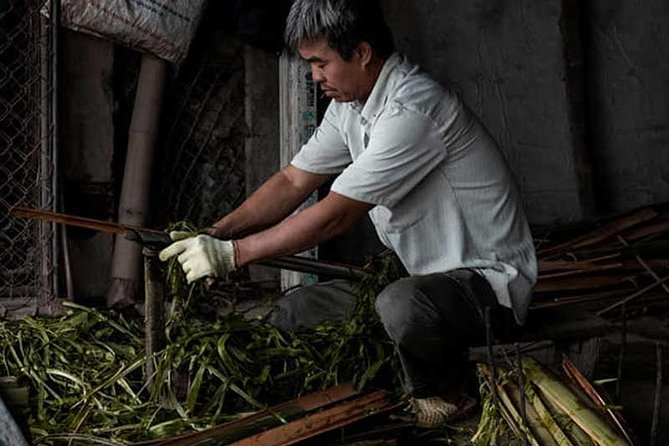
- Pro photo tips throughout as you shoot workers making incense
- Comfort-first logistics with hotel pickup, bottled water, and all fees/taxes included
- Hands-on workshop scenes like bamboo chopping, dye dipping, and incense paste work
- A guided photo review and selection on the way back so you leave with usable results
Quang Phu Cau Incense Village: What You’re Really Photographing
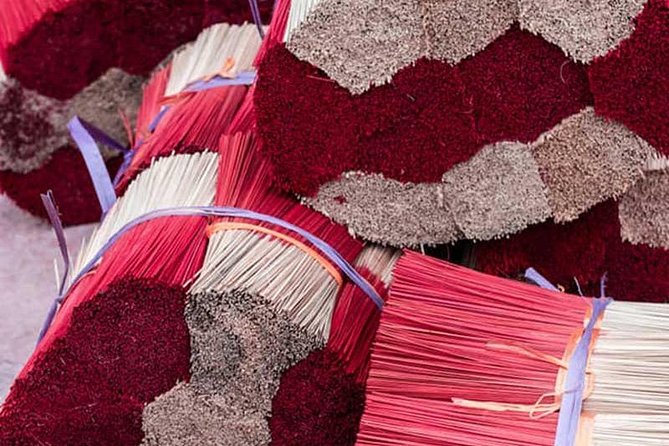
Quang Phu Cau is one of those places where the craft is the show. The incense-making work happens in layers: bamboo gets cut, sticks get dipped into dye, paste gets created, bundles get arranged, and then everything moves through drying and finishing stages. The visual payoff is strong because the process creates repeating shapes, bright red tones, and busy hands doing real work.
What makes this tour different from a basic sightseeing stop is that you’re coached to look beyond the “pretty” parts. You’re guided toward workers in action—hands, tools, expressions, and small actions that make a photo feel alive. That’s the key idea if you want images that look more documentary and less like background scenery.
Also, you get a plan for variety. The tour takes you through both the more open drying areas and the tighter workshop spaces where the best close-ups and process shots usually live.
You can also read our reviews of more tours and experiences in Hanoi.

Hotel Pickup and a 5-Hour Flow From Hanoi
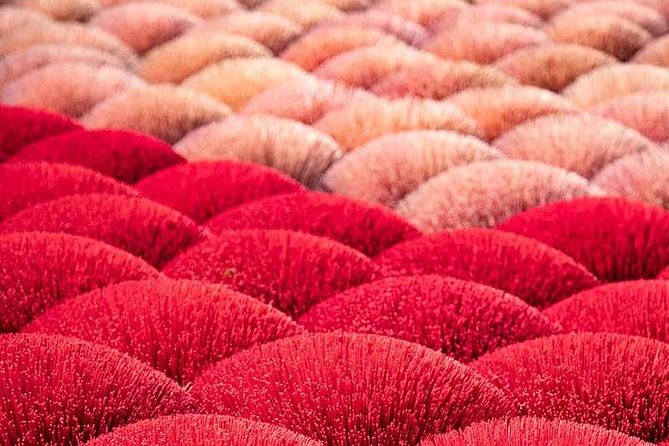
You start in Hanoi with pickup offered, then you head out by car to the incense village area. The schedule is built around being there in time to photograph the work while it’s underway, not after it’s wrapped. The day runs about 5 hours total, and you’ll return to Hanoi at the end.
This matters for two reasons. First, the color and activity you’re photographing are time-sensitive; incense work is a production flow, and you want to be present while people are actively working. Second, the car ride helps a lot when you’re trying to stay focused on shooting instead of wrestling with transport.
You also get bottled water and everything else that tends to add friction on tours: the tour includes all fees and taxes. That’s not glamorous, but it’s exactly how you buy back time and mental energy for photos.
Arrival Around 10am: The Drying Fields and Why Early Works
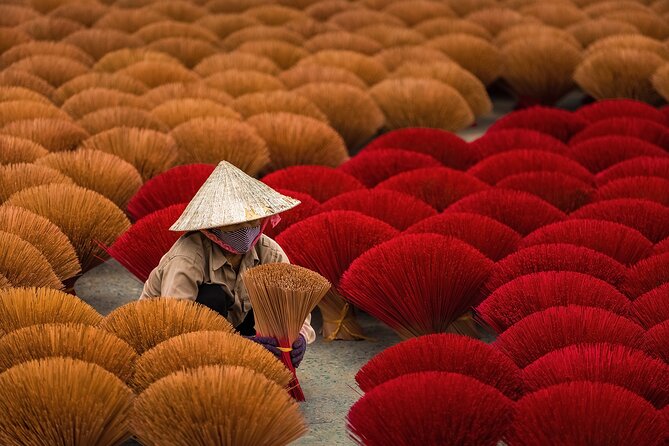
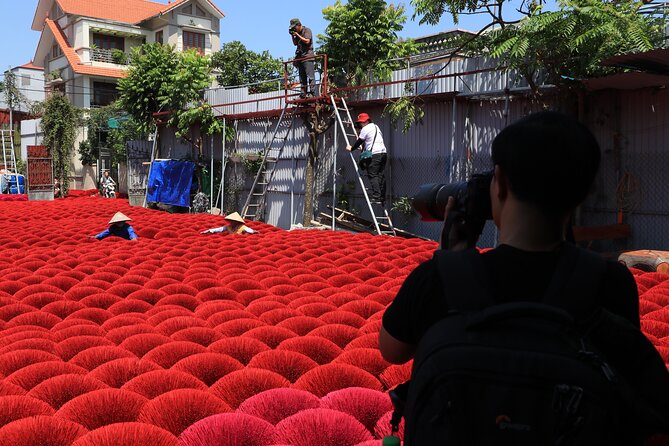
A major moment in your itinerary is arriving around 10am, when villagers have already set incense bundles out to dry. That timing is your first photographic advantage. Drying scenes offer a lot of repetition—rows, bundles, and red tones—which is great for composition and easy background control.
You’ll get time to shoot people working among this field of red incense. That means you can build a set of photos that progress from wide and atmospheric to more intimate shots. The tour also mentions opportunities for shooting from high above, which can add a fresh angle when the ground-level view is crowded.
One practical note: the tour is only as good as the working conditions you walk into. If the day is dull or weather turns bad, the incense-color effect and outdoor activity can feel less dramatic. The experience does require good weather, and if weather cancels, you’ll be offered a different date or a full refund.
Pro Photographer Tips: Shooting Workers (Not Just Products)
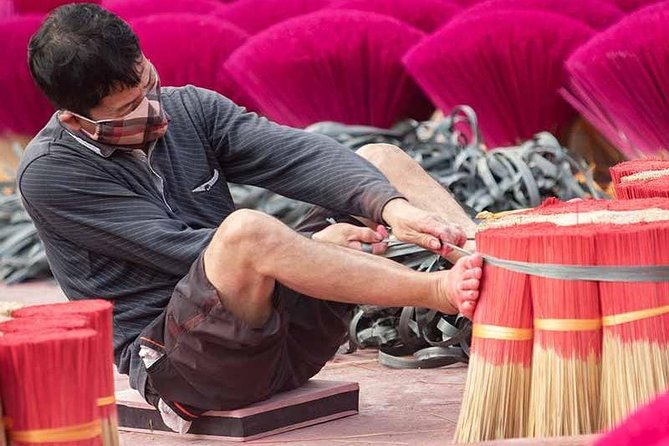
This is where your money really goes, because the coaching changes what you point your camera at. A professional photographer guides you with photo tips while you shoot, focusing on how to capture workers, tools, and process—so your images tell a more complete story.
In real examples from the guides, names you might meet include Tung and Brian, with Hong also mentioned by some participants. What stood out in those descriptions is that the coaching wasn’t just lecture-style. The guides were attentive, and they helped you understand a new way of thinking about your camera settings and framing as you move through scenes.
Here’s what you can expect your guide to help you do:
- Get closer to the action without losing context
- Adjust for different lighting as you move between open drying areas and workshop interiors
- Build a consistent visual sequence (so your set looks planned, not random)
- Capture people respectfully, with an eye for real gestures and hands
The biggest payoff is that you’re not left figuring it out alone. If you’ve ever taken “lots of photos” and later realized you don’t know why they don’t look strong, this kind of guided shooting is designed to fix that.
Workshop Stops: Bamboo, Dye Dipping, and Incense Paste
Once you’ve collected your drying-area shots, you move into the workshops. This part is less about one signature view and more about process coverage. You’ll shoot multiple steps of incense-making, including:
- Bamboo chopping
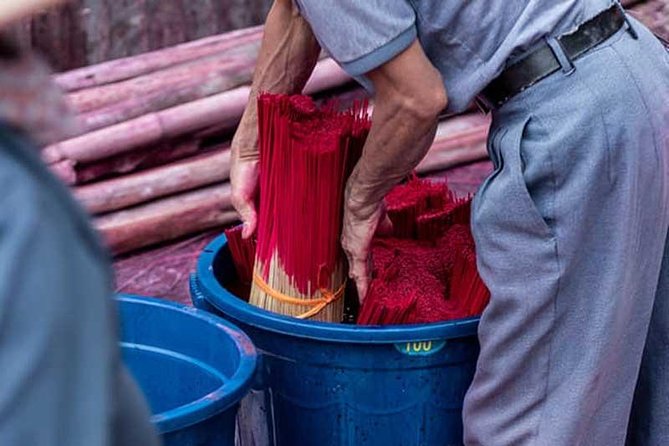
- Dipping the sticks in dye
- Creation of incense paste
Each step has different visual textures. Bamboo-chopping scenes often create strong shapes and rhythm—hands and movement against simple materials. Dye-dipping can offer color depth and patterns as sticks move through colored solutions. Paste-making tends to be more tactile and close-range, which is where camera technique matters (focus, distance, and framing).
The tour also includes time for photos of friendly locals who have worked on producing incense in Quang Phu Cau for generations. That’s important because you’re not photographing a factory poster. You’re photographing a living craft community.
One good strategy for you: think like you’re editing a mini film. In your camera roll, try to collect a handful of images for each stage—one wide-ish reference shot, one medium working shot, and one close detail. The guide’s tips should help you do that without overthinking.
And yes, you’ll likely also feel the pull of the “Instagrammable” side of the village. Just don’t build your expectations around one huge, uncrowded color field. The display area can be limited, so your best results come from mixing postcard-style shots with workshop scenes and side corners where the real work is.
Lunch, Relationships, and Access to the Real Process
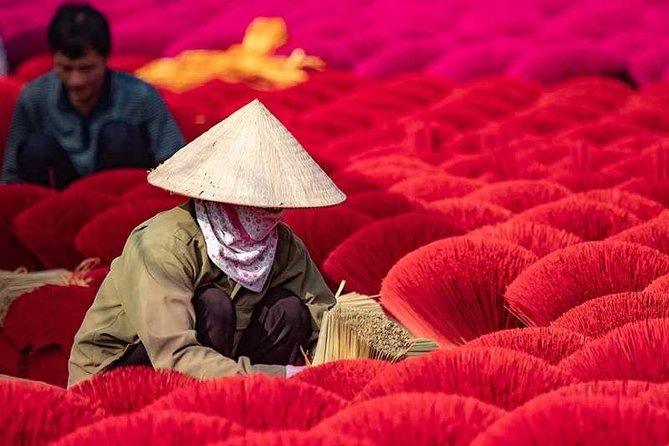
This experience isn’t presented as a drive-by. You’re led into production areas and guided in how to see them through a camera. Some participants specifically noted the strong relationship between the tour operator and the incense workshop owner, along with time that felt like access rather than a scheduled peek.
You may also include a delicious lunch during the day. The tour description here doesn’t go deep into the menu, but the fact that lunch is part of the overall flow matters because it prevents the “half-day tour” feeling where you’re hungry, rushed, and distracted.
This kind of workshop access is also where the tour earns trust. If the operator has a working relationship with the families and facilities, you’re more likely to be shown steps in a real production rhythm, not just the most staged angles.
The Photo Review and Selection Back in Hanoi
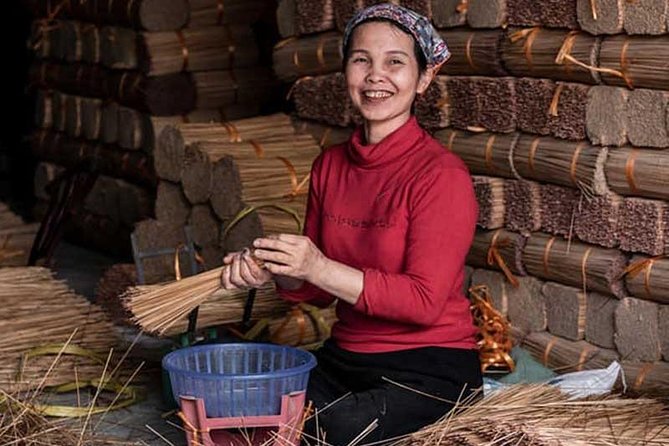
On the way back to your hotel in Hanoi, there’s a professional photo review and selection session. This is a big deal for anyone who has ever struggled to sort through hundreds of images after a tour.
Instead of you guessing what looks good, you get support choosing. That can help you leave with:
- A clearer sense of what worked technically
- Images that tell a more complete story
- Fewer “maybe” photos clogging your timeline
Even if you’re an experienced photographer, this kind of review can be useful because it teaches you what your guide noticed on-site. If you’re a beginner, it’s even more valuable since it turns chaos into a curated set you can build from.
This final step is how the tour moves beyond “walk and shoot” into “learn and improve.”
Price and Value: Is $189 Reasonable for This Setup?
At $189 per person, this isn’t a bargain-bin tour. But it also isn’t priced like a generic group excursion. Here’s what you’re actually buying:
- Hotel pickup (time-saving and less stressful)
- A pro photographer actively coaching you while you shoot
- Bottled water and inclusion of fees and taxes
- A small group size (max 5 travelers) which increases how helpful coaching can be
- A photo review and selection session at the end
When you add those pieces together, the price can make sense, especially if you value learning rather than just collecting photos. If you’re the kind of person who would otherwise spend time researching camera settings and composition on your own, a guided day can feel like a shortcut that still produces real results.
Booking trends matter too. The tour is often booked about 91 days in advance on average, so if you want your preferred date, it’s smart to plan ahead rather than hoping for last-minute availability.
Who Should Book This Photo Experience in Hanoi
This tour fits best if you want practical camera help and you’re excited to photograph real work. You’ll likely enjoy it most if you:
- Like documentary-style travel photography
- Want help with composition, timing, and shooting people respectfully
- Enjoy process-based sights, not just big views
- Prefer a small group and structured guidance
It may be less ideal if your main goal is a huge, uncrowded red-incense “field” for perfect wide shots. The display areas can be small and busy, and the strongest results come from workshop access and guided angles.
For most skill levels, though, this is designed to be approachable. The tour notes that most travelers can participate, and there are no health restrictions listed.
A Practical Tip List Before You Go
You’ll get more out of the day if you come prepared to shoot steadily. The tour is built around moving through stages, so it helps to think in sets rather than single shots.
Consider bringing:
- Your main camera and any lenses you feel comfortable switching
- A charged spare battery (you’ll likely shoot a lot)
- A way to keep warm and comfortable between outdoor drying areas and workshop interiors
If you’re using a phone camera, you can still benefit from the composition and timing guidance. Just be ready to slow down when the guide offers a better angle or an easier setup.
Should You Book Ultimate Quang Phu Cau Photo Experience?
If you want photos that feel like a story of craft—workers, process, and the color created by real work—this is an excellent use of a half-day in Hanoi. The best reason to book is the combination of active pro coaching and the photo review at the end, which helps you leave with images you can actually use.
I’d book it especially if:
- You’re willing to prioritize workshops over only postcard-style scenes
- You like structured guidance and small groups
- You want your camera day to improve your skills, not just fill your storage
If you mainly want one effortless “big field” shot and you dislike crowds, adjust expectations. Plan to lean into workshop angles and the guided corners where the real action is.
FAQ
Where is the Ultimate Quang Phu Cau Photo Experience located?
It takes place in Hanoi, Vietnam, with travel by car to Quang Phu Cau Incense Village.
How long is the tour?
The experience lasts about 5 hours.
How much does it cost?
The price is $189.00 per person.
Do you get hotel pickup?
Yes. Pickup is offered, and the tour includes traveling from your hotel to the village by car.
Is bottled water included?
Yes. Bottled water is included.
How many people are in the group?
The tour has a maximum of 5 travelers.
What kinds of photography activities are included?
You’ll receive photography tips from a professional photographer while exploring the village and workshops, including shooting workers and incense-making steps.
Is there a photo review at the end?
Yes. The day includes a professional photo review and selection session on the way back to your hotel.
Is confirmation provided at booking?
Yes. Confirmation will be received at time of booking.
What happens if weather is bad?
The experience requires good weather. If it’s canceled due to poor weather, you’ll be offered a different date or a full refund.
Is free cancellation available?
Yes. Free cancellation is available up to 24 hours in advance for a full refund.