REVIEW · HANOI
Southeast Asia 23-day: Vietnam, Cambodia & Thailand
Book on Viator →Operated by Authentic Adventures · Bookable on Viator
Private guidance makes this trio feel easy. This 23-day route strings together Vietnam, Cambodia, and Thailand with private guides and transfers, plus a real highlight: the Halong Bay cruise experience with sunrise and on-deck activities. I also like that you can stay in touch with your organizers by WhatsApp or phone if plans shift.
The team connection is more than a sales pitch. In the feedback I saw, people singled out coordinator Mr Tran Son for fast help, and named guides like Nguyen Duong Nghia along with drivers such as Nguyen Quang Trung who kept the trip running smoothly.
One consideration: this is a big-ticket, big-miles journey. You’ll do early starts (including the bay before sunrise) and you’ll move often—so it’s not the kind of trip where you can suddenly slow down for days on end.
In This Review
- Key things I’d pay attention to
- Private-guided Vietnam, Cambodia and Thailand without the headache
- Hanoi on arrival day: easy start, good orientation
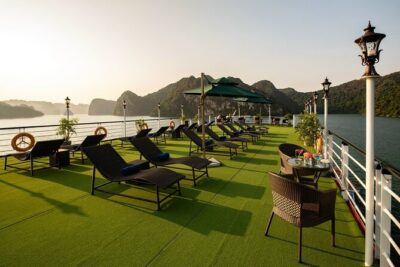
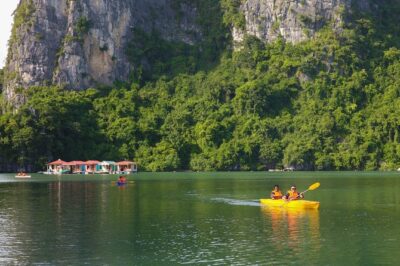
- Halong Bay and Lan Ha: sunrise views with a real cruise feel
- Hue to Hoi An: imperial stops plus UNESCO My Son
- Hoi An leisure time: shopping, slow streets, and choosing your pace
- Ho Chi Minh City and the Cu Chi area: war history plus present-day energy
- The Mekong Delta and Chau Doc: floating markets early, boats on the move
- Phnom Penh: Royal Palace highlights plus a choice of serious history sites
- Angkor day: big temples, forested drama, and classic Angkor architecture
- Koh Ker and Beng Mealea: the quieter temple stops you’ll remember
- National Museum, Tonlé Sap, and flying onward to Thailand
- Bangkok, Ayutthaya, and Damnoen Saduak: temples plus local life
- Chiang Mai and Doi Inthanon: hill tribe village, waterfalls, and cool-mountain energy
- Lampang and Lamphun: temples plus an old market lane
- Mae Khachan hot springs, White Temple, and the Golden Triangle viewpoint
- Price and what makes the $3,129 per person value feel real
- Who should book this tour, and who should pause
- Should you book this Vietnam–Cambodia–Thailand experience?
- FAQ
- Where does the tour start?
- What’s the tour duration?
- Is pickup offered?
- How many people are in the group?
- What’s included in the price?
- What’s not included?
- Does the tour require good weather?
- Can I communicate with the organizers during the trip?
- What is the cancellation policy?
Key things I’d pay attention to
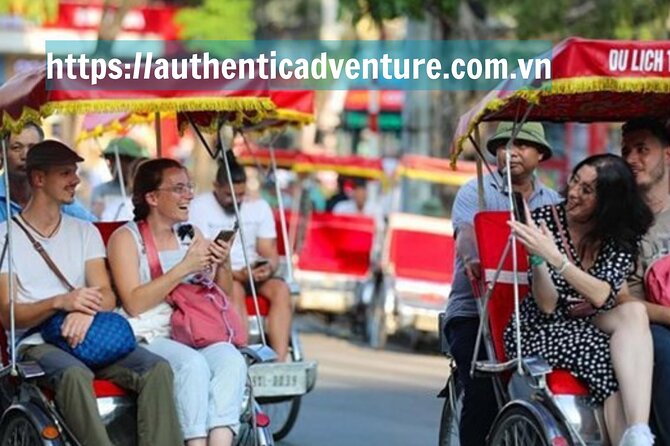
- Private guides + private transfers help you avoid the mass-tour feel and keep timings under control
- Halong Bay on La Pandora includes sunrise time plus activities like Tai Chi and a spring roll cooking demo
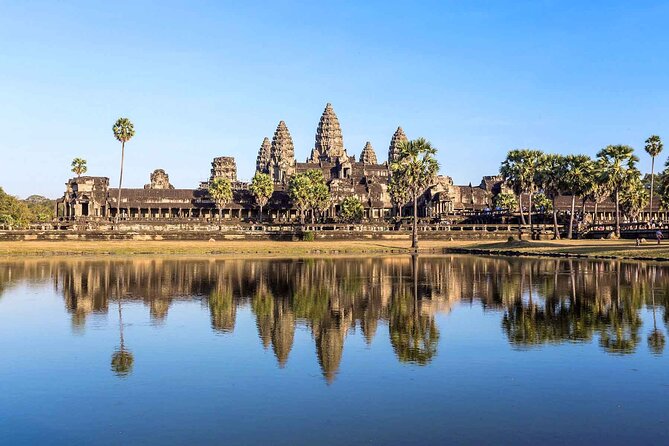
- Big-hits with context: Angkor’s temples alongside Phnom Penh’s darker history stops
- Not just the obvious temples: Koh Ker and Beng Mealea add variety beyond the main Angkor loop
- Thailand goes north: Chiang Mai includes Doi Inthanon, hot springs, and the White Temple area
- Small group size (max 10) keeps the day-to-day experience more personal
Private-guided Vietnam, Cambodia and Thailand without the headache
This is the kind of trip where the logistics are handled, and you get to focus on seeing. You’re in a private room, moving via air-conditioned vehicles, with tour guides at the main stops and entry fees covered for the included sights. That matters more than it sounds, because Southeast Asia can be wonderful and chaotic in the same hour.
What I’d call the real win is how the trip is stitched together: guides and transfers show up when you need them, not “sometime today.” You also have a direct line to organizers by WhatsApp or phone, so when conditions change, you’re not stuck trying to solve it on your own.
The pacing is “active but managed.” You’ll have leisure time in places like Hanoi, Hoi An, and Chiang Mai—but you also won’t lose entire days waiting around. Still, be honest with yourself: if you hate early mornings, this may feel like too much structure.
You can also read our reviews of more tours and experiences in Hanoi.

Hanoi on arrival day: easy start, good orientation
You land in Hanoi, get transferred to your hotel, and get the rest of the day to roam. That first day is important because Hanoi rewards wandering on foot, but it’s also easy to burn the wrong energy if you start jet-lagged with a jam-packed schedule. Here, you get a breathing space to find your footing.
The next full day sets you up with major cultural anchors. You’ll visit the Temple of Literature and National University, Vietnam’s UNESCO-listed site tied to the country’s early education tradition. Then you shift to the classic Hanoi vibe around Hoan Kiem Lake, add Ngoc Son Temple, and finish with the Vietnam Museum of Ethnology, which is a smart way to broaden beyond just the capital.
What you’ll likely feel: Hanoi is not just pretty streets. It’s also layers—scholarship, belief, and ethnic diversity—stacked close together. If you’ve got even a small curiosity for how people lived, this combo hits.
Halong Bay and Lan Ha: sunrise views with a real cruise feel
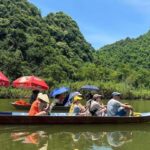
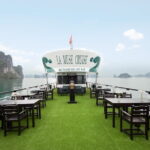
The Halong Bay portion is built around a cruise, not a rushed bus stop. On day two you’re picked up from your hotel or private address, transfer toward the marina, and then you board via tender. The trip is timed for a full experience on the water, and the boat route includes Lan Ha Bay, known for its quieter karst scenery compared with the busiest corridors.
On day two, you’ll cruise through Lan Ha Bay and reach an area described as Ong Cam. Later you return and anchor overnight, then you’ll get onboard extras like a spring roll cooking demonstration and a sunset party on the sundeck.
Day three starts early. You’re up for sunrise, plus Tai Chi on deck and a light breakfast. Then you head to a cave visit (listed as Dark & Bright Cave). After that, you return toward land, and you regain time in Hanoi with a free block.
Weather can affect bay days. One write-up noted that during a typhoon situation, the team adapted and still found a way to make the cruise work. Bottom line: go with the right mindset—this is weather-dependent water—and trust that the organizers are used to handling it.
Hue to Hoi An: imperial stops plus UNESCO My Son
After Halong, the route takes you into central Vietnam. In Hue, you’ll see the Thien Mu Pagoda (with its seven-story Phước Duyên pagoda, a local icon), and then you continue into the imperial zone with visits tied to the Hue Royal Palace area and marketplaces like Dong Ba Market for lunch.
The day doesn’t stop at palaces. You also visit the Mausoleum of Emperor Minh Mang and the Khai Dinh tomb. Those two are different in feel—one more about traditional royal design, the other more mixed and eclectic—so you get a fuller sense of how rulers expressed power over time. The tour then includes a practical craft stop near a village where people make incense sticks and conical hats, which is an easy way to break up the heavy monument days.
Then you transfer to Hoi An and shift into UNESCO mode with My Son Sanctuary. That’s where the trip adds variety: it’s not just coastal charm—it’s ancient temple ruins in the hills. After My Son, the Hoi An walking portion includes classic sights like the old houses and a local market-style experience.
If you want the best of Vietnam’s “old world” look, this middle stretch is it. If you’re sensitive to heat, you’ll appreciate that these days are organized into manageable blocks rather than leaving you to guess where to go next.
Hoi An leisure time: shopping, slow streets, and choosing your pace
Hoi An gets a dedicated full day for doing it your way. You’ll have breakfast, then free time to walk the Old Town, shop, and relax. This is one of the smartest choices in the whole trip, because Hoi An isn’t a place you “speed through” without missing the point.
You can use the day for simple wins: tailoring, small art browsing, street snacks, or just sitting by the river and letting the town’s rhythm build. The tour doesn’t trap you in every minute, which gives you room to adapt—especially helpful if your feet are tired from the cruise and temple days.
The practical tip here is to set expectations. Hoi An’s Old Town is popular, so you’ll see crowds at peak times. The advantage is that the rest of the trip is structured enough that you can pick when to go “hard” and when to just float.


Ho Chi Minh City and the Cu Chi area: war history plus present-day energy
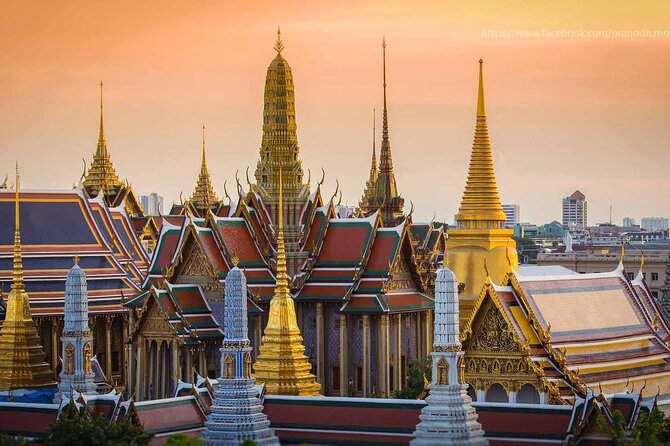
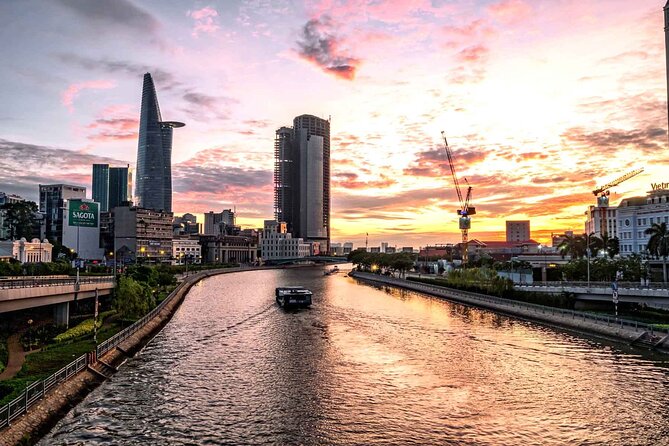
After some time in central Vietnam, you fly down to Ho Chi Minh City. You’ll do a quick orientation style day: transfer to hotel, then get leisure time.
The next day focuses on major Vietnam War-era landmarks. You’ll visit places tied to the Re-Unification Palace, and then you’ll go into the Cu Chi Tunnels area. The combination works because you see both the political center (palace) and the ground-level survival story (tunnels).
Day-by-day, this part is one of the most “serious” stretches of the trip. It’s also one of the most important, because Vietnam’s history isn’t abstract—it’s built into these sites.
One drawback to plan for: these days can feel physically demanding, especially if tunnels and museums run long. Wear shoes you can trust, bring water, and don’t assume you’ll breeze through.
The Mekong Delta and Chau Doc: floating markets early, boats on the move
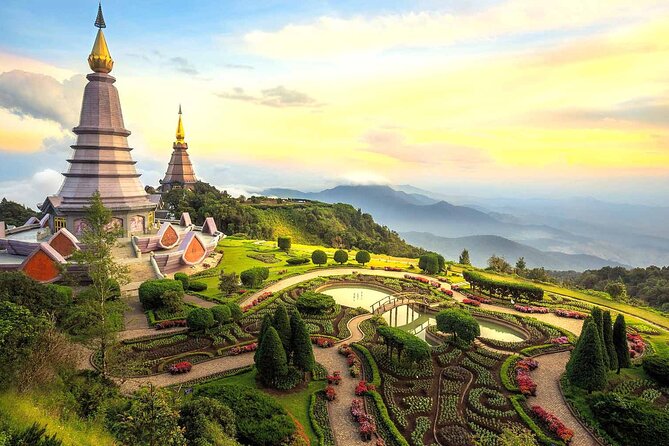
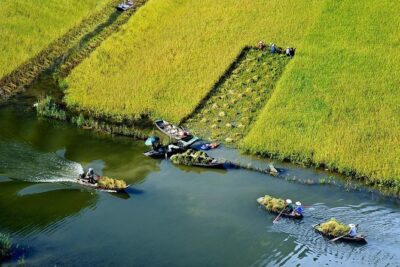
You then head into the Mekong Delta, starting from Ben Tre. You’ll take a boat trip along the river system and stop at a family-run business as part of how locals work the landscape. This is one of the better “middle-class reality checks” you can get without a lecture—how everyday production ties to geography.
The next morning is built around Cai Rang Floating Market with a very early start (around 6:30). You cruise through small channels and see the market at its busiest time. Then you move on to Châu Đốc.
In this stretch, it’s useful to remember that floating markets are not only tourist photo ops—they’re wholesale trading hubs. You don’t have to be a hardcore market person to appreciate it. Even if you just like watching daily life, you’ll come away with a strong sense of how people use the water as a highway.
Phnom Penh: Royal Palace highlights plus a choice of serious history sites
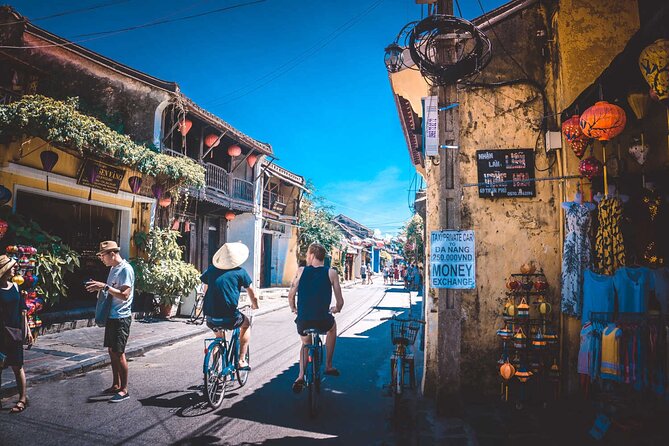
Crossing into Cambodia happens by speed boat from Châu Đốc to Phnom Penh, landing around the early afternoon. Then you get the rest of the day to explore at your own rhythm.
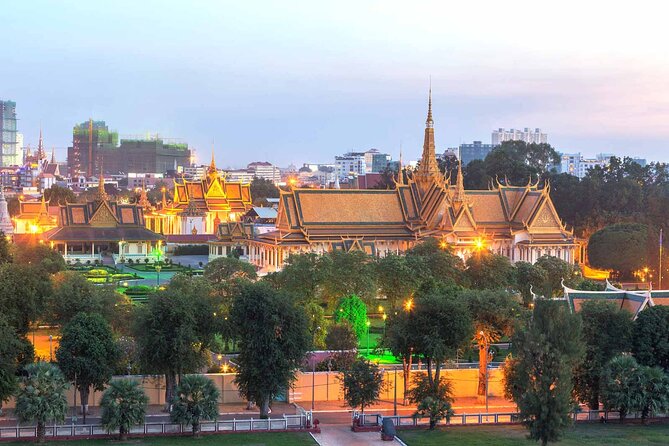
The next day is packed with royal and cultural landmarks: the Royal Palace and Silver Pagoda. You’ll also get a meaningful choice for the darker history component: you’ll have the opportunity to visit either the Khmer Rouge Killing Field and Tuol Sleng Genocide Museum.
That “either/or” matters because both can be emotionally heavy. It also gives you room to choose what matches your energy level. If you’re sensitive, I’d rather see you pick one and do it well than feel pressured to “check both boxes” on empty.
This is one of the best examples of how this tour tries to balance spectacle with context.
Angkor day: big temples, forested drama, and classic Angkor architecture
Then you reach Siem Reap-area touring, with a first Angkor-style day that hits three major zones: Angkor Thom, Ta Prohm, and Angkor Wat. You’ll see the ancient capital area, then move into the temple complex where trees grow through stone, and finish with Angkor Wat’s scale and layout.
Here’s the reality check: Angkor is famous for a reason, so you won’t escape crowds. But with a private guide setup, you’re more likely to understand what you’re looking at and how to time your movement through the most intense areas.
Wear sun protection. Keep water close. And don’t underestimate how long temple walking lasts even when distances look short on a map.
Koh Ker and Beng Mealea: the quieter temple stops you’ll remember
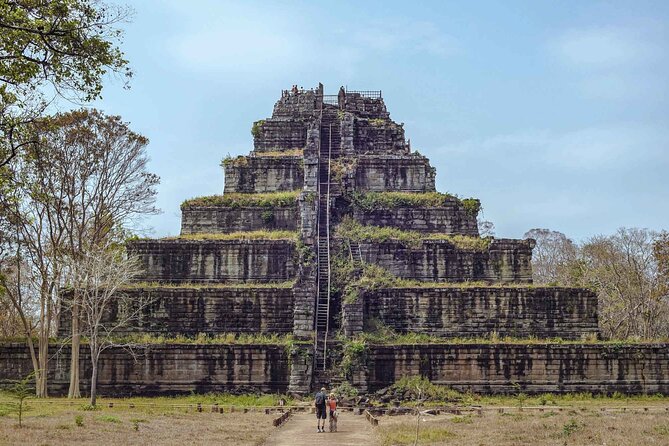
A lot of tours do the main Angkor circuit and call it a day. This one adds a more remote option with Koh Ker, which is set in a jungle environment and described as largely deserted ruins. It’s a different mood—less postcard, more “you found something.”
On the way back toward Siem Reap, you stop at additional temples like Prasat Neang Khmaw and Prasat Pram, then you have lunch near Beng Mealea before heading there.
Beng Mealea is the kind of place where the overgrowth is part of the story. You’ll walk through dense greenery around the ruins and experience a temple site that feels like it has been waiting.
If you’re trying to avoid repeating the same view too many times, these two stops are a strong reason to pick this tour over the simplest Angkor-only packages.
National Museum, Tonlé Sap, and flying onward to Thailand
After the Angkor sequence, you don’t just move on. You visit the National Museum of Cambodia early in the morning, then you continue to Tonlé Sap Lake.
This is a smart pairing. The museum helps you understand Khmer art and culture, while Tonlé Sap gives you the living side of Cambodia—an ecosystem tied to water levels and livelihoods. Then you get the travel day lift by flying onward to Bangkok in the afternoon.
One practical point: museum mornings are easier if you start fresh. By this stage of a 23-day trip, you may want to pace yourself with rest the night before so you can actually absorb what you see.
Bangkok, Ayutthaya, and Damnoen Saduak: temples plus local life
Thailand starts with Bangkok temple days and then expands outward. You’ll visit major temple sites in Bangkok, including Wat Traimit (the Golden Buddha area) and Wat Pho. You’ll also include Wat Benjabophit.
Then the trip includes an outing that’s both touristy and still worth it if you enjoy watching daily trade. You go to Damnoen Saduak Floating Market and also visit an area tied to handicraft and home industry. Later, you shift to Kanchanaburi for Tiger Temple as part of the day’s route.
Then comes Ayutthaya, where you’ll visit Bang Pa-In Summer Palace and temple sites like Wat Mahathat and Wat Phra Si Sanphet. Ayutthaya is a different scale of ruin and palace story compared with Angkor, but the “power on the landscape” theme still resonates.
If you’re photo-driven, this stretch will satisfy you. If you prefer quiet culture, it helps to choose temple time early and leave some breaks for the midday heat.
Chiang Mai and Doi Inthanon: hill tribe village, waterfalls, and cool-mountain energy
After Bangkok, you fly to Chiang Mai. You get leisure time on arrival, then a full day into Doi Inthanon National Park. You’ll visit the King and Queen Chedis, then stop at a Karen hill tribe village area, and you’ll go to Wachirathan Falls.
This day is the “nature and altitude” shift in the whole trip. Doi Inthanon can feel cooler than the lowlands, and the waterfall stop gives you a break from temple-heavy days.
As always with village visits, be respectful and keep your expectations realistic. You’re likely seeing a community area as part of a route, not stepping into a private documentary-style experience. Still, it can be a meaningful cultural moment.
Lampang and Lamphun: temples plus an old market lane
The tour doesn’t end at Chiang Mai’s main attractions. You go to Lampang, visiting Wat Prathat Lampang Luang and then moving to Kad Kong Ta Street Market through old streets.
Then you continue to Lamphun for Wat Phra That Hariphunchai. This is a nice middle track: not just the biggest names, but temples tied to the Lanna region’s older story.
It also gives you a chance to see markets and streets that don’t feel as centered on global tourist demand.
Mae Khachan hot springs, White Temple, and the Golden Triangle viewpoint
In the last full stretch, the tour heads toward northernmost sights. You’ll visit Mae Khachan hot springs, then Wat Rong Khun (White Temple) and Chiang Saen. After lunch, you reach the Golden Triangle area where you can see the crossing point context for Thailand, Myanmar, and Laos.
You then visit Wat Phrathat Pukhao, with a viewpoint over the Mekong junction. This is one of those days where the scenery and symbolism are doing a lot of work, so don’t plan to rush it.
Finally, you return to Chiang Mai for a leisure morning and then a transfer to the airport for departure.
Price and what makes the $3,129 per person value feel real
At about $3,129 per person for roughly 23 days, the value depends on what you’d have to piece together yourself. Here, accommodations are private rooms, and the trip includes air-conditioned transport, tour guides, entry fees for the stated sights, and multiple meals: breakfast on 23 days, lunch on 18 days, and dinner on 2 days, plus a domestic flight.
The hidden costs you avoid are the big ones: hiring separate guides in each city, arranging drivers across borders, booking entry tickets, and trying to keep schedules aligned when traffic or weather changes. The communication support via WhatsApp or phone also reduces the anxiety factor.
Group size is max 10, and that matters because you’re not sharing your day with a huge crowd. You also have private guides and transfers at each destination, which is typically where cheaper packages start to feel crowded or rushed.
This is not the cheapest way to do the region. But it is a “cost-to-convenience” trade that makes sense if you want fewer logistical headaches and a smoother route across three countries.
Who should book this tour, and who should pause
This trip is a strong match if you want:
- Private, guided highlights with entry fees handled
- A route that covers Vietnam, Cambodia, and Thailand without you coordinating flights and transfers between them
- A balance of major sights and some less common stops like Koh Ker and Beng Mealea
I’d pause if you:
- Hate early mornings and long travel days
- Prefer an unstructured itinerary where you can fully control every day
- Are sensitive to emotionally heavy history stops like those in Phnom Penh (even though you get choice)
If you like planning—but also want someone else to handle the harder parts—this is exactly that sweet spot.
Should you book this Vietnam–Cambodia–Thailand experience?
If your main goal is to see the region’s top sights without turning your trip into a logistics project, I think this booking makes sense. The private guide setup, the coverage of entry fees, and the small-group approach are the big reasons.
My recommendation is simple: if you’re okay with a structured route and early starts, you’ll enjoy how the trip layers big icons with real context. And if you know you’ll benefit from WhatsApp/phone support when weather or timing gets weird, that added safety net is worth real money on a 23-day journey.
FAQ
Where does the tour start?
The tour is based in Hanoi, Vietnam, with arrival day lodging in Hanoi and transfers provided from there.
What’s the tour duration?
It’s about 23 days.
Is pickup offered?
Yes, pickup is offered. The schedule includes hotel or private-address pickup for day trips like the Halong Bay cruise.
How many people are in the group?
The tour has a maximum of 10 travelers.
What’s included in the price?
Included items include private-room accommodation, a domestic flight, air-conditioned vehicle transport, tour guides, all entrance fees for included sightseeing, and a meal set (breakfast on 23 days, lunch on 18 days, and dinner on 2 days).
What’s not included?
Tips, alcoholic drinks, soft drinks, and personal expenses are not included.
Does the tour require good weather?
Yes. Some parts depend on weather. If it’s canceled due to poor weather, you’ll be offered a different date or a full refund.
Can I communicate with the organizers during the trip?
Yes. The tour notes communication support via WhatsApp or phone.
What is the cancellation policy?
Free cancellation is offered if you cancel up to 24 hours in advance for a full refund.