REVIEW · HANOI
Private 15-Day Tour in Vietnam Laos and Cambodia
Book on Viator →Operated by Viet Prestige Travel · Bookable on Viator
Three countries, one tightly run plan. This private 15-day circuit strings together major highlights—Hanoi, Halong Bay, and Angkor—with daily pickup/transfer so you spend less time figuring things out. I especially like the way the tour handles the hard parts for you: entrance fees/permits are included for the listed sights, and you get a dedicated, responsive agent/guide setup (names like Loan Do, Hahn, and Sarah come up as people felt well looked after). The only real drawback to consider is pace: with so many destinations in 15 days, expect early starts and long travel days, plus flights and visas are still on you.
What also works is the mix of big sights and calmer moments. You get a tai chi session on the Halong Bay/Lan Ha cruise terrace and nature time at Kuang Si Falls, then you switch back to temples and monuments without the trip feeling random.
On the practical side, this is built like a “show up and go” itinerary: air-conditioned transport, mineral water each day, and most meals handled (breakfast is included 14 times; lunch 2 times; dinners also included). If you hate moving every few nights, you’ll want to think twice.
In This Review
- Key things that make this tour worth your attention
- Hanoi: old-quarter rhythm plus Ho Chi Minh’s Vietnam in one day
- Halong Bay and Lan Ha: cruising days with built-in breaks
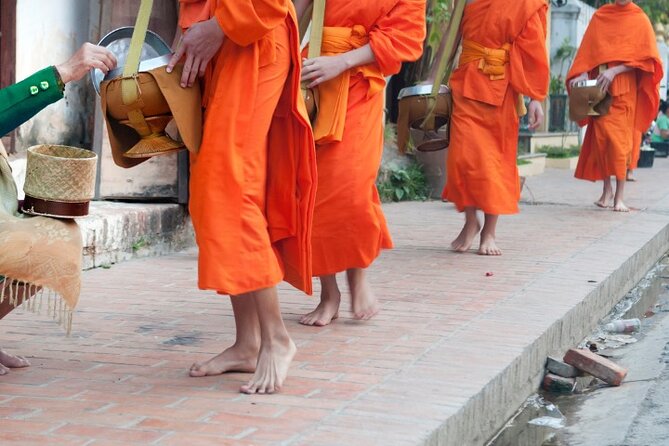
- Luang Prabang: temples, falls, and crafts that feel more human
- Pak Ou Caves and three very different temples in Luang Prabang
- Siem Reap and Angkor: the big four plus Pre Rup timing
- Tonle Sap and the smaller temples: why this contrast is smart
- Da Nang to Hoi An: bamboo basket time and the Hai Van Pass
- Hue Imperial City, Thien Mu, and Khai Dinh: three tones of Vietnamese architecture
- Ho Chi Minh City: war memory, colonial landmarks, and Cu Chi tunnels
- Is $2,584 per person good value?
- Should you book this private 15-day Vietnam–Laos–Cambodia tour?
- FAQ
- Is this tour private?
- How long is the tour?
- Where does the tour start and end?
- What’s included in the price?
- Are flights included?
- Are visa fees included?
- Do I get a ticket on my phone?
- What is the cancellation policy?
- What if the tour can’t run due to weather or group size?
Key things that make this tour worth your attention
- Private-group service: only your group participates, with transfers starting right at arrival halls in key cities.
- Entrance fees and permits included: fewer surprise costs once you’re on the ground.
- Halong Bay cruise includes activity time: scheduled visits plus optional-feeling experiences like caves and water activities.
- Luang Prabang beyond the postcard: Kuang Si Falls, Pak Ou Caves, and multiple temples with distinct vibes.
- Angkor coverage built for variety: Angkor Thom, Bayon, Ta Prohm, Angkor Wat, and Pre Rup all in sequence.
- A Vietnam finish that includes contrast: colonial architecture and war history, capped with Cu Chi Tunnels.
Hanoi: old-quarter rhythm plus Ho Chi Minh’s Vietnam in one day
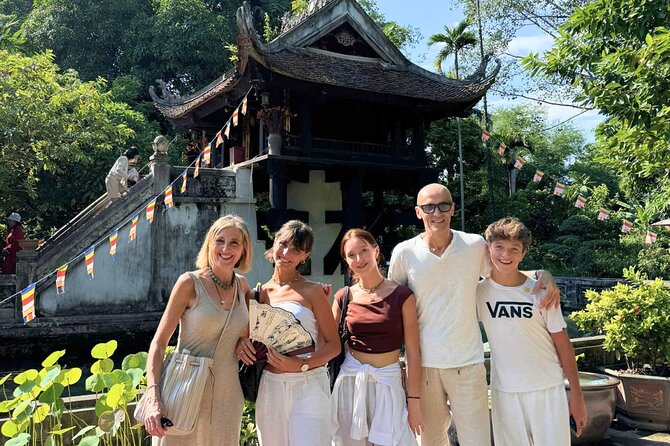
Hanoi kicks off in a very practical way. After you land, you’re met at the arrival hall with a sign using the lead traveler’s name, then taken to your hotel so you can check in and reset.
The next day leans into “places that explain the country.” The Ho Chi Minh Museum is part of that—his embalmed body is preserved there, which is a heavy, important stop even if you’re not a museum person. From there, you rotate through major landmarks that show how Hanoi blends eras: Tran Quoc (a pagoda that’s described as the oldest in Vietnam with 1,440 years of history), the Hanoi Opera House as a standout French-colonial structure, and the Dền Ngọc Son area.
My favorite practical touch for Hanoi is the old-quarter cycle ride. It’s a simple way to get your bearings fast around Hoàn Kiếm Lake and the Old Quarter lanes without spending hours walking on first-day legs.
One note: you’ll be touring several sites back-to-back, so wear shoes that can handle uneven sidewalks and plan a slow meal afterward, not another packed afternoon.
You can also read our reviews of more private tours in Hanoi
- Doris Cruise 5 star cruise 2 days visiting Halong Bay Lan Ha Bay private balcony
★ 5.0 · 2,338 reviews

Halong Bay and Lan Ha: cruising days with built-in breaks
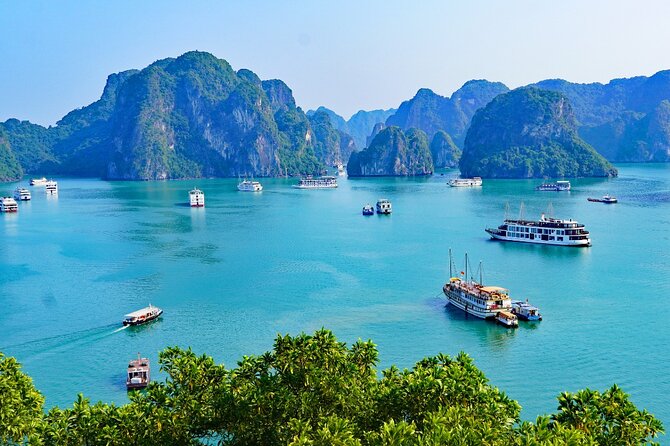
You transfer to Halong Bay / Lan Ha and board the cruise for an 8-hour block. The way this is described matters: it’s not just “sit and look.” You’re told there are scheduled visits that could include island explorations, caves, or water activities, so you should expect the day to have motion and stops rather than one long boat loop.
Then the next portion gives you an extra layer of calm: a tai chi class on the boat terrace, plus free tea and coffee. This is the kind of detail that makes a big-sight day feel more personal because you’re not only observing—you’re participating in a small local rhythm.
What to consider is weather and timing. This experience is noted as weather-dependent, so keep your expectations flexible if conditions are rough. Also, cruises mean you’ll be on a set schedule. If you like wandering slowly and stopping when the mood hits, you might wish you had a bit more unstructured time—though the structured plan is also why this tour feels low-stress.
Luang Prabang: temples, falls, and crafts that feel more human
Laos begins with another arrival pickup in Luang Prabang, then check-in. Your first full Lao day focuses on “culture objects you can actually connect with.”
The Royal Palace Museum is the kind of museum stop that can feel dry or fascinating depending on the pacing. Here, the highlight is the variety of ceremonial items mentioned: masks, royal jewelry, and ancient manuscripts. That mix helps you understand court life as more than just statues.
Then you go to Kuang Si Falls. The trail winds through a national park, and the Asian bear rescue center is specifically referenced. That means the day isn’t only about photo stops at the falls; it also includes conservation context, which can add meaning to the nature time. Expect time on foot and some humidity, so bring water habits and light layers.
To slow things down, you visit Ock Pop Tok Living Crafts Centre, described as a traditional craft shrine on the Mekong’s banks. This is the right place in the itinerary for anyone who wants to see how skills are kept alive, not just buy souvenirs.
Pak Ou Caves and three very different temples in Luang Prabang
A big Lao day continues with Pak Ou Caves, where you’ll see hundreds of Buddha statues left by devotees. The “hundreds” detail matters because it signals a crowded visual field, where the caves feel like a living religious layer rather than a single landmark.
After that you hit three temple stops that each have a different flavor:
- Wat Xiengthong, known for the mosaic “tree of life” and the way light can pass through colored glass.
- Vat Visounarath, with its stupa and lines that become especially dramatic at sunset.
- Wat Xiengthong and the other temples together create a pattern: the tour doesn’t treat Luang Prabang as one-style sightseeing.
If you’re thinking about comfort, schedule-wise this is a lot of looking and walking. It’s worth bringing a small scarf or cover-up for temples and keeping sunscreen ready. When the day finishes around sunset tones, you’ll be glad you did.
Siem Reap and Angkor: the big four plus Pre Rup timing
Siem Reap is handled the same way as the other gateways: pickup in the arrivals hall with the lead traveler’s name on a sign, then time to rest before the temple days.
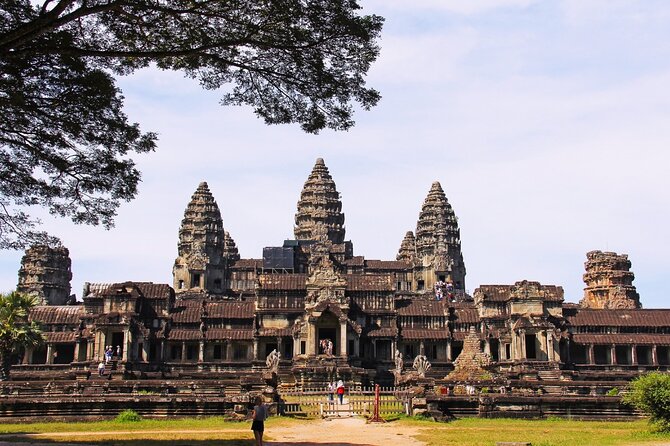
Your main Angkor sequence starts with Angkor Thom, described with giant statues of gods and demons. That’s a strong opening because it frames the Khmer capital as more than a single “best photo angle.” Next is Bayon Temple with its 54 towers and serene Avalokiteshvara faces, which tends to shift the mood from monumental to strangely intimate.
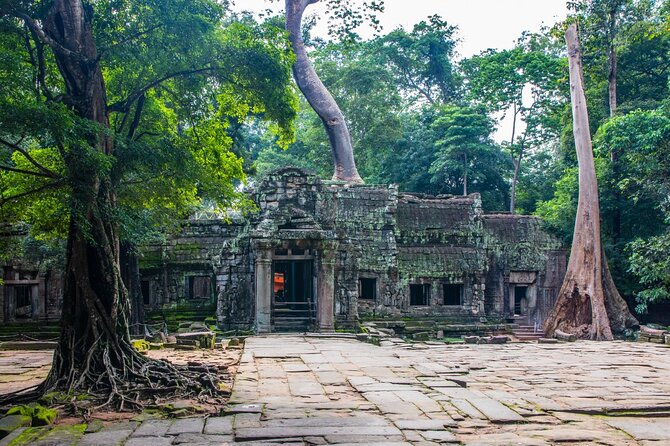
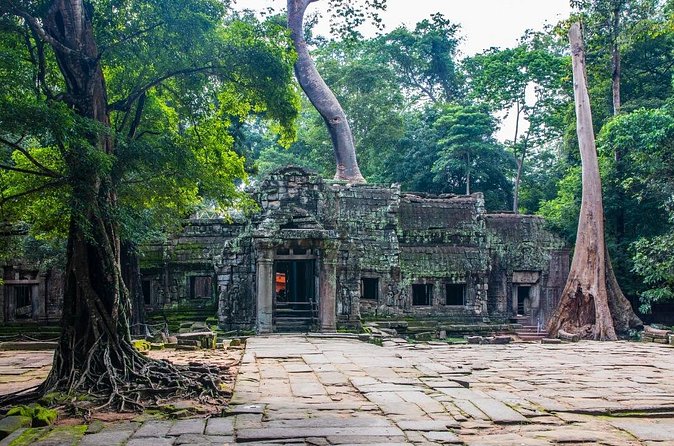
Then you visit Ta Prohm, famous for tree roots taking over the stone. It’s dramatic and story-heavy in a way that feels different from the more symmetrical temples.
Finally comes Angkor Wat, framed as the largest temple and a national pride symbol. This is the moment most people picture when they think Angkor, so if you’re going to allocate your best energy anywhere, it’s here.
You wrap with Pre Rup, described as an especially good sunset stop with golden and reddish tones on stone. The order matters: by the time you reach Pre Rup, you’ve already absorbed a lot of temple scale, so the light-change becomes the final “reset.”
Practical consideration: Angkor days are hot and you’ll be on foot. You’ll be thankful for a plan that stays organized and timed, because heat can turn “just one more temple” into “we should have planned this better.”



Tonle Sap and the smaller temples: why this contrast is smart

Not every day in this tour is built around the Angkor brand. Tonle Sap Lake is your next big natural stop, described as a freshwater giant that changes with the seasons. That phrase is useful because it hints the lake is not static; your experience can feel different depending on timing and conditions.
Then you move to Banteay Srei, called the Citadel of Women for the delicacy of its carvings. This stop helps break the pattern of huge-scale stonework. It’s the kind of site where details matter more than your need to stand back and photograph symmetry.
You also visit Banteay Samre, a 12th-century sanctuary that gives another window into Khmer architecture. Together, these two temples make your Angkor experience feel less like a checklist and more like a conversation across styles and levels of ornament.
If you’re the type who gets temple fatigue, this contrast is exactly what you want. It’s still Khmer, but it’s not repeating the same look.
Da Nang to Hoi An: bamboo basket time and the Hai Van Pass
After Laos, Vietnam returns via Da Nang, where you’re picked up at the arrivals hall and transferred to a hotel in Hoi An. That matters because Hoi An often feels best when you’re not rushing the first evening.
The next morning/segment begins in Hoi An Ancient Town, described as a centuries-old meeting point of eastern and western cultures. Then you get Cam Thanh, where you “sail” in traditional bamboo baskets. The wording is playful, but the idea is real: you’re in a small boat experience on the water, not just watching someone else do it.
Then you head toward Hue, with Hai Van Pass in between. The tour specifically flags the pass as a winding route between mist-shrouded mountains and the South China Sea. Even if you can’t see everything clearly, the drive is one of those in-between moments that makes the long trip feel like travel, not just transfers.
Tip for you: this is another day where sun + wind can flip your comfort level quickly. A light layer helps.
Hue Imperial City, Thien Mu, and Khai Dinh: three tones of Vietnamese architecture
In Hue, the itinerary concentrates on major monuments that explain how Vietnamese imperial life shaped the built environment.
First is the Hue Imperial City (The Citadel), described as walled and designed as a reflection of Beijing’s forbidden city. Even if you know nothing about court systems, the scale and enclosure logic help you understand why power was built as architecture.
Next is Thien Mu Pagoda, built in the 17th century. The tour calls out both a panoramic view and its role in Vietnamese history, culture, and spirituality, which tells you this isn’t only a quick photo stop.
Finally, Tomb of Khai Dinh combines European and Asian architecture elements, described as a mix of classical European and Asian styles. This makes Khai Dinh feel different from many temples because it reads like political decisions expressed in design.
A practical note: you’ll be out in open areas at least part of the time. Bring water habits and plan modest clothing for temple areas.
Ho Chi Minh City: war memory, colonial landmarks, and Cu Chi tunnels
Ho Chi Minh City arrives with another airport pickup and hotel transfer, which keeps the “arrive, sleep, go” pattern consistent.
Your first big day includes Reunification Palace, described as a witness to the end of the war against the Americans, with tanks referenced among the historic echoes. Then you switch to colonial-era architecture with Saigon Notre Dame Cathedral and the Saigon Central Post Office designed by Gustave Eiffel. These stops help you see how French-era design stamped its presence on the city.
Then you go underground: Cu Chi Tunnels. The tour frames it as a labyrinth of underground passageways dug by hand by guerrillas. Even without getting lost in political details, the setting forces perspective—this is one of those experiences that changes how you think about “history” once you’re standing in it.
If you’re short on time or energy, this is also a day you might feel. Cu Chi is physically demanding for some people, so decide in advance how much stamina you want to spend on tunnels versus surface landmarks.
Is $2,584 per person good value?
This price is high enough that you should judge it on what’s included, not just the total number.
Here’s what you do get baked in:
- entrance fees/permits for the listed sights
- air-conditioned vehicle transport
- mineral water (2 bottles per day)
- breakfasts (14), plus 2 lunches and dinners
- personalized, exclusive service for your group
You still pay separately for flights (international and domestic) and visas for Vietnam, Cambodia, and Laos. So the value question comes down to this: does having transfers, guides, and entry fees handled save you enough time and stress to justify the cost?
For a 15-day route covering multiple countries and major “anchor” sites, this kind of built-in structure usually is worth it—especially if you want fewer planning headaches and less time negotiating logistics across borders.
Should you book this private 15-day Vietnam–Laos–Cambodia tour?
I’d book it if you want a guided, well-paced structure across big-name destinations, and you prefer having entrance fees, transport, and major meals handled. It’s also a good match if you value the blend of temple scale (Angkor) with nature/quiet time (Halong cruise with tai chi, Kuang Si Falls, Tonle Sap).
I’d think twice if you hate moving around a lot. You’re cramming Hanoi to Laos to Cambodia to Vietnam in about two weeks, so you’ll need a “roll with it” attitude. And if you don’t already have flights and visas lined up, your total trip cost will rise fast.
Bottom line: this tour is built for people who want fewer decisions, more guided context, and a clear route across Vietnam, Laos, and Cambodia.
FAQ
Is this tour private?
Yes. It’s listed as a private tour/activity, and only your group will participate.
How long is the tour?
The duration is 15 days (approx.).
Where does the tour start and end?
It starts in Hanoi, Vietnam (meeting point at Sao Viet Bus26 P. Tạ Hiện, Hàng Buồm, Hoàn Kiếm, Hà Nội). It ends in Ho Chi Minh City, Vietnam.
What’s included in the price?
Entrance fees and permits for the tourist visits, air-conditioned vehicle transportation, mineral water (2 bottles per day), and meals (breakfast 14 times, lunch 2 times, and dinner). Personalized/exclusive service is also included.
Are flights included?
No. International and domestic flights are not included.
Are visa fees included?
No. Visa fees for Vietnam, Cambodia, and Laos are not included.
Do I get a ticket on my phone?
Yes. The tour includes a mobile ticket.
What is the cancellation policy?
You can cancel up to 24 hours in advance for a full refund. Within 24 hours of the start time, refunds aren’t available.
What if the tour can’t run due to weather or group size?
It requires good weather. If it’s canceled due to poor weather, you’ll be offered a different date or a full refund. If the minimum number of travelers isn’t met, you’ll be offered a different experience or a full refund.
You Might Also Enjoy


More Private Tours in Hanoi
- Doris Cruise 5 star cruise 2 days visiting Halong Bay Lan Ha Bay private balcony
★ 5.0 · 2,338 reviews


More Tours in Hanoi
- Ninh Binh Full-Day Tour from Hanoi to Hoa Lu, Tam Coc & Mua Cave Via Boat & Bike
★ 5.0 · 4,384 reviews