REVIEW · NINH BINH DAY TRIPS
Ninh Binh Photo Explorer
Book on Viator →Operated by Vietnam in Focus - Day Tours · Bookable on Viator
Golden light starts the fun. This small-group Ninh Binh Photo Explorer is built for photographers who want their day shaped by a real camera-minded guide. I like the max-6 group size, plus the early Tam Coc boat time that helps you shoot with fewer people in frame and more natural calm in the scene.
One thing to plan for: it’s an early morning and Hang Múa comes with a steep 500-step climb, so wear proper shoes and expect a workout.
In This Review
- Key moments that make this Ninh Binh photo tour special
- Price and logistics: what you’re really paying for
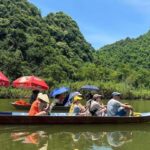
- Tam Coc’s early boat ride through caves and valley views
- Hang Múa: how the 500 steps change your photo plan
- Hoa Lu ruins for architecture photos with story
- Stone carving at Ninh Van: photographing hands and limestone
- Ceramic making at Gia Thuy: clay-to-pot action shots
- Van Long Nature Reserve at sunset: buffalo dips and school bikes
- Photography coaching that goes beyond pointing
- What to bring so the day feels easy
- Who this tour is best for (and who should reconsider)
- Should you book Ninh Binh Photo Explorer?
- FAQ
- What time does the tour start?
- How big is the group?
- What is included in the price?
- What are the main activities during the day?
- How physically demanding is the tour?
- Can I cancel and get a full refund?
Key moments that make this Ninh Binh photo tour special
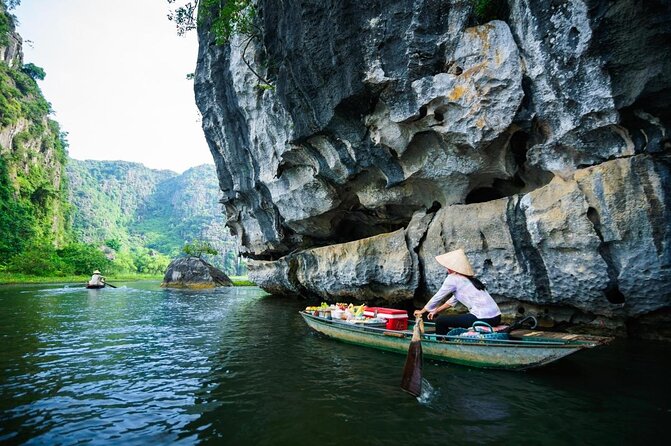
- Tam Coc before crowds: early arrival and a valley-cave boat ride where you get time for both photos and short walks to viewpoints
- Hang Múa’s 500 steps: a guided pace with breaks, focused on getting that iconic view shot
- Craft villages after lunch: stone carving and ceramics, where you can photograph hands at work in a real working setting
- Van Long at sunset: rural life scenes—farmers, cattle and buffalo, and schoolchildren cycling home along dykes
- Professional photography coaching: composition and exposure help designed for people from curious amateurs to more serious shooters
Price and logistics: what you’re really paying for
At $327.18 per person for about 10 hours, this isn’t a bargain bus tour. The value comes from the setup: pickup from Hanoi, private transport for your group, food and drinks included, a professional photographer leading you, and a small group size (maximum 6). You also get a mobile ticket, which keeps the day straightforward.
The other big value is time control. Ninh Binh’s best photo moments are often about when you arrive, not just where you stand. Starting around 6:00 am means Tam Coc is still calm and the light is gentler—perfect for boat shots, reflections, and cave passages.
You’ll also notice the admission fees are handled in parts of the day (national park entrance and some sites). That matters because it reduces the hassle of figuring out what you need at each stop, and it keeps your schedule on track.
You can also read our reviews of more tours and experiences in Hanoi.

Tam Coc’s early boat ride through caves and valley views
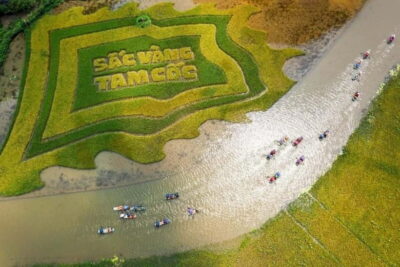
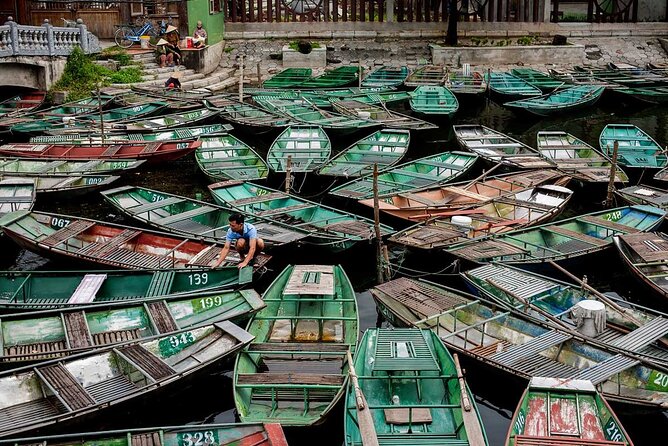
Tam Coc is the first real photogenic payoff, and the timing is the whole game. You leave Hanoi around 6:00 am and reach Tam Coc at about 7:30. That early arrival is what lets you get on the boats while the area is still getting going.
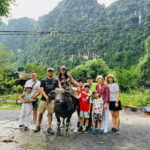
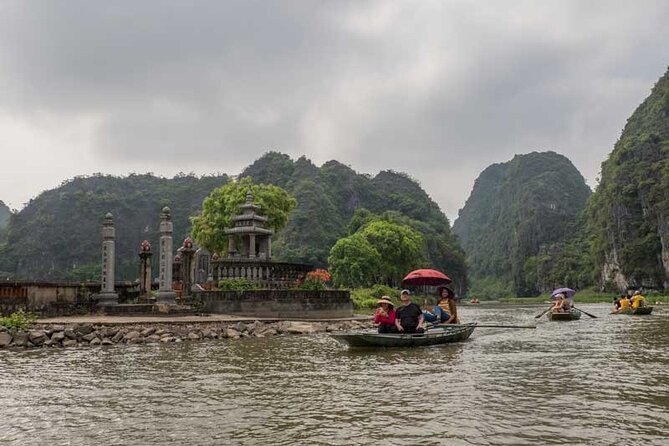
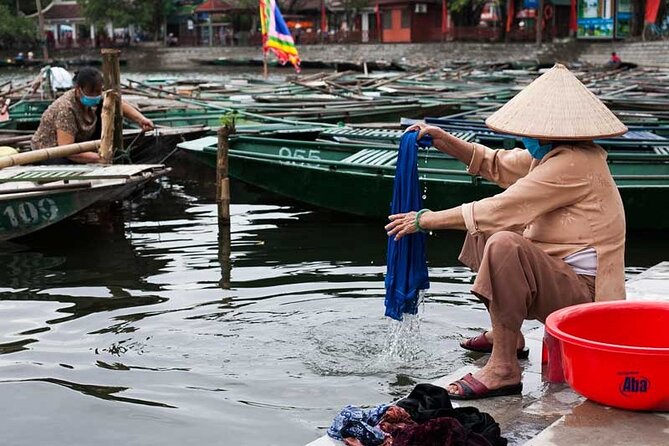
The boat portion runs about 3 hours total with the ride plus time for short walks to viewpoint spots. You’ll be moving slowly along the water through the valley and cave areas, which is ideal for photographers because you can work on framing as the scene unfolds. And you’re not just photographing scenery—you’re also photographing people doing the job: the boat operators keep an old tradition of rowing by foot, which can add an authentic, human layer to your shots.
If you like photos with mood—soft light, repeating shapes of karst cliffs, and gentle water reflections—this stop is where you’ll start stacking strong images quickly.
Practical tip: since you’ll be outdoors early, bring something to cover up from sun (or light rain). Even if your camera is weather-friendly, your comfort decides whether you’ll stay focused.
Hang Múa: how the 500 steps change your photo plan
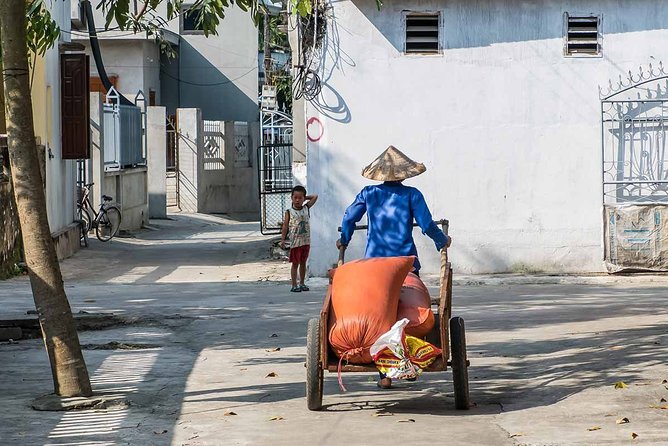
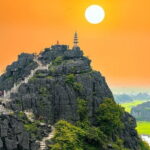
After Tam Coc, you head to Hang Múa. This is where the tour turns from boat pacing to climb-and-shoot pacing. You’ll tackle a steep climb of 500 steps, with time built in so you can rest. It’s only about 2 hours at this stop, but it’s enough for multiple photo angles if you move steadily.
The main payoff is access to one of the iconic hangout-view spots in Ninh Binh. You’re not just walking up; the photographer-led approach pushes you to think about composition and exposure while you’re sweating up the stairs. That coaching can be the difference between a tourist snapshot and an image that feels intentional.
What I’d watch: Hang Múa is physical. If you’re carrying heavier gear, plan for how you’ll hold it at rest points. And if the climb pace doesn’t match your energy, you may want to slow down and let the group move as needed so you can keep shooting without rushing.
Also, admission at this stop is included, which helps keep the day from getting expensive once you’re already in the field.
Hoa Lu ruins for architecture photos with story
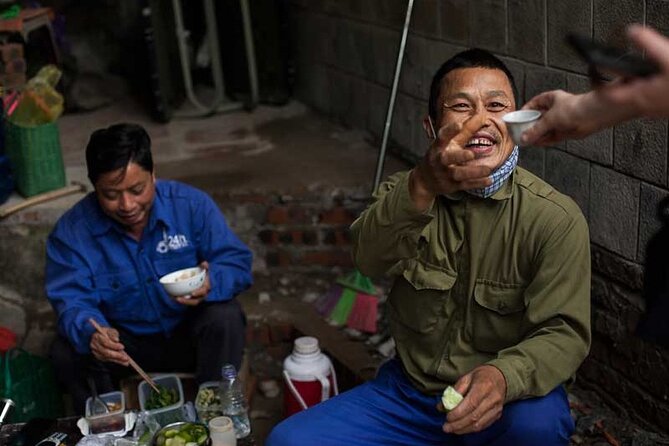
Along the way, you also get photo time around the ruins of Hoa Lu, Vietnam’s ancient capital area. Ruins can be tricky because they’re full of lines, textures, and partial walls—but that’s also why they’re great for photography.
This part of the day is useful if you don’t want every shot to be about water and cliffs. You’ll be able to frame stonework, gate-like openings, and the way greenery and weather sit on old structures. If your camera skills include shooting details (and not just wide shots), this is a good moment to focus on textures: cracked stone, worn edges, and layered shadows from uneven surfaces.
Practical advice: ruins reward patience. Instead of chasing one perfect angle, take a few minutes to reframe from different heights—ground level, mid level, and a bit higher if the spot allows it.
Stone carving at Ninh Van: photographing hands and limestone
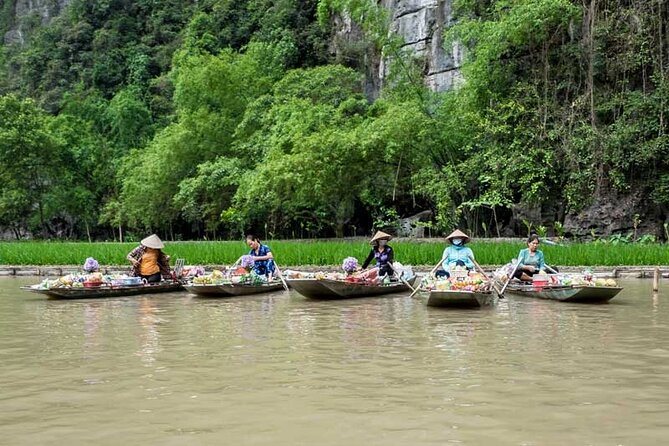
After lunch and coffee, the day shifts into craft-land. First is the Ninh Van stone carving village. This is a photographer’s favorite kind of subject: real makers working in a real workshop rhythm.
You’ll have time to capture locals carving statues and headstones by hand. The stone comes from limestone karst mountains in the region, which means your photos can connect the broader Ninh Binh setting to what’s being made here. That link helps your images feel like they belong together, not like random stops.
This is also where a small group matters. When you’re not packed shoulder-to-shoulder, you can get closer angles without getting in people’s way. Focus on the action: chisel hits, dust patterns, and the concentration in faces when attention narrows to a single line.
Good manners go a long way here. Keep space, watch where you’re pointing your camera, and give people a second if they need to step back or reset tools.

Ceramic making at Gia Thuy: clay-to-pot action shots
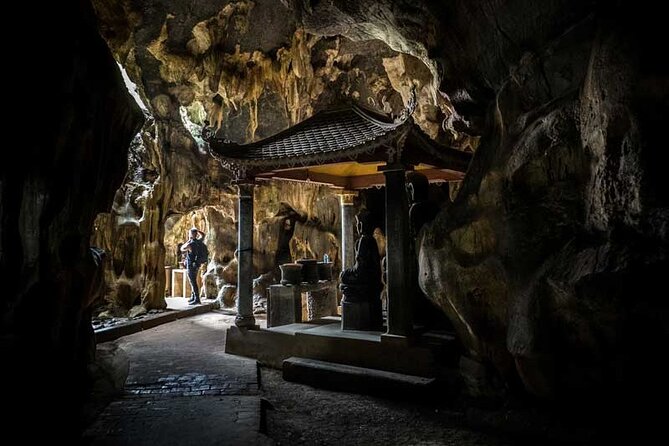
Next up is Gia Thuy ceramic village. Instead of just seeing finished products, you’re aiming your camera at the traditional manufacture of pots using local clay. That means you can photograph the process, not just the result.
This kind of setting gives you variety in your frames:
- hands shaping and smoothing
- tools at work
- textures of wet clay and fired surfaces
- atmospheric workshop light that can look dramatic in photos
Admission here is free, and that’s a nice bonus because it keeps the overall value strong.
If you’re new to action photography, ceramic work is a forgiving teacher. Movements are purposeful and repeatable, so you can practice timing—press, wait, shoot, refine—without feeling rushed.
Van Long Nature Reserve at sunset: buffalo dips and school bikes
For the last big photo push, you head to Van Long Nature Reserve. This is one of those end-of-day scenes where the light softens and the people scenes get real.
You’ll spend about 2 hours around the reserve and nearby village areas, where rural life shows up clearly near the water and dykes. The day’s focus here is action that looks everyday, not staged: farmers bringing cattle, buffaloes taking dips in rivers, and schoolchildren cycling home along the dykes.
From a photo standpoint, this is where you can mix portrait style with environmental framing. If you’ve been shooting mostly wide views earlier, Van Long can help you add human scale without forcing awkward poses.
Practical note: sunset timing can bring quick changes in light. Keep your camera ready, but don’t forget to look with your eyes for 10 seconds before you shoot. The calm moments are often where the best frames begin.
Photography coaching that goes beyond pointing
The tour’s real differentiator is the professional photographer leading your group and turning the day into a working photo workshop. The emphasis isn’t just on location. It’s on how to shoot: composition, exposure, and how to frame different subjects—water scenes, architecture, and portrait-style moments.
In past groups, guides have been praised for being patient and for giving specific advice on composition and exposure at key spots like the Hang Múa viewpoints. You’ll also benefit from the small group size, because it’s easier for the instructor to notice what you’re struggling with—camera settings, framing, or simply knowing where to stand.
This is also a good sign for mixed experience levels. When someone is coaching thoughtfully, it helps both beginner-curious participants and more confident photographers get something useful.
What to bring so the day feels easy
This is a full-day tour with an early start and active stops, so pack for comfort as much as for photos.
Bring:
- sturdy shoes for stairs and uneven ground
- a hat and sunscreen (sun comes fast early)
- a light rain layer if the weather looks questionable
- water plus any personal snacks (food and drinks are included, but you may want extra)
- your camera strap and a plan for carrying gear during climbs
If you’re using a tripod, think about practicality. The day involves boats, stairs, and tight spaces around craft activities. Sometimes a lighter setup helps you get more shots without slowing you down.
Also, bring extra batteries or charge management. You’ll likely shoot a lot across boats, viewpoints, workshops, and sunset.
Who this tour is best for (and who should reconsider)
This tour suits you if:
- you want a photo-focused day with an actual teacher, not just transportation
- you’re interested in variety: caves and boats, steps and viewpoints, ruins, crafts, and rural sunset scenes
- you enjoy early mornings and want to beat crowds
It may be less ideal if:
- you can’t handle a steep climb of 500 steps
- you prefer relaxed sightseeing with minimal instruction
That said, the tour is designed for a small group and includes breaks. If you take it at a steady pace, it still works well even when you’re not the fastest climber.
Should you book Ninh Binh Photo Explorer?
Book it if you want your Ninh Binh day to feel structured around photography, especially with the early Tam Coc timing and the end-of-day Van Long scenes. The mix of water, views, ruins, and hands-at-work crafts gives you lots of subject variety in one pass.
Skip it if you mainly want a chill day with no coaching and minimal physical effort. The 6:00 am start and the 500-step climb will shape your experience whether you’re a photographer or not.
If you’re an enthusiastic amateur or you’re learning how to control exposure and composition, this kind of guided photo time is exactly where you get faster.
FAQ
What time does the tour start?
The tour starts at 6:00 am, with pickup from Hanoi.
How big is the group?
It’s a private small group with a maximum of 6 people.
What is included in the price?
Food and drinks, national park entrance fee (where applicable), private transportation, and a professional photographer leader are included. Admission fees are included for Tam Coc and Van Long, while Hang Múa and the craft village visits are listed as free.
What are the main activities during the day?
You’ll do a boat trip through the valley caves at Tam Coc, climb up to the Hang Múa viewpoint with 500 steps, visit craft villages for stone carving and ceramics, and spend time at Van Long Nature Reserve near sunset.
How physically demanding is the tour?
You should have moderate physical fitness. Hang Múa includes a steep climb of 500 steps.
Can I cancel and get a full refund?
Yes. You can cancel for a full refund up to 24 hours before the experience’s start time. If you cancel less than 24 hours before, the amount paid won’t be refunded.