REVIEW · CITY TOURS
Hue: Royal Tombs & Imperial City Tour by Private Car
Book on GetYourGuide →Operated by Huế Tours and Transfers Company · Bookable on GetYourGuide
Hue can feel big and spread out, so this tour helps you move smart. I like the private car setup and the fact you can pick your own mix of stops without losing time. I also like having an English-speaking driver who can explain what you’re seeing along the way. One thing to think about: there’s no official guide, so you’ll rely on your driver’s explanations (and your own curiosity) for details—and entrance fees and meals aren’t included.
The best part for me is the flexibility. You choose from major sights like the Hue Citadel (UNESCO), royal tombs, Thien Mu Pagoda, plus options like an incense village or Dong Ba Market. The route and timing are up to you within a 2 to 8 hour window, with hotel pickup and drop-off so you don’t waste energy figuring out transport.
In This Review
- Quick hits before you go
- What this Hue tour is really like
- Price and value: $10 per person isn’t the whole cost
- Hotel pickup to Hue drop-off: the day feels low-stress
- Enter the UNESCO Hue Citadel (and know what you’re looking at)
- Royal tomb tour: Khai Dinh vs. Minh Mang vs. Tu Duc
- Khai Dinh Tomb: East meets West
- Minh Mang Tomb: classic design tied to nature
- Tu Duc Tomb: a thinker’s legacy with romance in the design
- Thien Mu Pagoda: Hue’s iconic spiritual landmark
- Tu Hieu Pagoda and meditation time (not just sightseeing)
- Hue’s abandoned water park? Thuy Tien Lake for the other side of history
- Hue Incense Village: make something you’ll actually remember
- Dong Ba Market: shop like a local, not just like a tourist
- How long should you schedule: 2, 4, 6, or 8 hours?
- The driver matters: English info and smart pacing
- What to bring (and what to skip)
- Should you book this Hue Royal Tombs and Imperial City tour?
Quick hits before you go
- Pick your own lineup: choose from up to 8 destinations depending on how long you want to be out.
- Comfort beats guessing: a private car with hotel pickup and drop-off keeps the day easy.
- UNESCO time: Hue Citadel connects you to the Nguyen imperial world in one place.
- Royal tomb variety: Khai Dinh’s East-meets-West style contrasts with Minh Mang’s classic design.
- Culture beyond temples: incense-making at Hue Incense Village and shopping at Dong Ba Market add texture.
- Bring sun protection: you’ll spend time outdoors, so pack a hat and sunscreen.
What this Hue tour is really like
This is one of those tours that works best when you want control. The driver picks you up at your hotel reception lobby, then you spend the day going where you want, not where a fixed group schedule dictates. If you’re the type who likes to linger at one tomb for photos or pause in the shade, this format fits.
You’ll be in a private group, so it’s not a squeeze with strangers and awkward pacing. It’s also a solid choice for first-timers to Hue, because many of the big sights are scattered. With a car and an English-speaking driver, you can focus on the places instead of the logistics.
Price and value: $10 per person isn’t the whole cost
At about $10 per person, the deal looks tempting—especially for private transport. But the real value comes from what’s included versus what’s extra.
Included essentials are hotel pickup and drop-off, a private car transfer, an English-speaking driver, mineral water, and local insurance. The driver can also provide information while you’re riding. That matters because Hue’s imperial sites can feel like a lot if you don’t know what you’re looking at.
What’s not included is equally important: meals, entrance fees, and a tour guide. So if you plan to visit multiple tombs and the Citadel, entrance costs will add up. My practical advice: budget for entries and keep meal plans flexible—either eat before you go, or grab something close to whichever stop you like most.
Also, a quick reality check from pricing comparisons: if you only want one or two sites and you’re comfortable arranging your own ride, a rideshare-style option can sometimes cost less. This tour tends to win when you want several stops, want smooth hotel pickup, and prefer not to negotiate anything in the moment.
Hotel pickup to Hue drop-off: the day feels low-stress
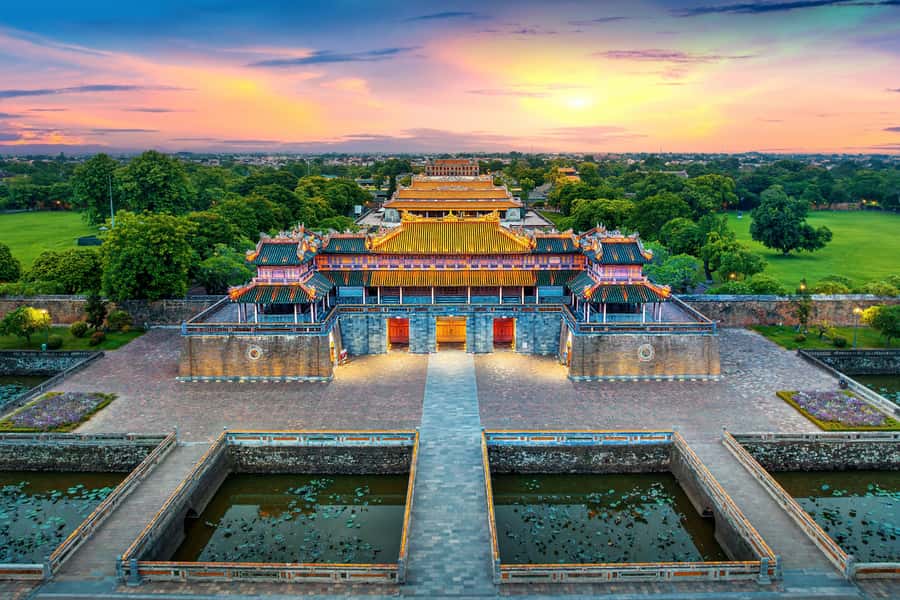
The tour starts and ends the easy way. Your driver comes to your hotel reception lobby to pick you up, then you’ll be dropped back at Hue Hotel. That sounds simple, but it’s a real time-saver in Hue, where sightseeing can eat up daylight fast.
Because the tour is private, the timing can be more forgiving than public-group tours. You’ll still want to plan your energy level: tombs and open-air spots take time, and you’ll be moving between sites.
Practical tip: bring a sun hat and sunscreen. You’ll be outside enough that you’ll feel it if you’re not prepared.
Enter the UNESCO Hue Citadel (and know what you’re looking at)
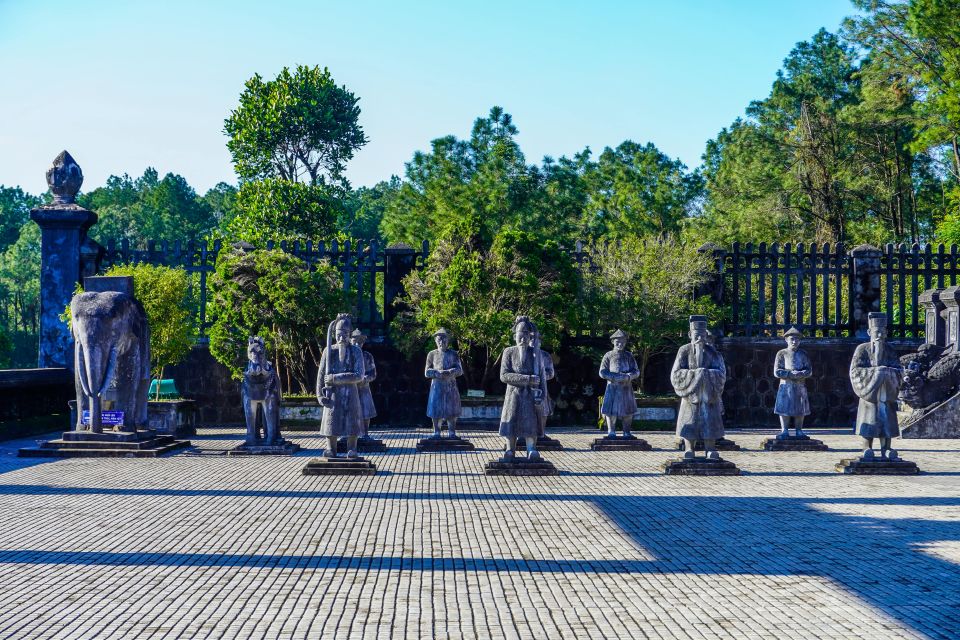
If you do only one imperial stop, make it the Hue Citadel. This is part of the Complex of Hue Monuments and was recognized as a UNESCO World Heritage site in 1993. The Citadel lets you connect the dots between royal power, palace life, and the wider Nguyen dynasty world.
Here’s why it’s worth your time: the Citadel covers the royal palaces of 13 Nguyen dynasty kings. You’re not just looking at one building—you’re reading a whole political landscape.
What I like about this stop in a private-car tour: it’s easy to pair. If you’re tired, you can limit time here and shift to smaller stops. If you’re energized, you can spend more time walking the grounds and absorbing the imperial layout.
What to watch for: without a dedicated tour guide, you may need to ask the driver what matters most before you start walking. If you have questions—like how the palace area relates to the tombs—it’s a great moment to use that English-speaking driver.
Royal tomb tour: Khai Dinh vs. Minh Mang vs. Tu Duc
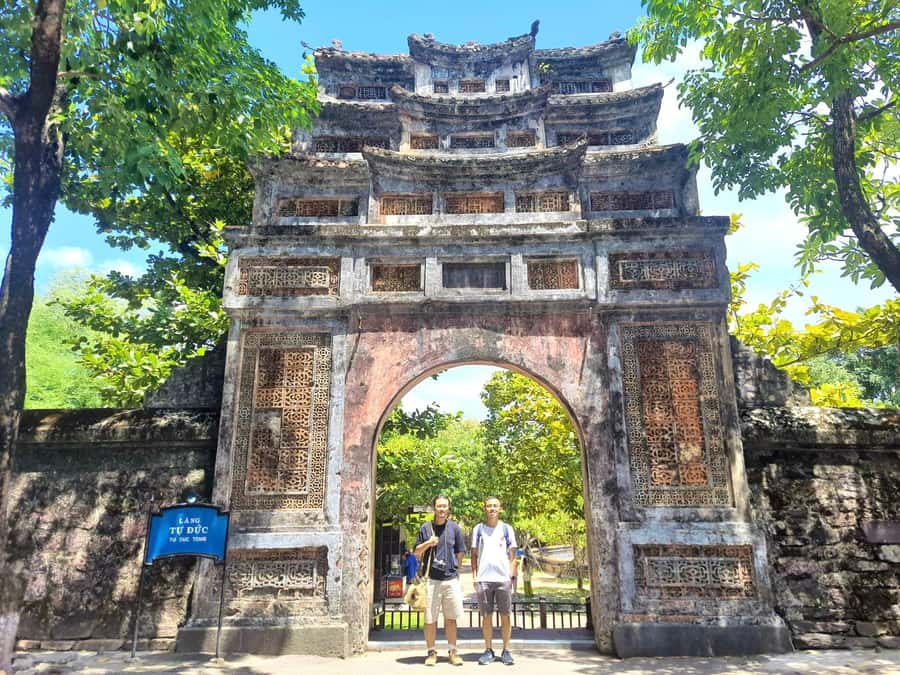
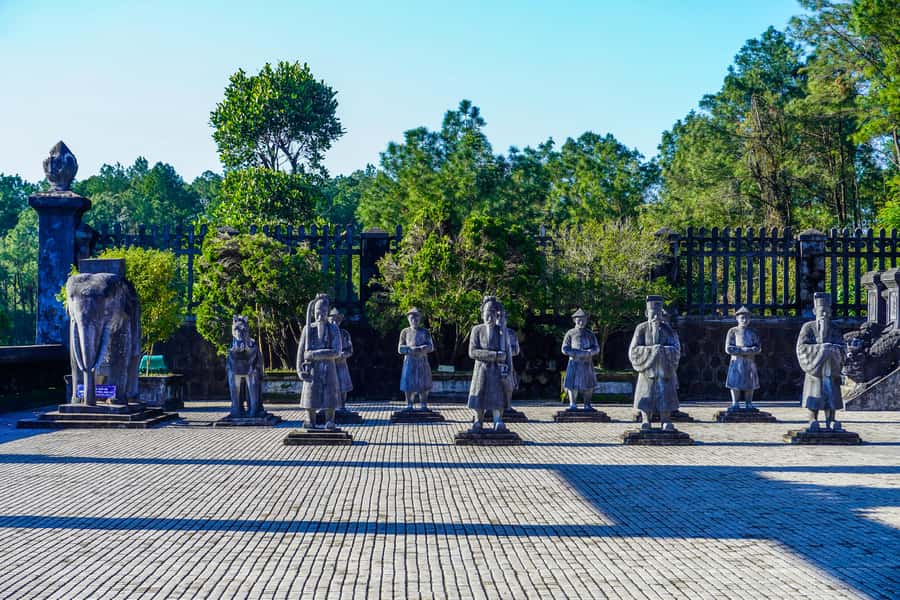
Hue’s tombs aren’t cookie-cutter. They’re built as statements—about authority, taste, and how each emperor wanted to be remembered. This tour lets you compare them instead of seeing just one.
Khai Dinh Tomb: East meets West
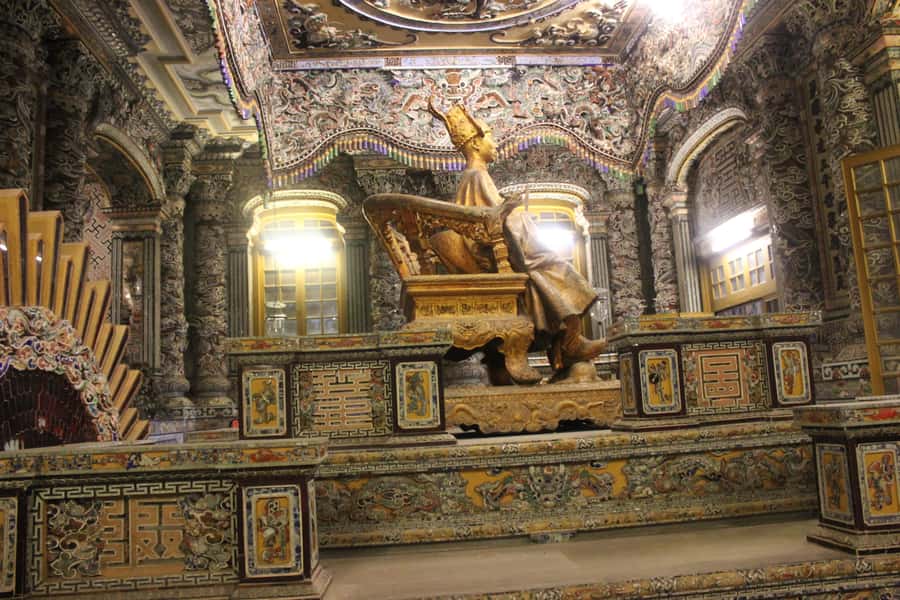
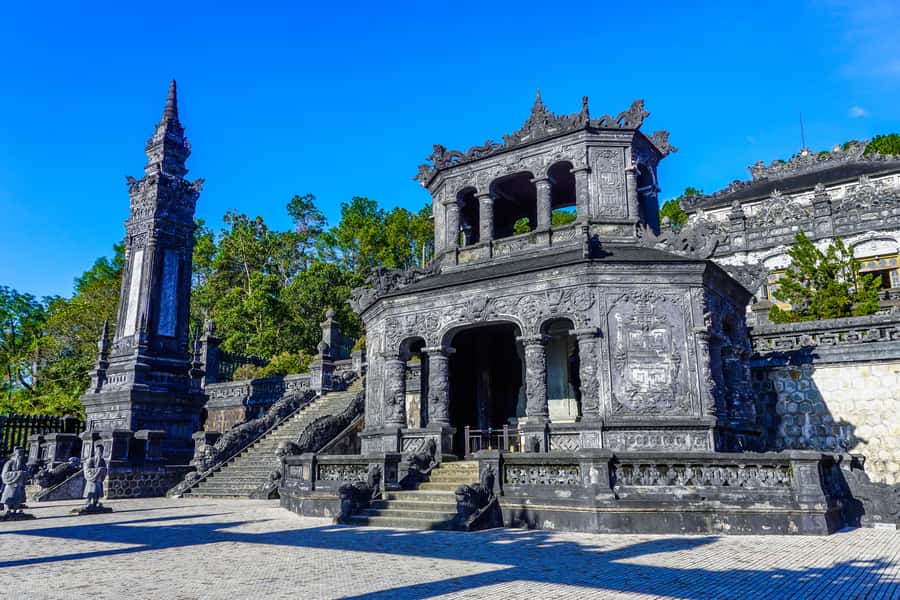
Khai Dinh Tomb is the final resting place of Emperor Khai Dinh. What makes it memorable is the fusion of Eastern and Western architectural styles, plus impressive artwork and decorations. The result is a tomb that feels like it has layers of intention—traditional roots with something different mixed in.
If you’re the type who loves photo details, this is your stop. Just know it can be visually busy, so pace yourself and spend a little time letting the artwork register.
Minh Mang Tomb: classic design tied to nature
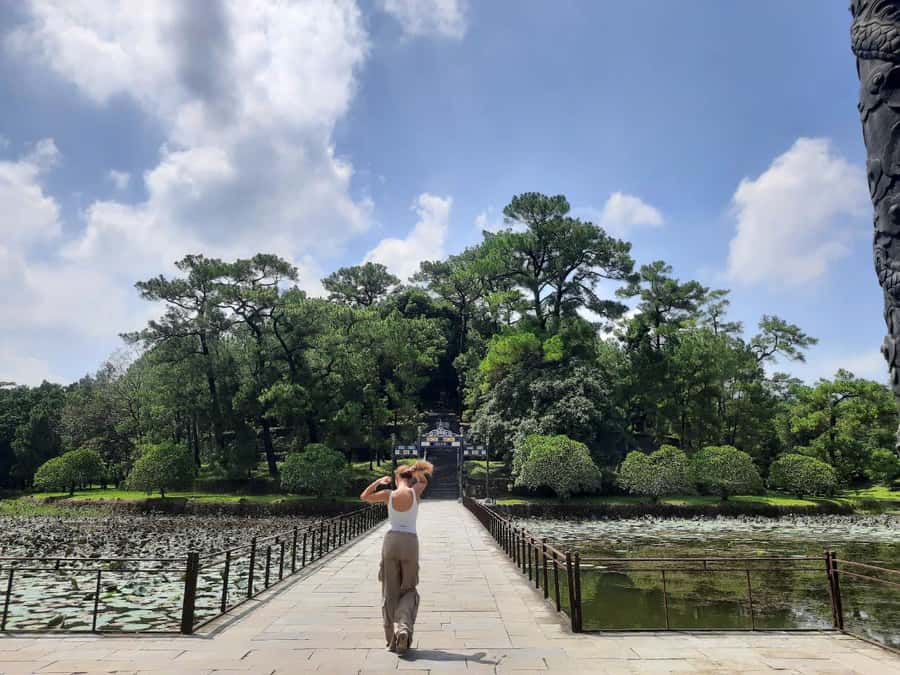
Minh Mang Tomb is the royal tomb of Emperor Minh Mang. The big idea here is tradition: its classical design is described as unmatched by other royal tombs, and it integrates with the surrounding natural environment.
This one can be a calmer contrast to Khai Dinh. You’re looking at how imperial design connects to place, not just how it looks. If you like architecture that feels grounded, Minh Mang is a strong pick.
Tu Duc Tomb: a thinker’s legacy with romance in the design
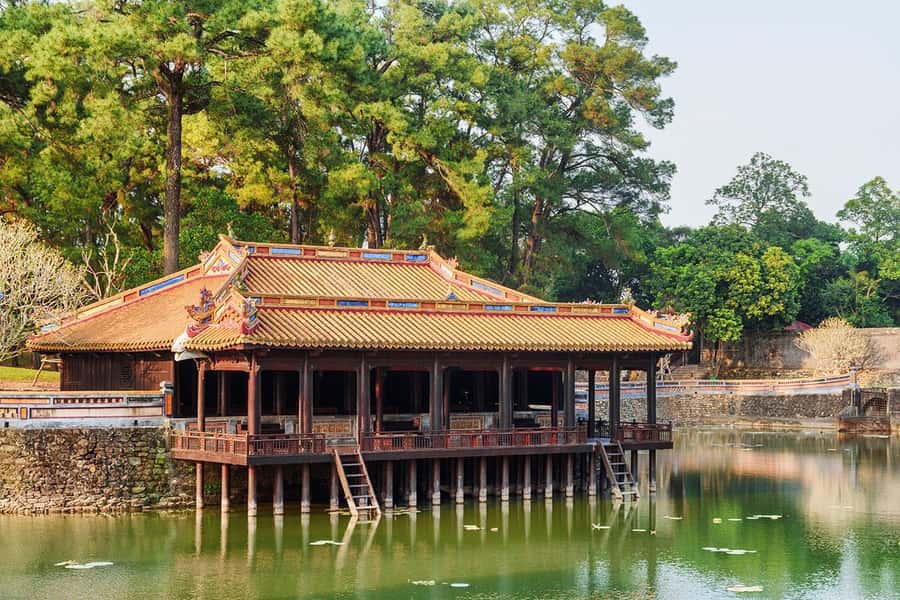
Tu Duc Tomb is often described through the emperor’s personality: the design reflects his knowledge and romance. That wording matters because the tomb experience isn’t just about scale—it’s about mood.
This stop tends to work well if you want a break from intense walking. It’s also a good choice if you’re hoping to see tombs as cultural storytelling, not only as monuments.
Thien Mu Pagoda: Hue’s iconic spiritual landmark
One of the highlights is the Thien Mu Pagoda. It’s the sort of place that becomes a reference point for the whole city—whether you’re into temple architecture, Buddhist culture, or just want a meaningful pause.
In this tour format, Thien Mu Pagoda is practical: it fits well into a longer day that includes the Citadel and a tomb or two. And it gives your afternoon a different flavor than the imperial grounds.
Tu Hieu Pagoda and meditation time (not just sightseeing)
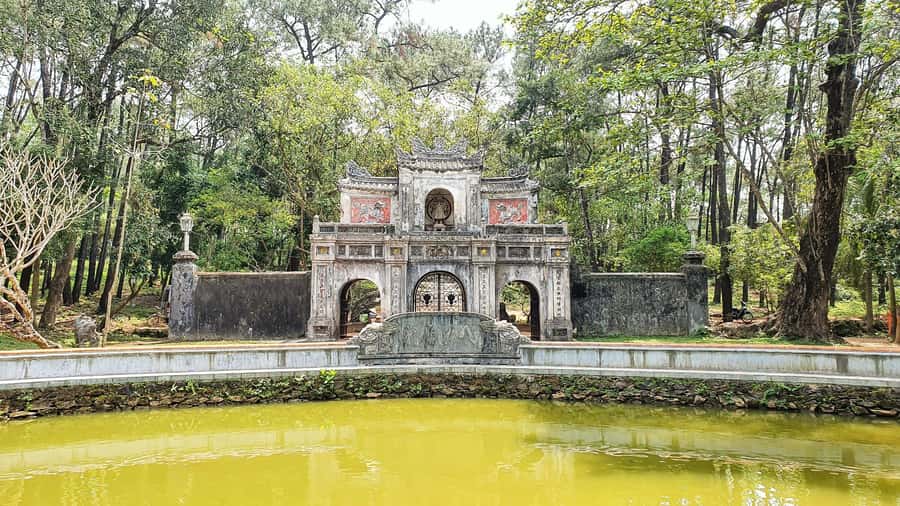
If you want a quieter moment, Tu Hieu Pagoda is a standout option. It’s known as the famous root pagoda of Zen master Thích Nhất Hạnh. The site isn’t only for monks leading an awakening life; it’s also for anyone who wants a serene haven to escape busy routines or to learn meditation.
I like this stop on tours because it adds balance. After hours of imperial stone and royal symbolism, Tu Hieu gives you a place where the vibe is about slowing down. Plan for a slightly more reflective pace, not a checklist pace.
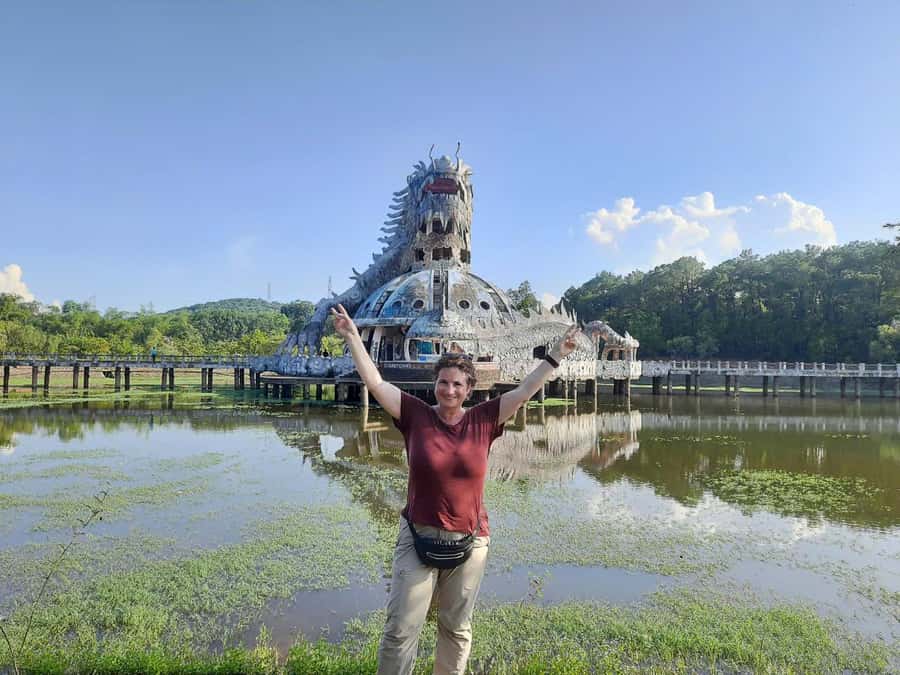
Hue’s abandoned water park? Thuy Tien Lake for the other side of history
Thuy Tien Lake is listed here as an abandoned water park, known for magical and mysterious beauty. If that sounds like your kind of “odd stop,” it can add variety to an otherwise very formal day.
Just be realistic: this isn’t presented as a polished, ticketed “attraction moment” in the same way as the Citadel. It’s an atmospheric detour. If you want only major temples and royal tombs, you can skip it.
Hue Incense Village: make something you’ll actually remember
If you want a hands-on cultural experience, Hue Incense Village is a great option. It’s famous for incense-making for more than 700 years. The visual pull is the bright, colorful incense bouquets, which attract lots of visitors.
What makes this stop valuable on a private-car tour: you’re not just watching. You can learn to make incense with artisans there, and the artisans are described as very friendly and approachable.
A practical way to think about it: this is a souvenir that isn’t generic. It’s linked to a tradition, and it comes with a story you can tell later.
Dong Ba Market: shop like a local, not just like a tourist
Dong Ba Market is a vibrant hub where you can experience local life and browse goods. It’s also an ideal place for Vietnamese cultural items and souvenirs.
Two details make this market especially interesting: it features an iconic old bell tower and is made up of nine interconnected buildings. That layout makes it feel more like a network than one single shopping hall, so you may enjoy wandering at your own pace.
The balanced note: markets are busy places, so be ready to take it slow. If you’ve had enough crowds, you can spend less time here and focus on quieter stops.
How long should you schedule: 2, 4, 6, or 8 hours?
You can choose a tour length from 2 to 8 hours, based on the number of destinations you want. The key is matching time to your goals.
- 2 hours works best for one major site plus a smaller add-on (like the Citadel plus a quick stop).
- 4 hours is a sweet spot for a tomb pairing plus a cultural stop.
- 6 to 8 hours lets you combine multiple tombs, the pagoda, and time for the market or incense village.
If you like choosing slowly, don’t pack the schedule too tightly. The payoff of this tour is flexibility. If you cram it, you lose the benefit.
The driver matters: English info and smart pacing
This kind of tour lives and dies by the driver’s ability to communicate and adapt. In the available experience, drivers like Khanh and Anh are described as speaking strong English and sharing information during the drive. That can transform a self-guided day into something more meaningful.
Ask for help early. On the ride from stop to stop, tell the driver what you care about most—architecture, temple life, imperial symbolism, shopping. Then you’ll get better suggestions and you won’t feel like you’re just shuffling from one entrance to the next.
What to bring (and what to skip)
For this tour, pack light but smart:
- Sun hat
- Sunscreen
You’ll get mineral water, but additional drinks aren’t provided. And meals aren’t included, so plan an eating window around your chosen stops.
Also note: it’s not suitable for wheelchair users, based on the activity’s stated accessibility limitations.
Should you book this Hue Royal Tombs and Imperial City tour?
Book it if you want a smooth, flexible day in Hue with hotel pickup, a private car, and an English-speaking driver—especially if you’re aiming to see several major sights rather than just one.
Skip or consider alternatives if you need a dedicated tour guide for deep historical context, or if you’re mainly after a low-cost ride with no extras. The price can be good, but remember entrance fees and meals are on you, so the final cost depends on how many sites you choose.
My best-fit recommendation: first-timers, couples, small groups, and anyone who likes structure without rigid pacing. You’ll get the big imperial anchors like the Hue Citadel and a royal tomb contrast, then you can customize with something more personal—like incense-making or browsing Dong Ba Market.