Train Street in Hanoi is unlike anywhere else. This private day tour strings together big landmarks and oddly specific local life, with small-group comfort (up to 14) and an English-speaking guide who helps you connect the dots. One thing to plan around: Ho Chi Minh Mausoleum has tight hours and strict dress rules, so late starts or wrong clothes can slow you down.
I also like that the tour is built for real logistics, not just checklists: round-trip pickup from the Hanoi Opera House area, an air-conditioned vehicle for hop-to-hop travel, and key tickets handled as part of the package. The schedule moves, but it stays manageable—just be ready for an 8-hour day that’s heavy on sights and light on downtime.
In This Review
- Key things worth knowing before you go
- Price and logistics: what $95 really buys in Hanoi
- Starting point at Hanoi Opera House: easy to find, easy to return
- Stop 1: Ho Chi Minh’s Mausoleum (morning-only rules that you must respect)
- Stop 2: One Pillar Pagoda—small structure, big symbolism
- Stop 3: Hanoi Train Street—tea, timing, and the choreography of watching
- Stop 4: Tran Quoc Pagoda—Hanoi’s older spiritual anchor
- Stop 5: Quảng Phú Cầu incense village—craft technique and serious scent
- Stop 6: Long Biên Bridge and Long Biên Station—rail history you can walk on
- Stop 7: St. Joseph’s Cathedral—quick look, Old Quarter context
- Where Hoàn Kiếm Lake and Ngọc Sơn Temple fit in
- Lunch and breaks: what’s included and what to budget
- The biggest “watch-outs” that actually affect your day
- Who this tour suits best
- Should you book this Hidden Corners, Train Street, and Incense Village tour?
- FAQ
- What time does Ho Chi Minh’s Mausoleum open?
- Is there a dress code for the mausoleum?
- When is the mausoleum closed for maintenance?
- How long is the tour?
- How many people are in the group?
- What’s included in the price?
- Are drinks included with lunch?
- Is the Train Street stop included with food or drinks?
- Is this tour private or shared?
- Can I cancel and get a full refund?
Key things worth knowing before you go
- Small-group limit of 14 keeps the day feeling social without turning it into a cattle call
- English-speaking guidance gives context for big sites like Ho Chi Minh Mausoleum and pagodas
- Train Street includes tea (or egg coffee), which helps break up the busy back-and-forth
- Incense village stop at Quảng Phú Cầu is hands-on craft time, plus photo-friendly moments
- Air-conditioned round-trip transfers make the long city distances less draining
Price and logistics: what $95 really buys in Hanoi
At $95 per person for an ~8-hour private tour, the main value isn’t just that you’re seeing famous places. It’s what’s bundled in: pickup and transfers, an English-speaking guide, entrance tickets, lunch, and tea or egg coffee tied to the Train Street stop.
That matters in Hanoi, where getting around can chew up time—especially when you’re bouncing between Old Quarter sights and places farther out like Long Bien and Quảng Phú Cầu. An air-conditioned vehicle plus a driver who knows the route takes the “where do we go next?” stress off your shoulders.
This is also limited to 14 travelers, and it’s described as private—meaning your group only participates. In practice, that usually translates to fewer awkward crowd-shuffles and a better chance to ask questions when you want them.
You can also read our reviews of more private tours in Hanoi
- Doris Cruise 5 star cruise 2 days visiting Halong Bay Lan Ha Bay private balcony
★ 5.0 · 2,338 reviews

Starting point at Hanoi Opera House: easy to find, easy to return
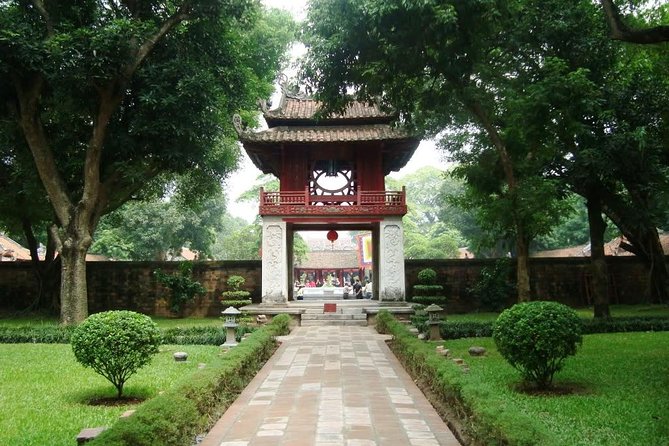
The tour starts back at Hanoi Opera House (1 Tràng Tiền, Phan Chu Trinh, Hoàn Kiếm) and returns there at the end. That’s a smart choice if you’re staying in the Old Quarter, because it reduces the risk of a long walk to a meeting spot.
If you’re planning your day, keep your morning flexible. This tour begins with a time-sensitive stop (Ho Chi Minh Mausoleum), so being early helps.
Stop 1: Ho Chi Minh’s Mausoleum (morning-only rules that you must respect)
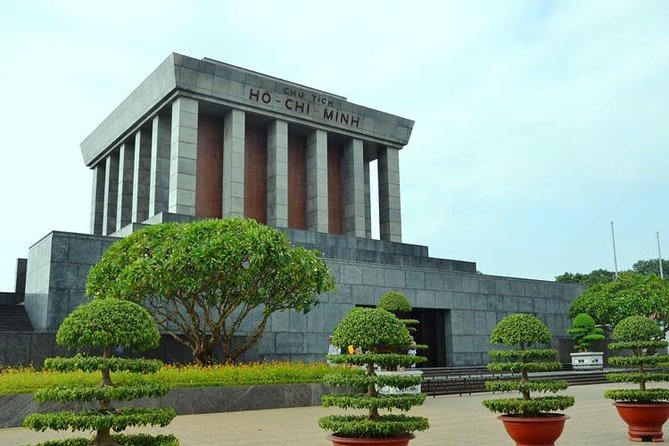
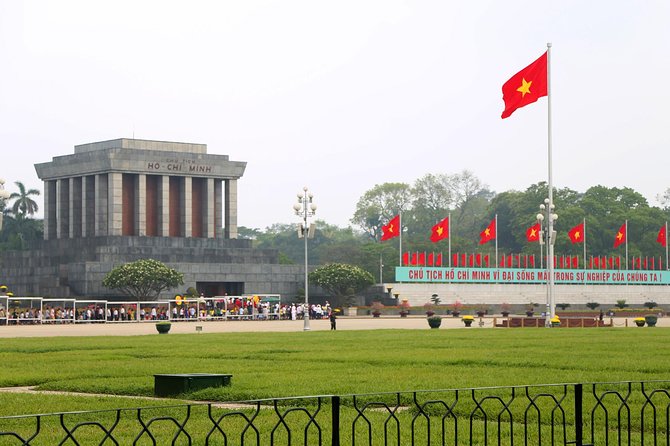
The day kicks off at Ho Chi Minh’s Mausoleum, and this is the part that can make or break your experience if you ignore the rules.
Here’s what you need to know:
- Open 8:00 AM–11:30 AM
- Closed weekly on Monday and Friday
- Closed yearly from June 10 to August 12 for maintenance
- Dress modestly: shoulders must not be open
- Shorts need to reach the knees at this stop
- All passengers must follow the dress expectations for entry
This is also scheduled for about 1 hour, including admission. The visit isn’t long, but it’s meaningful, and timing matters. If you show up out of sync with opening hours, you may lose access and scramble to adjust.
Practical tip: pack a light layer for your shoulders. Even in warm weather, that one habit can save you from stress at security.
Stop 2: One Pillar Pagoda—small structure, big symbolism
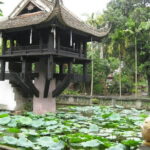
Next is One Pillar Pagoda, visited for about 20 minutes. It’s known for its religious meaning and legend: the pagoda is linked to a story about a fatherless emperor who dreamed of the structure, tied to the goddess of Mercy.
Even if you’re not a temple expert, you’ll feel the point: this is a place where Vietnamese spiritual life gets expressed through a simple, memorable form. Because the time here is short, you’ll want to focus on the meaning rather than trying to photograph everything.
Stop 3: Hanoi Train Street—tea, timing, and the choreography of watching
Then comes the headline you’re likely here for: Hanoi Train Street. The tour includes an entrance point and plans around about 40 minutes at the area, with tea (or egg coffee) included.
What makes Train Street special is how it forces you to see Hanoi’s everyday life differently. The rail lines are real, and the “street” part feels almost unreal until you’re standing there. You’ll typically be watching for the train, but the bigger lesson is what the scene shows: old infrastructure, daily routines, and local adaptation in the same narrow space.
If you want photos, plan your expectations. People move fast there. Keep your phone handy, but also spend a bit of time simply watching the rhythm—how locals and visitors react, how quickly the environment shifts.





Stop 4: Tran Quoc Pagoda—Hanoi’s older spiritual anchor
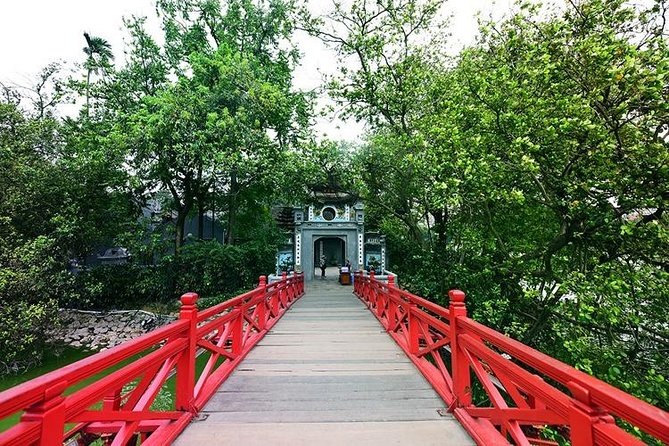
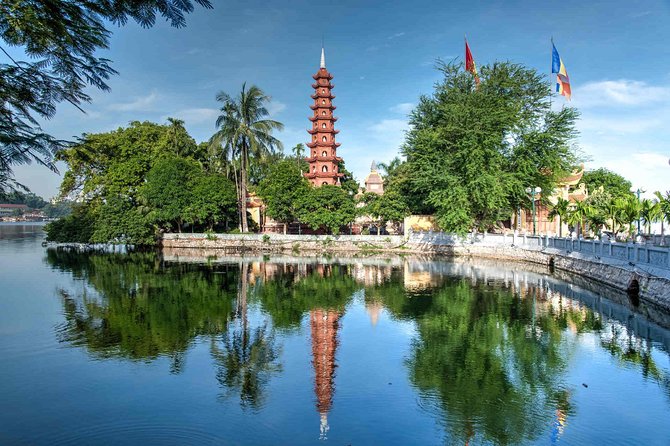
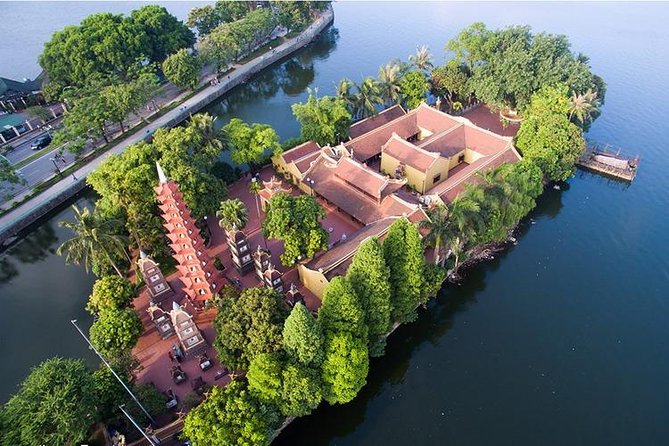
After the more chaotic Train Street energy, the tour shifts to Tran Quoc Pagoda for about 30 minutes. This pagoda is described as Hanoi’s oldest, built during the 6th century under Emperor Ly Nam Đế, and it’s associated with long spiritual continuity.
Why I like this stop: it gives your brain a breather. You go from rail lines and crowd focus to something more reflective and historically grounded. It’s the kind of contrast that makes the rest of the day click—Hanoi isn’t only modern surprises.
Stop 5: Quảng Phú Cầu incense village—craft technique and serious scent
Next you’ll head to Quảng Phú Cầu incense village (tăm hương). The plan includes about 1 hour here, with an admission ticket included.
This stop isn’t just scenic. It’s about process. You’ll learn the technique of making incense sticks traditionally, and yes, you’ll also have plenty of moments that are naturally photo-friendly. The big sensory component is the smell—incense is part of how the village earns its reputation, so if you’re sensitive to strong fragrance, keep that in mind.
Value-wise, this is where a guided explanation helps. If you just walk through, incense-making can look like a “smoke-and-stick” craft. With a guide, you understand it as a livelihood and a cultural practice, tied to daily worship.
Stop 6: Long Biên Bridge and Long Biên Station—rail history you can walk on
The tour then goes to Long Biên Station and Long Biên Bridge, about 30 minutes total. This is another railway-centered moment, but it feels different from Train Street.
Instead of a trendy, narrow-life scene, this is about heritage. The bridge is described as French colonial-era and the station is one of Hanoi’s older railway stations. The stroll across the bridge gives you a broader view of the city and makes the “railway story” of Hanoi feel more complete.
If you care about how cities change around infrastructure, this is worth paying attention to. It’s also a good place to slow down, because you’re moving at a calmer pace than at Train Street.
Stop 7: St. Joseph’s Cathedral—quick look, Old Quarter context
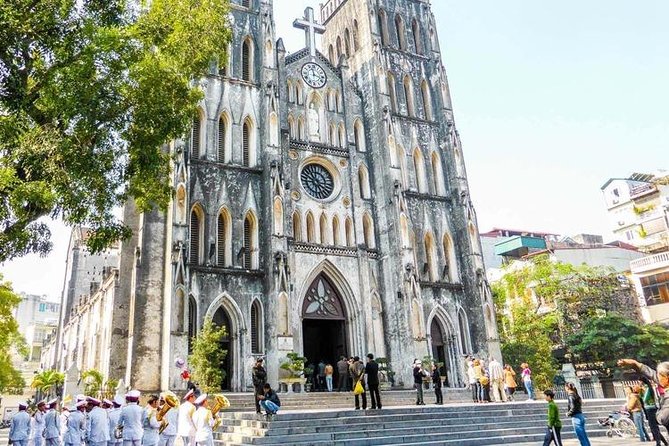
Finally, you get a brief stop at St. Joseph’s Cathedral, described as neo-Gothic and often compared to Notre-Dame. It’s a 10-minute look, and admission is free.
This is a shorter visit, so I treat it like a signpost: it helps you understand the French architectural layer in Hanoi’s mix of cultures. If you’re the type who likes to see the building, get a photo from a good angle, and move on, this stop fits perfectly.
Where Hoàn Kiếm Lake and Ngọc Sơn Temple fit in
The tour overview also points to time around Hoàn Kiếm Lake and Ngọc Sơn Temple. Those are some of the most central, iconic Old Quarter-area sights. Even if the day is heavy with other stops, this is where you likely feel the classic postcard Hanoi vibe—lakeside atmosphere and a temple setting that anchors the city’s spiritual and historic identity.
It’s a helpful balance: one part grand national history, one part rail life, one part quiet pagoda energy, and one part Old Quarter symbolism.
Lunch and breaks: what’s included and what to budget
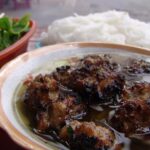
Lunch is included and the menu is described as rice noodle soup with chicken or another option, served with the day’s pacing in mind. Drinks during lunch are not included, so you may want to budget a little for water or soft drinks separately.
Also included: tea (or egg coffee) on Train Street. Even if you’re not a coffee person, tea breaks up the pace and helps keep the day comfortable when the schedule runs tight.
The biggest “watch-outs” that actually affect your day
This tour is well structured, but there are a few things that matter in real life:
Mausoleum rules aren’t optional. Plan clothes that cover shoulders, and wear shorts that reach the knee. Bring a thin layer if you tend to dress light.
Timing is part of the experience. Ho Chi Minh Mausoleum is morning-only, and it’s one of the first stops. If you’re late, it’s not just inconvenient—it can affect access.
Train Street is intense. It’s a narrow, attention-heavy spot. If you want a calm visit, know that the point of this stop is watching and photographing in a lively setting.
Incense village is sensory. If incense scent bothers you, be prepared.
Who this tour suits best
I think this Hanoi private tour is a strong match if you want:
- A single day that covers major sights plus local oddities
- An English-speaking guide to explain what you’re seeing (so you don’t just stand and snap photos)
- A balance of pagodas and history, with railway stops that show Hanoi in a different light
- Fewer hassles thanks to pickup, transfers, and included tickets
It’s especially good for first-timers who feel overwhelmed by planning. It’s also good if you already know the standard Old Quarter highlights and want a more “Hanoi-specific” day.
If you’re the type who hates schedule pressure, you might find the pacing a bit brisk. But the stops are varied enough that the day doesn’t feel repetitive.
Should you book this Hidden Corners, Train Street, and Incense Village tour?
Yes, I’d book it if you want a one-day Hanoi sampler that’s not just temples or not just streets. The mix is the point: Ho Chi Minh Mausoleum sets the national-history tone, One Pillar Pagoda adds spiritual context, Train Street delivers the unforgettable wow factor, Tran Quoc Pagoda slows things down, Quảng Phú Cầu gives you craft and culture, and Long Biên adds rail history in a calmer way.
My only hesitation is the mausoleum timing and dress rules. If your travel style can’t handle that kind of constraint, or if you’ll be arriving without flexibility, choose a different tour.
If you do go: wear the right clothes, keep your morning tight, and treat Train Street as a moment to watch the city’s rhythm, not just a photo stop.
FAQ
What time does Ho Chi Minh’s Mausoleum open?
It opens in the morning from 8:00 AM to 11:30 AM and it’s closed weekly on Monday and Friday.
Is there a dress code for the mausoleum?
Yes. You need to dress modestly: shoulders must not be open, and shorts must be knee length when visiting Ho Chi Minh’s Mausoleum.
When is the mausoleum closed for maintenance?
The mausoleum is listed as closed from June 10 to August 12 yearly.
How long is the tour?
The tour runs for about 8 hours.
How many people are in the group?
The experience is limited to 14 travelers.
What’s included in the price?
Included are private round-trip transfers in an air-conditioned vehicle, an English-speaking guide, entrance tickets, lunch (rice noodle soup), and tea or egg coffee on Train Street.
Are drinks included with lunch?
No. Drinks during lunch are not included.
Is the Train Street stop included with food or drinks?
Yes. The plan includes tea (or egg coffee) on the Train Street portion.
Is this tour private or shared?
It’s described as a private tour/activity, meaning only your group will participate (within the small-group limit).
Can I cancel and get a full refund?
Yes. You can cancel for a full refund up to 24 hours in advance of the experience start time.
You Might Also Enjoy




More Private Tours in Hanoi
- Doris Cruise 5 star cruise 2 days visiting Halong Bay Lan Ha Bay private balcony
★ 5.0 · 2,338 reviews


More Tours in Hanoi
- Ninh Binh Full-Day Tour from Hanoi to Hoa Lu, Tam Coc & Mua Cave Via Boat & Bike
★ 5.0 · 4,384 reviews