REVIEW · HANOI
Hanoi Old Quarter Vibes: A Youthful Journey
Book on GetYourGuide →Operated by EFIS VIET NAM EDUCATION CONSULTING AND TRAINING COMPANY LIMITED · Bookable on GetYourGuide
Hanoi moves at sidewalk speed. This 4-hour Old Quarter walk strings together 36 Pho Phuong Street street-name stories, classic house details, and temple stops with a friendly English guide from local students. I especially like the way the tour explains why the Old Quarter’s streets have the names they do, tied to older trades and neighborhood life.
I also like the contrast: Dong Xuan Market for everyday smells and shopping energy, then Buddhist temples like White Horse Temple and other sacred sites that add context to what you’re actually seeing. The one drawback to keep in mind is that it’s mostly walking, and you’ll need to dress appropriately for temple visits (no tank tops and no shorts above the knee).
In This Review
- Key things you’ll love on this Hanoi Old Quarter tour
- The $5 group walk that actually delivers value
- Starting at 36 Pho Phuong Street: the Old Quarter’s street-name cheat sheet
- Traditional house details and the 87 Ma May architecture lesson
- White Horse Temple and Buddhist stops: what to respect and notice
- Dong Xuan Market: everyday life, not a tourist-only performance
- Ho Chi Minh’s residence area: No.48 Hang Ngang Street on foot
- Egg coffee at Giang or Dinh: what’s possible, and how to plan
- Flexible timing and customizing your route
- What the group size and guide style mean for your experience
- Dress code and walking notes that save you hassle
- Who should book this Hanoi Old Quarter Vibes tour?
- Should you book this Hanoi Old Quarter Vibes tour?
- FAQ
- Is pickup provided for this tour?
- How long is the Hanoi Old Quarter tour?
- What does the tour include?
- Is egg coffee included in the tour price?
- Are entrance fees included for additional stops?
- What’s the dress code for temples?
Key things you’ll love on this Hanoi Old Quarter tour
- Street-name storytelling on 36 Pho Phuong Street so the Old Quarter feels less random
- White Horse Temple and other pagodas that explain the spiritual side of the neighborhood
- Dong Xuan Market for a real look at daily life, not just photo stops
- 87 Ma May house context (and why traditional architecture looks the way it does)
- No.48 Hang Ngang Str (Ho Chi Minh’s residence area) on foot, without complicated transfers
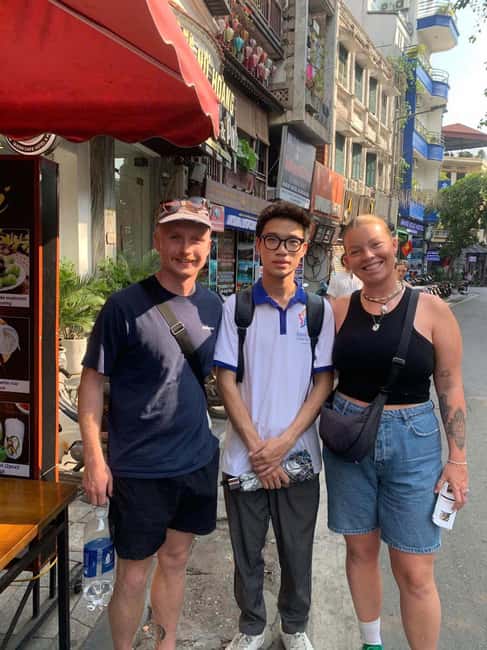
- Small-group feel (up to 10) with a local student guide in blue-and-white uniforms
The $5 group walk that actually delivers value

Price matters in Hanoi. This tour is priced at about $5 per group (up to 10 people) for a 4-hour experience, which is a rare setup where your money goes toward a real walking route and a live guide, not a bus ride. Since the stops are close together, you also avoid the usual time drain of transportation logistics.
What you’re paying for here is interpretation: someone local enough to connect street-level details to the bigger story of the Old Quarter. A cheap walking tour can still disappoint if it’s just pointing and marching. This one feels different because it focuses on what to notice—street names, house features, and temple etiquette—so you leave with better understanding than when you started.
You’ll also want to know the tour is English live guided, and the guides are local students in blue and white uniforms. In practice, that means you get a real conversation tone, not a stiff lecture.
You can also read our reviews of more tours and experiences in Hanoi.



Starting at 36 Pho Phuong Street: the Old Quarter’s street-name cheat sheet
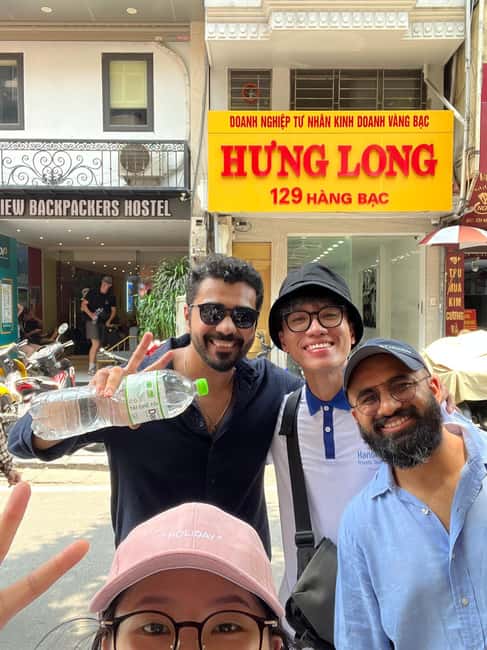
Your tour begins in the heart of the Old Quarter on the famous 36 Pho Phuong Street. This is the kind of landmark that’s easy to walk past. With a guide, it turns into a map lesson.
Here’s what I like about this start: the tour connects street names to the neighborhood’s older trade history. The Old Quarter wasn’t just a place to live; it was also organized around specialties. So when you hear a street name tied to a trade, you start noticing patterns in how the area functions even today—shops, tools, and the way storefronts cluster.
If you’ve ever felt confused in the Old Quarter, this part helps. You get a mental framework fast: the streets are named for a reason, and the guide helps you see how that reason shaped daily life.
Traditional house details and the 87 Ma May architecture lesson
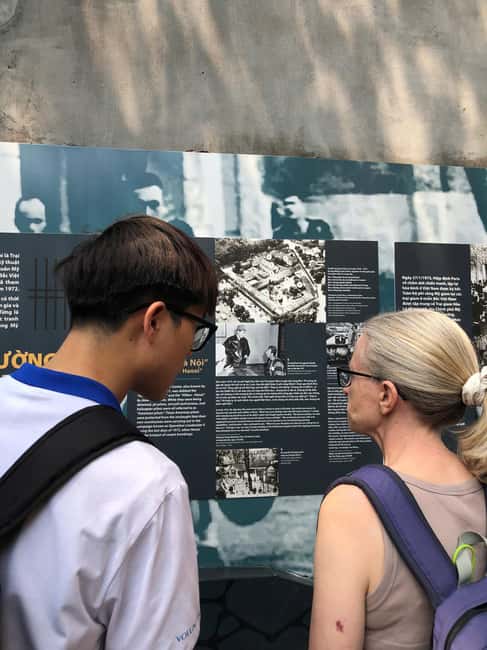
From street-name context, the walk shifts into architecture. You’ll see classic house forms with intricate carvings and tiled roofs, plus smaller-scale façades that show how space worked in older Hanoi.
This is where the tour becomes visual. When you’re standing in front of a narrow townhouse, it helps to know what to look for. Focus on the carved details around doorways, the way roofs are shaped, and how the façade balances decoration with tight dimensions. The guide’s explanations turn those features from random ornament into something you can actually read.
The tour also spotlights the 87 Ma May house as a key example of traditional Hanoi architecture. Important detail: the tour information says the visit to the Ancient House at 87 Ma May Street is not included. That doesn’t mean you won’t hear about it—you’ll likely get the architectural context and then you can decide separately if you want to pay for an entrance on your own.
If you’re trying to prioritize time and cost, this is a smart way to do it: you get the “why it matters” explanation first, then you decide whether it’s worth paying to go inside.
White Horse Temple and Buddhist stops: what to respect and notice
The Old Quarter isn’t only about markets and narrow streets. It also has a spiritual rhythm, and the tour makes room for that with temple visits.
One included stop is White Horse Temple. The tour also highlights other sacred places such as Bach Ma Temple and Quan Đế Temple, described as having hallmarks of Buddhist architecture. Even if you’ve visited pagodas elsewhere, the best part of this segment is that you don’t just walk in and out for pictures. You learn what the space is for and what to pay attention to.
Practical etiquette matters. The tour info is very clear: when you enter spiritual attractions like pagodas and temples, dress appropriately—no tank tops and no shorts above the knee. This is not just for rules. Wearing the right clothing helps you blend in, and it keeps the visit respectful.
When you’re there, look beyond the main entrance. Notice how religious buildings are composed, how the interiors feel calmer than the street outside, and how the guide connects what you see to Vietnamese spiritual life. That contrast—the quiet inside, the street noise outside—is part of why this tour works.
Dong Xuan Market: everyday life, not a tourist-only performance

After temples, you head toward Dong Xuan Market, and the mood changes fast. This is one of those stops where your senses do half the guidebook reading. You’ll see a kaleidoscope of colors and smells, with vendors working right in front of you.
The value of including Dong Xuan Market is that it anchors the tour in daily life. Sure, you can shop, but the real win is learning how to interpret what you’re seeing. The tour encourages you to engage with vendors and learn about local ingredients. That can mean tasting something small if available, or simply asking what something is and how it’s used.
If you like markets, this stop will feel satisfying. It also gives you a chance to pick up something practical or small to remember the trip without making it an entire shopping project.


Ho Chi Minh’s residence area: No.48 Hang Ngang Street on foot
A standout included stop is No.48 Hang Ngang Str, listed as Ho Chi Minh’s residence. Even if you’re not a history superfan, it’s a meaningful stop because it places Vietnam’s modern story into the same Old Quarter geography you’re already walking through.
This kind of location works well on a walking tour for one reason: you experience it at street level. You’re not seeing it through a vehicle window or from a distance. You’re seeing how major historical sites live inside a living neighborhood.
A practical note: this is an included visit, so you should expect time spent there as part of the 4-hour schedule. If you’re prone to lingering too long in shops, set a gentle pace so you don’t run out of time later—especially if you’re also curious about egg coffee add-ons.
Egg coffee at Giang or Dinh: what’s possible, and how to plan
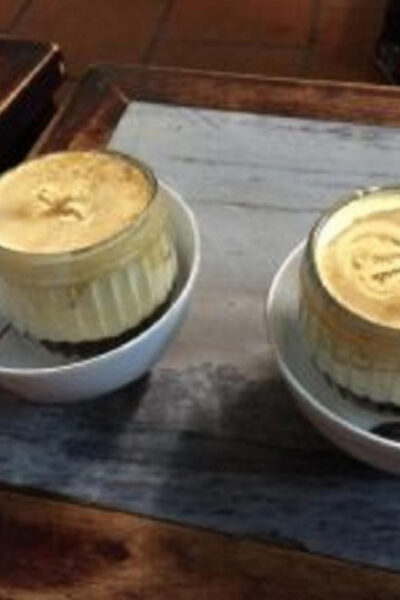
Hanoi egg coffee is part of the city’s charm, but on this tour it’s listed as not included. That said, the tour info specifically points you toward famous places like Giảng/Đinh Coffee, where the drink is crafted the classic way.
So here’s the practical way to use this: treat egg coffee as an optional extension, not an automatic part of the main tour. If you want it, ask your guide where you can go after the main route ends. This keeps your schedule flexible and prevents the tour from feeling like it’s rushing you into a paid add-on.
I also like that you’re not forced to do it. Some people want a coffee break. Others want to explore more streets on their own afterward. With this tour, you get the choice.
Flexible timing and customizing your route
This is not a rigid, timed-by-the-minute tour. The information says the timing is flexible, so the tour can fit your day better whether you’re an early riser or you prefer a slower afternoon.
Even better, the guide can accommodate customization if you reach out with your preferences. The tour notes that if you want additional places, entrance fees for those extra activities are on you, so you’ll just need to plan for that.
This flexibility is genuinely useful in the Old Quarter. If you discover a street you want to linger on, you don’t have to feel trapped by a strict itinerary. You can adjust in a way that still keeps the core route intact.
What the group size and guide style mean for your experience

The tour is for a group up to 10, which is a sweet spot for a walking tour. Big groups move like trains. Small groups move like conversations. Here, you should be able to ask questions without shouting.
The guide team being local students in blue and white uniforms matters too. One review highlighted a guide named Mai Anh, praising how she shared stories and facts and even had genuinely interesting conversations. That matches the kind of guide you hope for on a cheap walking tour: someone who can talk with you, not just speak at you.
If you’re the kind of traveler who likes hearing how people think about their own city, you’ll probably enjoy this. If you prefer a silent walk where you do all your own reading, you might find the conversation style less your thing—but you can always let the guide’s explanations land and still enjoy the street.
Dress code and walking notes that save you hassle
This tour is easy to join, but you’ll want to prepare like it’s a real Old Quarter walking day.
- Wear comfortable shoes. The route is walking, and you’ll likely be on your feet for most of the 4-hour duration.
- Pack respectful clothing for temple stops. The tour asks for no tank tops and no shorts above the knee when visiting pagodas and temples.
Also, since there’s no vehicle pickup required, you should plan to meet your guide at the designated meeting point. The tour says guides meet you in person, usually at your hotel lobby or a nearby public spot in the Old Quarter. If you’re unsure where to go, contact them for confirmation.
These small points prevent the most common walking-tour problem: showing up underdressed or spending time figuring out where the guide is.
Who should book this Hanoi Old Quarter Vibes tour?
Book it if you want a practical orientation to Hanoi’s Old Quarter with context, not just movement. It’s great for:
- First-timers who want street-name explanations and key sights within a short time
- Travelers who like walking and want a small-group feel
- People who care about both everyday life (Dong Xuan Market) and spiritual spaces (White Horse Temple and other temples)
You might consider a different style of tour if you want only ticketed museum-style attractions, or if you dislike walking and prefer large-vehicle sightseeing.
Should you book this Hanoi Old Quarter Vibes tour?
I’d book it if your goal is to understand the Old Quarter fast and taste its rhythm with a guide who’s actually local. The value is strong for $5 per group up to 10, and the pacing makes sense: street names, traditional architecture context, temple visits, then Dong Xuan Market and the Ho Chi Minh residence area.
If you’re willing to dress appropriately for temples and you can handle a steady walk, this tour is a smart way to spend half a day in Hanoi. Add egg coffee afterward if you want it, but don’t feel forced into it.
FAQ
Is pickup provided for this tour?
Yes. The tour includes hotel pickup in the Hanoi Old Quarter only, and guides meet you in person at the meeting point (usually your hotel lobby or a nearby public spot).
How long is the Hanoi Old Quarter tour?
The duration is 4 hours.
What does the tour include?
It includes: Hanoi Old Quarter, Dong Xuan Market, White Horse Temple, and No.48 Hang Ngang Str (Ho Chi Minh’s residence), plus hotel pickup for Old Quarter hotels and an English live guide.
Is egg coffee included in the tour price?
No. Egg coffee tasting at Giang or Dinh Coffee is not included.
Are entrance fees included for additional stops?
If you add places beyond the listed stops, any entrance fees for extra activities are covered by you.
What’s the dress code for temples?
You should not wear tank tops or shorts above the knee when visiting spiritual attractions like pagodas and temples.