REVIEW · FOOD & DRINK
Hanoi: Hands-On 5 Vietnamese Coffees & 3 Local Wines Tasting
Book on GetYourGuide →Operated by Su Quan Roastery Coffee Experience · Bookable on GetYourGuide
Hanoi coffee has secrets you can taste. This workshop turns the usual street-corner caffeine hunt into a guided, story-led session in a quiet Indochina-style villa that feels like a break from the city. I like that it’s run by Maxie, a calm English-speaking host, with a clear focus on what’s in your cup and why it matters.
I also like the practical part: you don’t just watch. You’ll use traditional tools to make and taste signature Hanoi-style coffees, with choices like Egg Coffee, Salt Coffee, Coconut Coffee, and Cocktail Coffee depending on your experience. One thing to consider: the whole session is only about 1–2 hours, so it’s more of a focused taste-and-learn than a long hangout with a full meal.
In This Review
- Key things to know before you go
- A calmer Hanoi pause in a hidden Indochina-style villa
- The coffee culture story: origins, regions, and why brewing changes everything
- Make your own Hanoi-style coffee drinks (and learn what each one means)
- The tasting moment: welcome tea, local snack, and comparing flavors
- The Da Lat education support: your ticket has a purpose
- What the $12 price really buys you (and who it’s best for)
- Quick logistics and rules that affect your experience
- Should you book this Hanoi coffee workshop?
- FAQ
- How long is the Hanoi coffee workshop?
- What does the experience include?
- How many coffee drinks will I make?
- Is the activity wheelchair accessible?
- Are there any restrictions during the workshop?
- Is there free cancellation?
Key things to know before you go
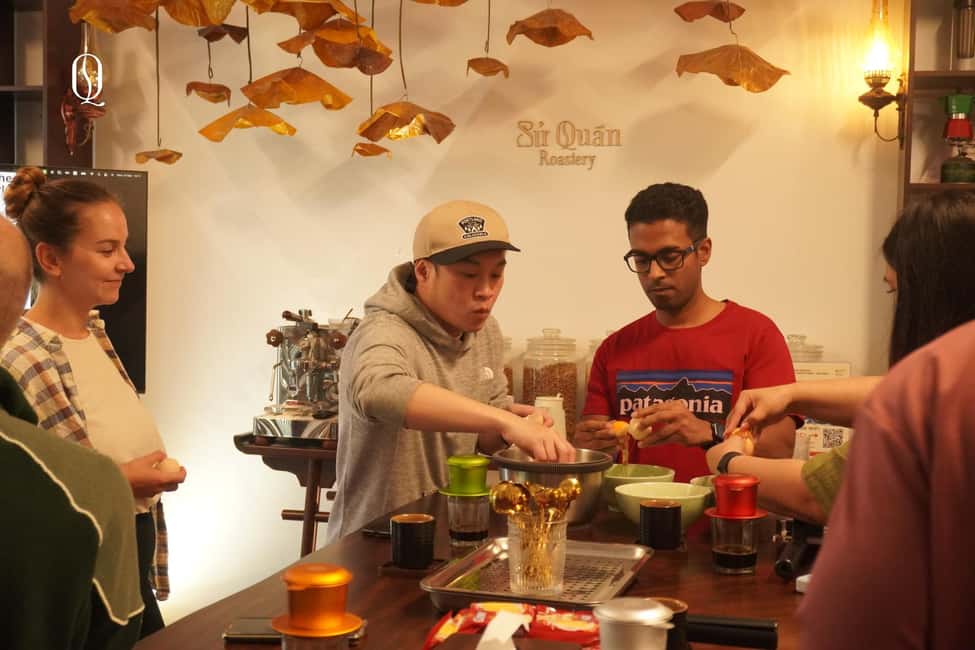
- Maxie leads in clear English, with explanations that make bean choices and brewing methods feel simple.
- You’ll craft multiple Hanoi-style drinks (2, 3, or 4 depending on experience level), not just sample a few sips.
- There’s a welcome tea and light local snack to get your taste buds ready before the coffee starts.
- Traditional brewing tools are part of the show, so you learn the process behind the flavor.
- The setting is intentionally calm, inside a hidden Indochina-style villa away from Hanoi chaos.
- Your ticket supports education via Da Lat coffee farming, so the experience has a real-world connection beyond taste.
A calmer Hanoi pause in a hidden Indochina-style villa
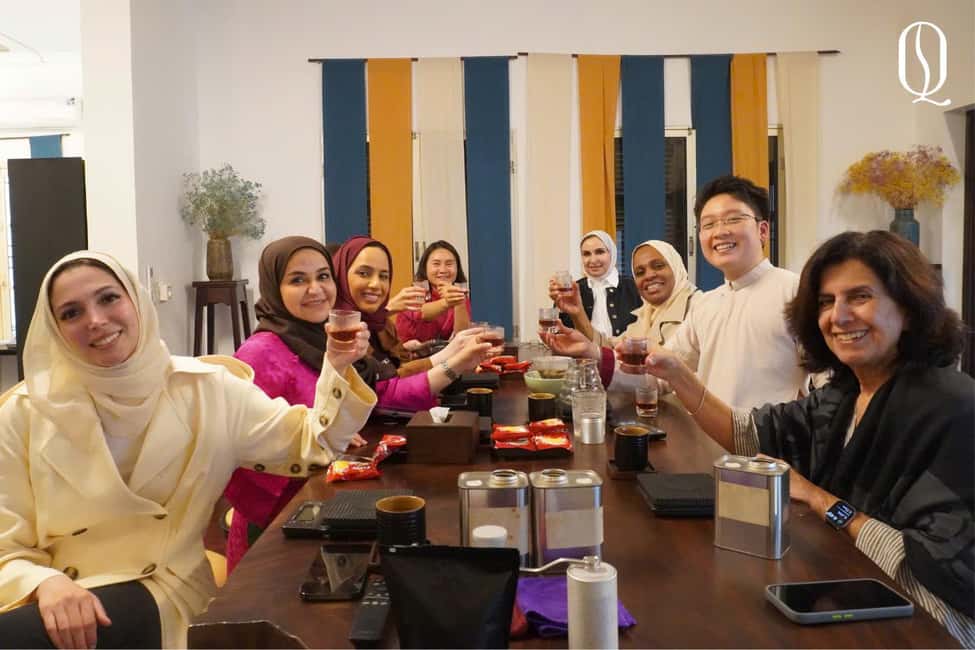
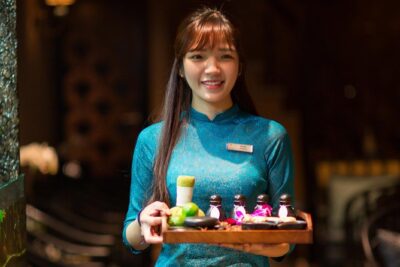
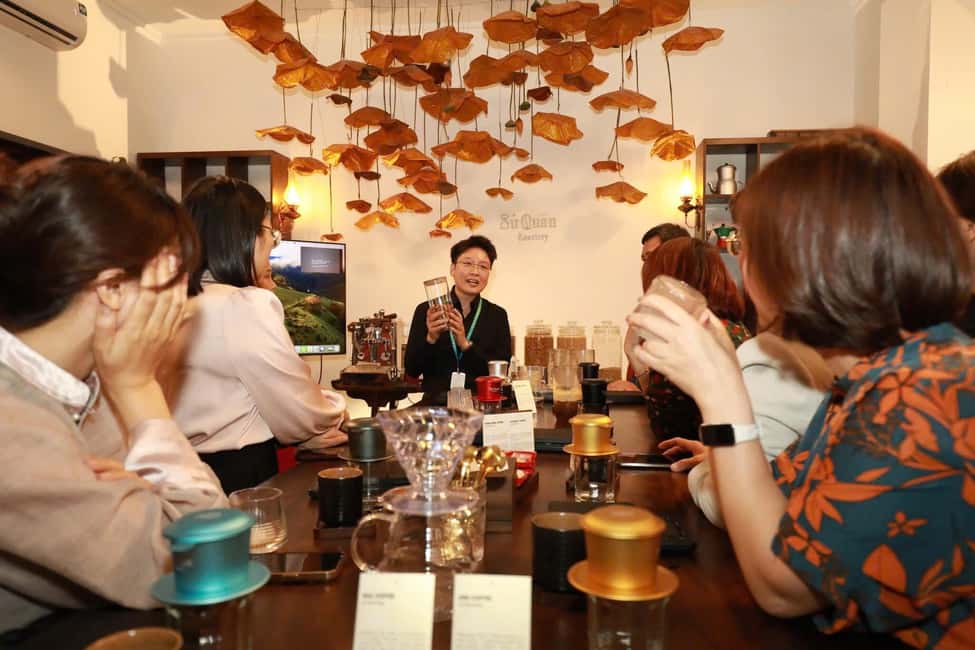
Hanoi can hit you fast: scooters, honking, steam, noise. This experience deliberately gives you the opposite vibe. You step into a cozy, Indochina-style villa atmosphere where the focus shifts from rushing around to slowing down over coffee. It’s not a “sit still and watch a slideshow” setup. The room is designed for tasting, handling tools, and comparing flavors.
One detail I appreciate is the pacing. You arrive with a complimentary herbal welcome tea, plus a light local snack. That small start does a lot. It helps you settle in, and it keeps the coffee from feeling like a sudden caffeine slap to the face.
The guide style also matters. In the reviews, Maxie comes up again and again for being friendly and very fluent in English. Stuart is also mentioned in one of the write-ups, which suggests there’s a supportive team behind the scenes. For you, that usually means fewer awkward pauses and better explanations—especially if you’re not sure what to ask about Vietnamese coffee.
If you’re short on time, this is built for you. With a duration of 1–2 hours, you get a meaningful cultural experience without wiping out half a day. Just don’t expect a massive multi-stop itinerary. This is concentrated, and that’s the point.
You can also read our reviews of more food & drink experiences in Hanoi

The coffee culture story: origins, regions, and why brewing changes everything
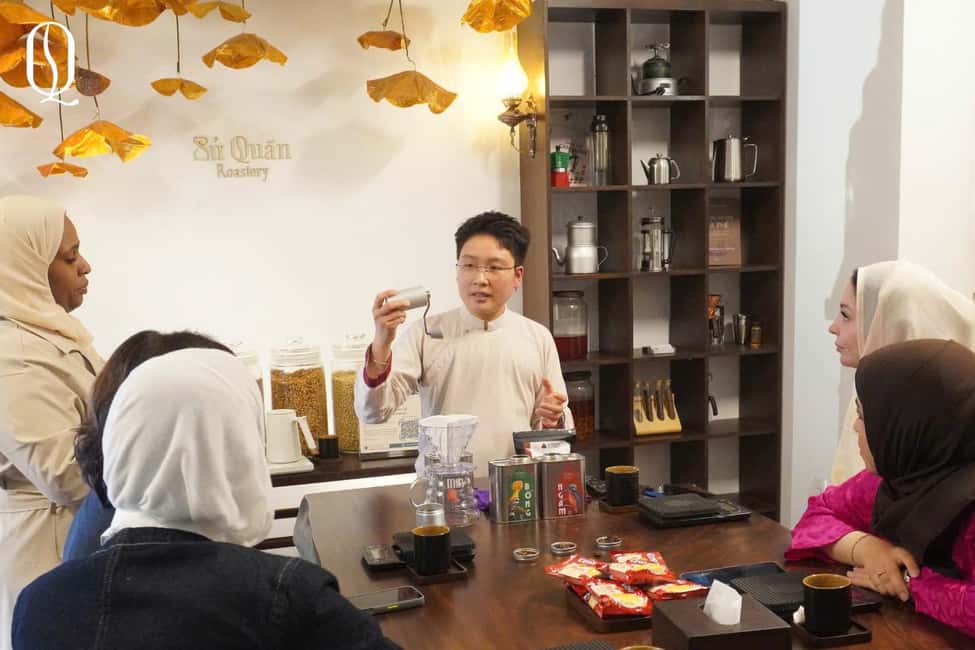
Vietnamese coffee isn’t one thing. It’s a whole set of choices—beans, roasting styles, grind sizes, brewing methods, and even how the drink gets sweetened and served. That’s what makes this workshop worth your time. It turns caffeine into context.
You’ll hear how Vietnamese coffee evolved over time, including references to French colonial days and wartime ingenuity. You also get the bigger picture: Vietnam becoming the world’s second-largest coffee producer. The lesson isn’t just trivia. It helps you understand why coffee shows up everywhere in daily life—why the culture took root and kept growing.
Then the session gets practical. You learn about different growing regions and what makes them distinctive, and you get traditional roasting and grinding methods explained in plain terms. For you, this is one of the strongest parts because it changes how you order coffee afterward. Instead of only chasing sweetness or strength, you start recognizing why one cup tastes heavier, another feels smoother, and another lands with a different balance.
There’s also mention of a presentation on TV that supports the learning. That helps if you like visual reinforcement, or if your brain needs an easier path from concept to cup.
And here’s the key takeaway: brewing technique isn’t just a step. It’s flavor control. The workshop sets you up to taste that difference, not just remember it.
Make your own Hanoi-style coffee drinks (and learn what each one means)
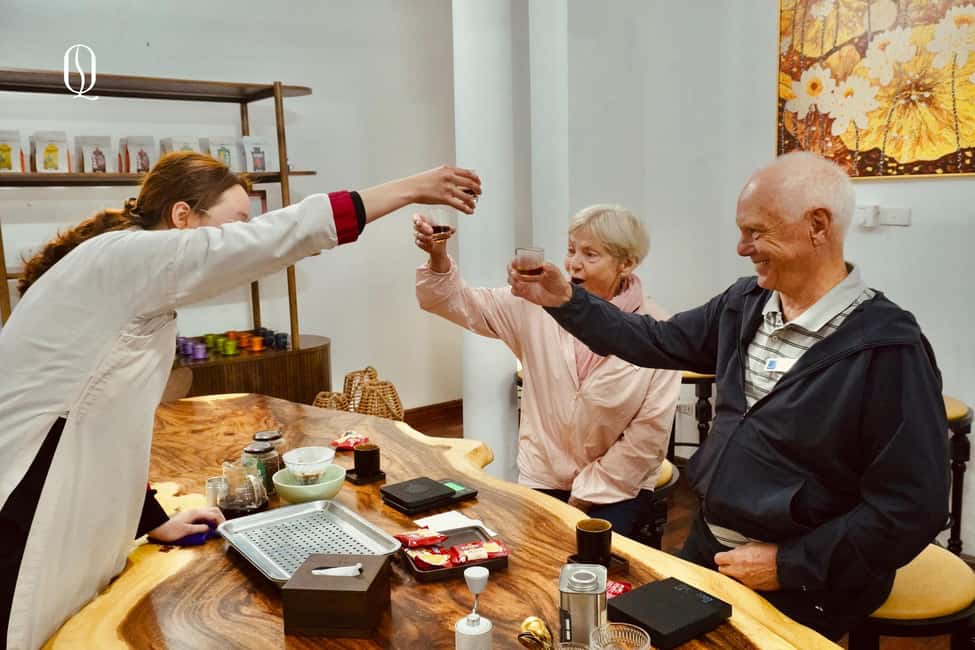
This is where the workshop becomes hands-on and honestly more fun than it sounds on paper. Depending on your experience level, you’ll craft and taste 2, 3, or 4 signature Hanoi-style drinks. The drinks listed include Egg Coffee, Salt Coffee, Coconut Coffee, and Cocktail Coffee.
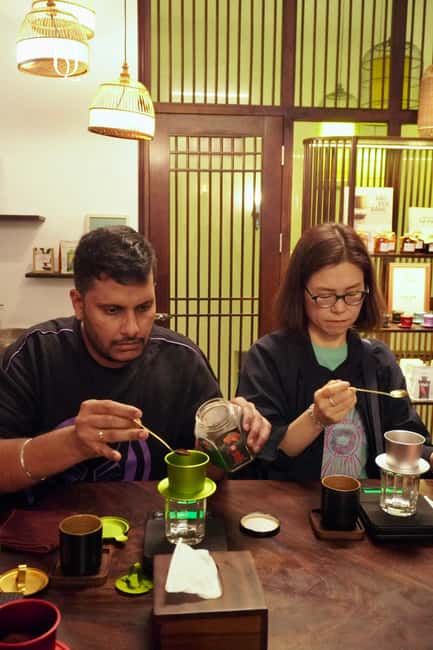
You’ll make your drinks using authentic Vietnamese tools and techniques. That matters, because Vietnamese coffee culture isn’t built around espresso machines alone. It often lives in slow-dripping brews and specific serving styles that shape the final taste.
Here’s what each drink is really teaching you, from a practical point of view:
- Egg Coffee isn’t only dessert-like. It trains your palate to notice texture and foam density, plus the way richness interacts with coffee bitterness.
- Salt Coffee helps you experience a less common flavor strategy: using salt to sharpen and balance. If you think salt only belongs on food, this changes that.
- Coconut Coffee nudges you toward aroma recognition. You’re tasting how sweetness and scent can shift the perceived body of coffee.
- Cocktail Coffee tends to play with layered flavors and stronger impression. It’s a good lesson in how presentation and mixing affect your first sip.
The best part is that you don’t just “try it.” You make it, taste it, then listen to the guide tie it back to beans, brewing, and regional ideas. That’s how you build real coffee instincts.
If you’re a coffee beginner, you’ll still get something out of it because the workshop works like a guided checklist: origin and roasting concepts first, then brewing methods, then your own cups. If you already know your way around coffee, you’ll likely enjoy comparing your expectations with what the tools and technique actually produce.
The tasting moment: welcome tea, local snack, and comparing flavors
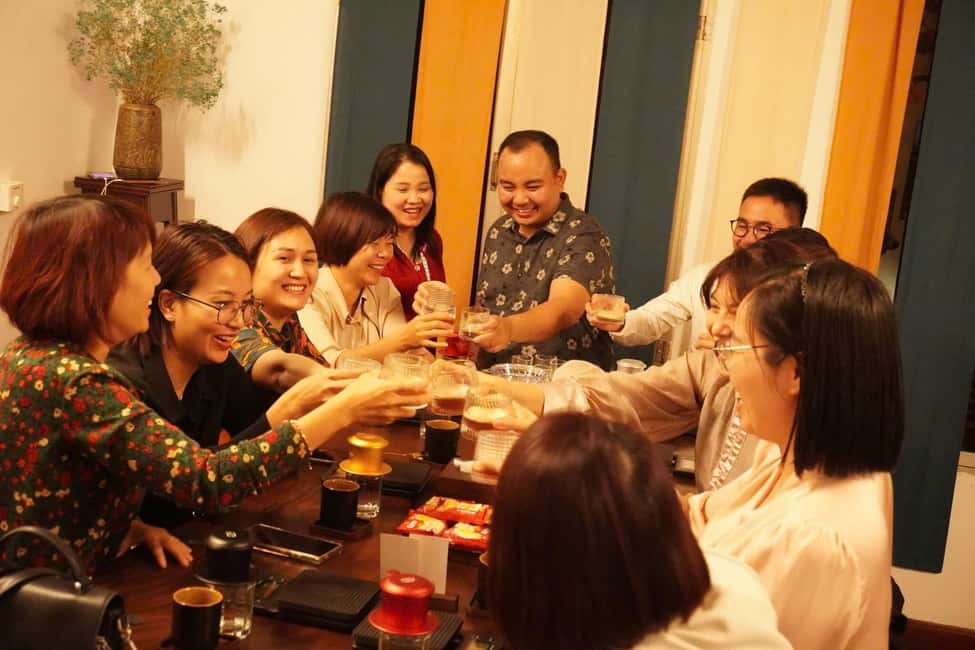
Before you brew, you get the herbal welcome tea and a light local snack. Then you move into coffee tasting. This order is smart. Tea and a small bite reduce the shock factor so you can pay attention instead of just surviving the caffeine.
During the tasting, the guide focuses on the link between your process and your results. In reviews, Maxie is repeatedly described as very knowledgeable and fluent, and that shows in the way the explanations land. You’re guided to understand the meaning behind different beans and techniques, not just how to follow steps.
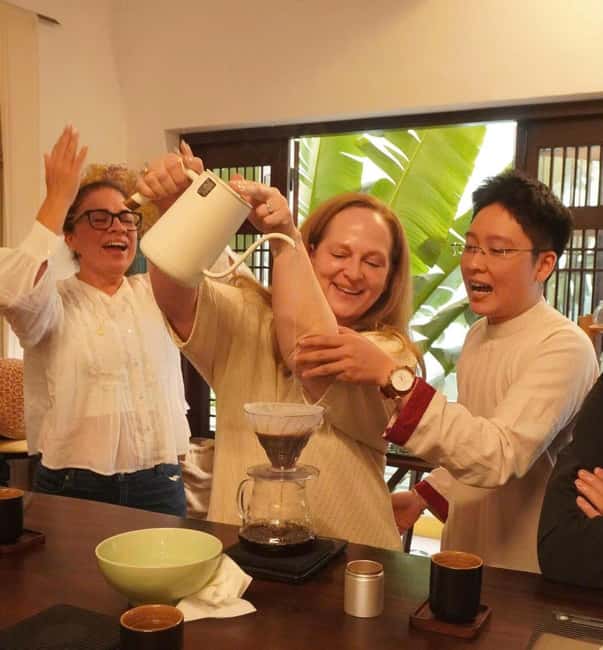
There’s also a social element in the process. One review notes that participants were involved while crafting four coffees. That usually means you’re not sitting on the sidelines. Even if you’re not a confident “make it yourself” person, the structure tends to pull you into the tasting decisions.
You’ll also appreciate that the experience gives you more than one drink to compare. When you taste multiple styles back-to-back, the differences stop being abstract. You can actually locate what changed: sweetness level, texture, aroma, and finish.
Even if you don’t become a coffee expert overnight (no one needs to), you’ll leave with a better sense for how Vietnamese coffee is built—especially how it can be both comforting and clever at the same time.
The Da Lat education support: your ticket has a purpose
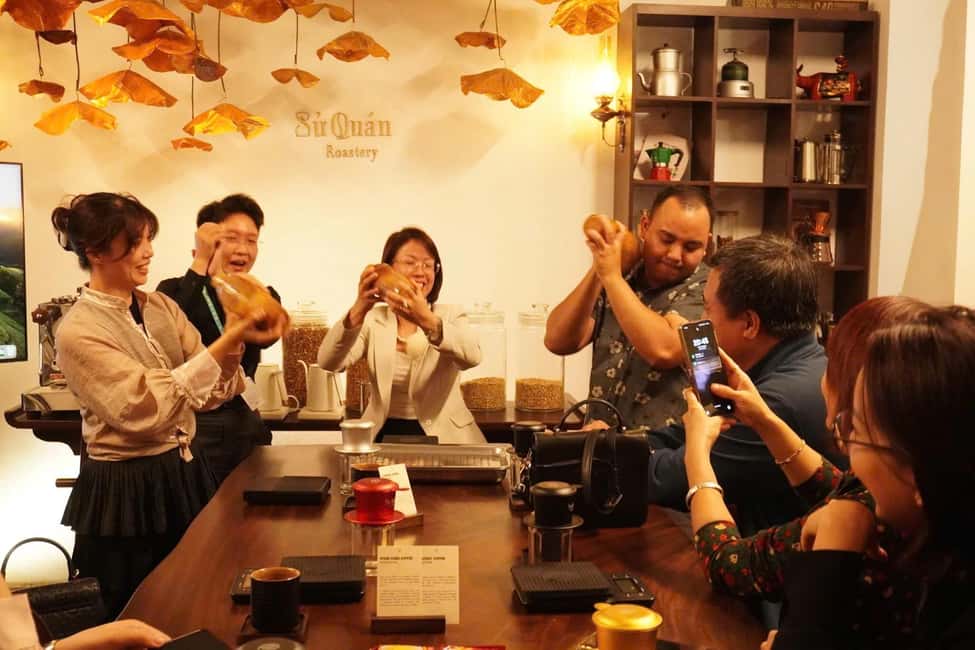
This workshop isn’t only about drinks. It’s connected to a real coffee farm and a real community goal.
The organizer, Su Quan, maintains its own coffee farm in Da Lat, and they’ve cared for land and crops for generations. Part of each workshop contributes to education for farmers’ children—aimed at giving opportunities their parents once hoped for.
For you, that matters because it’s not vague “support” language. You’re buying into a system where coffee craft, heritage, and future support are tied together. You’re literally tasting coffee grown in a long-term farming context, and you’re helping fund education linked to that community.
So yes, you get a better understanding of coffee. But you also get a small, concrete reason to feel good about spending your time and money here.
You can also read our reviews of more wine tours in Hanoi
What the $12 price really buys you (and who it’s best for)
Let’s talk value. At about $12 per person for a 1–2 hour experience, you’re paying for more than a few sips. You’re paying for:
- A guided cultural storyteller in English
- Herbal welcome tea and a light snack
- Hands-on brewing using traditional tools
- Crafting and tasting multiple Hanoi-style drinks (up to four depending on experience)
- The story thread that connects beans, roasting, and technique to what you’re tasting
For solo travelers, this is a strong deal because it’s structured and social without being exhausting. For couples, it’s a nice shared activity that doesn’t require you to be “good at talking.” For coffee lovers, it’s especially good because you’re learning method, not just taste.
For people who are caffeine-averse or hate coffee flavors, I’d say be cautious. The experience is centered on coffee craft. You can’t expect it to become a tea-only lesson.
For families or visitors who want something cultural but not heavy, this fits well. One of the highlights is that it’s a short, meaningful cultural experience ideal when your schedule is tight.
Also note: the experience is wheelchair accessible, which is helpful if you’re traveling with mobility needs.
Quick logistics and rules that affect your experience
A few practical points can save you headaches:
- Transportation is not included, so you’ll need to plan how you get there on your own.
- Alcohol and drugs are listed as not allowed, and there’s also a rule against making fire.
- Weapons or sharp objects are also not allowed.
One more note: the experience title mentions local wine tasting. The detailed included items emphasize coffee brewing, tasting, tea, and a local snack, so if wine is a big part of what you’re expecting, it’s worth confirming with the provider when you book.
Timing is straightforward: the session lasts about 1–2 hours, with start times depending on availability.
Should you book this Hanoi coffee workshop?
Book it if you want a short activity that teaches you how Vietnamese coffee is made and why it tastes the way it does. It’s ideal for you if you like hands-on learning, enjoy trying multiple drink styles, and want a calm break from the noise outside.
Skip it (or at least confirm expectations) if you’re hoping for a very long, food-centered experience, or if you’re mainly chasing alcohol-focused tastings. The center of gravity here is coffee, tools, and technique, with culture woven in.
If you enjoy clear explanations from a guide like Maxie, and you like getting your hands involved rather than just sipping, this is the kind of workshop that turns into a memory you can taste later—one cup at a time.
FAQ
How long is the Hanoi coffee workshop?
The duration is 1 to 2 hours, depending on starting time availability.
What does the experience include?
You get a guided session in English, a complimentary herbal welcome tea, a light local snack, learning about Vietnamese coffee history and techniques, and hands-on brewing and tasting.
How many coffee drinks will I make?
Depending on your experience level, you may craft and taste 2, 3, or 4 signature Hanoi-style coffee drinks.
Is the activity wheelchair accessible?
Yes, it is wheelchair accessible.
Are there any restrictions during the workshop?
Yes. Weapons or sharp objects are not allowed, alcohol and drugs are not allowed, and participants cannot make fire.
Is there free cancellation?
Yes. You can cancel up to 24 hours in advance for a full refund.