REVIEW · HALF-DAY
Half-Day Mindfulness Meditation Retreat in Hanoi
Book on Viator →Bookable on Viator
Silence gets a schedule. In just 4 hours at a Hanoi pagoda, you’ll follow Buddhist rituals and guided meditation methods that are meant to work in real life, not just in a calm room.
I especially like the clear teaching flow: sutras first, then breathing, qigong, and both seated and walking meditation. I also appreciate the human part—your time to talk with monks and hear how they think about doctrine, ethics, and a life focused on renouncing worldly pleasures.
One consideration: air-conditioned transport isn’t included, so you’ll want to plan for warm waiting time before and after the retreat.
In This Review
- Key things that make this retreat worth your half-day
- A 4-hour Hanoi pagoda retreat that balances ritual and technique
- Welcome rules at the pagoda: set the tone fast
- Sutra chanting and Buddhist doctrines you can apply daily
- Qigong, mindful breathing, and walking meditation for real-body calm
- Touching peace: learning meditation methods and focusing your mind
- Talking with monks: questions meet doctrine and everyday ideals
- Releasing animals and a grateful vegetarian meal: compassion with structure
- Price and logistics: why $60 can feel fair (and where it might pinch)
- Who this retreat suits best (and who might want a different style)
- Should you book the Half-Day Mindfulness Meditation Retreat in Hanoi?
- FAQ
- How long is the Half-Day Mindfulness Meditation Retreat in Hanoi?
- What is the price per person?
- Is a vegetarian lunch included?
- Is air-conditioned transportation included?
- What ticket format do I receive?
- What meditation and body practices are part of the retreat?
- Do you get to talk with monks?
- Does the retreat include a compassion-related activity?
Key things that make this retreat worth your half-day
- Sutra chanting right at the start, so you ease into focus with something steady and communal
- Qigong + mindful breathing before sitting, which helps your body settle for meditation
- Walking meditation, a practical add-on when your mind wants to wander
- Time to speak with monks, where doctrine connects to daily choices and values
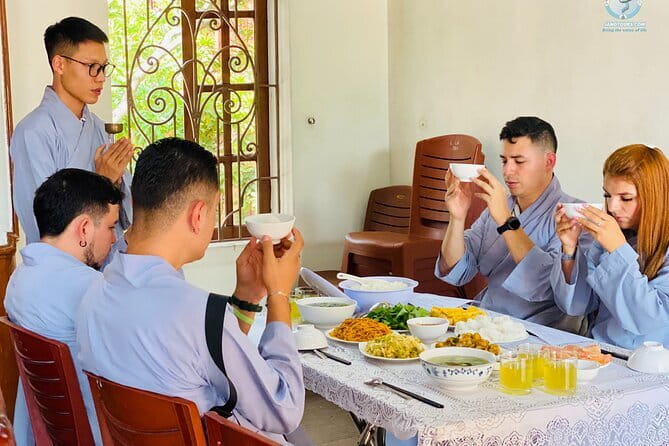
- Releasing animals and a grateful vegetarian meal, compassion as an action, not just a concept
- A structured “touching peace” section, teaching method and attention, not vague calm vibes
A 4-hour Hanoi pagoda retreat that balances ritual and technique
This experience is built for people who want mindfulness with structure. You’re not just asked to sit and hope for the best. Instead, the retreat moves through rituals and teachings, then applies them step by step through breathing, qigong, and meditation.
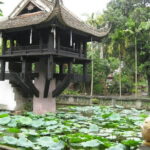
The location is a pagoda setting in Hanoi, so you get that authentic temple atmosphere—quiet corners, respectful rules, and a shift in pace that feels different from street life outside. The whole thing runs about 4 hours and includes a vegetarian lunch, which makes it easier to do as a half-day plan without feeling like you must add meals afterward.
You can also read our reviews of more tours and experiences in Hanoi


Welcome rules at the pagoda: set the tone fast
You begin by arriving at the pagoda, where the guide explains the rules in the first lesson. That may sound basic, but it matters. When you know what behavior is expected, you can stop mentally bargaining and just pay attention.
This start also signals what the retreat is trying to do: mindfulness here isn’t only inward. It’s tied to how you act around others, how you show gratitude, and how you participate in solemn rituals. If you’ve never done Buddhist practice before, this kind of clear orientation helps you avoid feeling lost.
Sutra chanting and Buddhist doctrines you can apply daily
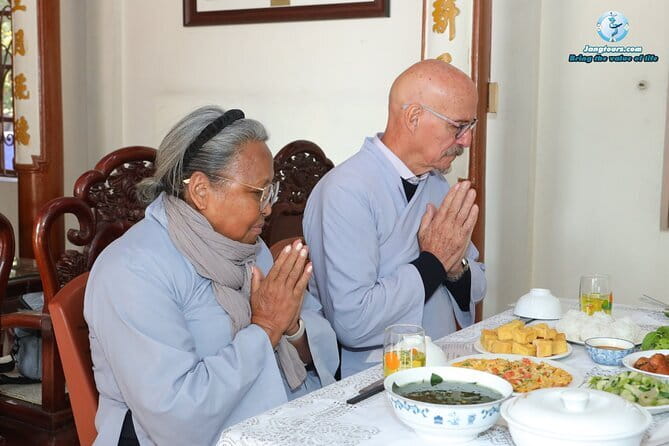
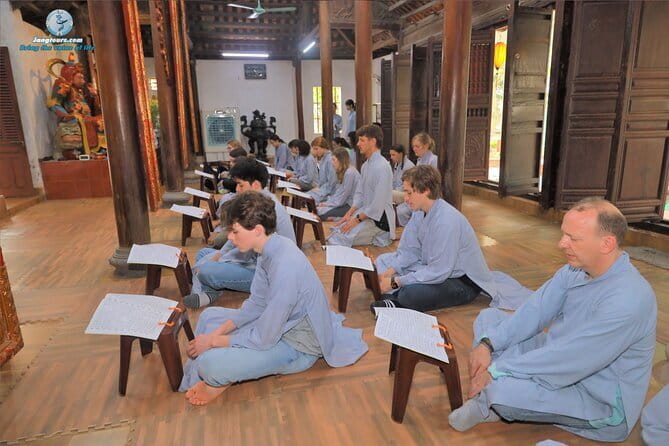
A major early moment is chanting solemn sutras. These sutras carry teachings of the Buddha, and you’re guided through the experience as part of the retreat’s foundation.
Then comes study of profound Buddhist doctrines, framed in a way you can carry into daily life. The retreat highlights ethics and how you live—ideas like gratitude, loving-kindness, and compassion. That’s the real value for many first-timers: the practice isn’t presented as mysticism. It’s presented as a way of thinking and acting.
If you want something practical out of meditation, this portion is a big reason to go. You’ll leave with more than a feeling of calm; you’ll have themes you can remember when your day turns noisy.
Qigong, mindful breathing, and walking meditation for real-body calm
After the chanting and teachings, you’ll shift into the body-based practices: qigong and mindful breathing. This is smart programming for a half-day session. Breathing helps your attention land, and qigong gives your body a job, so your mind doesn’t have to fight it alone.
Good health is part of the point here, not in a medical way, but as a practical reason to steady yourself. When you breathe mindfully and move gently, sitting meditation becomes less like forcing stillness and more like continuing a training you already started.
Next you get tranquil moments with walking meditation. Walking meditation is especially useful in Hanoi’s context because it translates well to real movement—waiting for a crossing, walking a market lane, or taking a quiet stroll later. It’s one thing to focus while seated; it’s another to keep attention during motion.
Touching peace: learning meditation methods and focusing your mind

One of the key parts is the art of touching peace. This section focuses on learning meditation methods—specifically how to focus the mind for true happiness.
Notice the wording: method comes before outcome. You’re guided toward attention training, rather than being told to magically feel good. That approach helps you return home with something you can repeat.
If you’ve tried meditation before and your mind keeps doing its own thing, this “touching peace” segment is where you’ll likely feel the most difference. The retreat’s emphasis is on technique: what to do with your focus, how to steady it, and how to relate to your mind without giving up.






Talking with monks: questions meet doctrine and everyday ideals

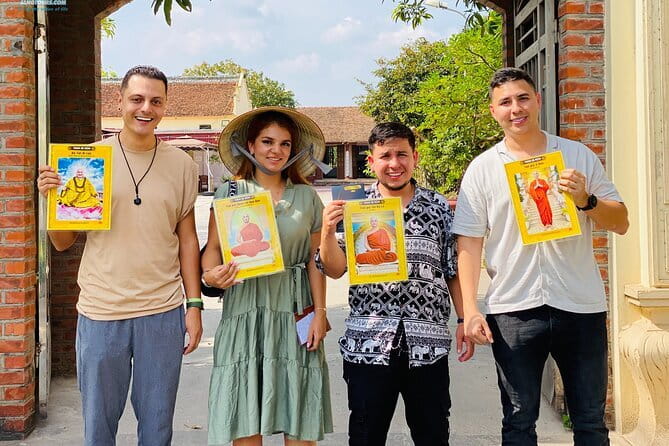
The most anticipated moment for many people is when you converse with monks. This is not just a photo-op moment. It’s time to understand Buddhist doctrine and the noble life of those who have renounced worldly pleasures.
You’ll hear about lofty ideals—how renunciation is meant to point toward values, not simply a life without comfort. Even if you don’t adopt their lifestyle, you can still absorb the moral and mental direction behind it: less chasing, more clarity.
Practical tip: if you have a question ready—something about ethics, compassion, or how to apply teachings to stress—this is the time to ask. You’ll get much more from the conversation if you treat it like a learning moment, not a performance of being “spiritual.”
Releasing animals and a grateful vegetarian meal: compassion with structure

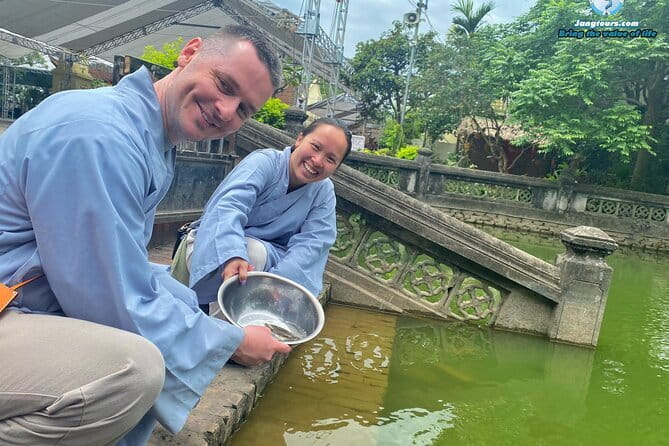
Another standout activity is releasing animals. This is framed as compassion in action, tied to nurturing kindness and care. It’s a ritual with strong emotional weight, and it’s also guided as part of the retreat’s arc.
Then you enjoy a grateful meal. The retreat includes lunch vegetarian food, and the gratitude element is built into the experience—not just something you remember later. Eating together after meditation and teachings reinforces the retreat’s theme: mindfulness isn’t isolated. It shows up in how you relate to food, gratitude, and other people.
One note to keep your expectations balanced: this part is ritual-based and emotionally charged, so come ready to feel a little more than usual. If you’re uncomfortable with animal-release symbolism, just be mindful that the activity is presented as compassion and practice, not a spectacle.
Price and logistics: why $60 can feel fair (and where it might pinch)
The price is $60.00 per person for about 4 hours, and it includes lunch vegetarian food. You’re also getting guided instruction through multiple elements: chanting, breathing and qigong, meditation (including walking meditation), and time to converse with monks.
That mix is why the value can make sense. A typical half-day activity might offer one or two pieces—maybe just breathing or just a talk. Here, you get a full sequence with multiple practice styles plus a teaching component built around ethics and Buddhist doctrine.
The main downside tied to logistics is simple: air-conditioned vehicle isn’t included. That doesn’t ruin the retreat, but it can affect comfort if you’re dealing with heat while moving to and from the pagoda or waiting around. If you’re sensitive to warm weather, plan your day with buffers.
You also get a mobile ticket, which helps you keep things simple on the go. And since the experience is often booked about 47 days in advance, it can be smart to reserve early if you’re traveling during a busy season or you want a specific date.
Who this retreat suits best (and who might want a different style)
This half-day retreat is a great fit if you want mindfulness that comes with guidance. You’ll benefit from the teaching rhythm—rules, chanting, doctrines, breathing, qigong, seated and walking meditation, and conversation with monks—because it gives you a clear path rather than leaving you to figure it out alone.
It also suits people who like Buddhism as lived practice—ritual plus ethics—rather than only as ideas. The compassion elements (including releasing animals and gratitude focused eating) connect the spiritual themes to actions.
You might consider another option if you dislike group ritual, want something strictly secular, or prefer meditation with minimal spiritual framing. This retreat is explicitly Buddhist, with sutras and monastic conversation as part of the core experience.
Should you book the Half-Day Mindfulness Meditation Retreat in Hanoi?
Book it if you want a structured, authentic pagoda experience that goes beyond sitting quietly. The combination of sutra chanting, guided meditation methods, and a real conversation with monks makes it more than a one-note wellness class. Plus, the included vegetarian lunch turns a half-day plan into a complete block.
Skip it or choose carefully if you’re expecting air-conditioned comfort during transit, or if ritual and temple settings aren’t your thing. And if you’re the type who needs extra space to process emotions, the compassion activities may feel intense—so go with a steady mindset.
Overall, for $60, you’re paying for instruction plus access: teachings, practice, and monks. That’s the kind of value that tends to stick with you after the day ends.
FAQ
How long is the Half-Day Mindfulness Meditation Retreat in Hanoi?
The retreat lasts about 4 hours.
What is the price per person?
The price is $60.00 per person.
Is a vegetarian lunch included?
Yes. Lunch vegetarian food is included.
Is air-conditioned transportation included?
No. An air-conditioned vehicle is not included.
What ticket format do I receive?
You get a mobile ticket.
What meditation and body practices are part of the retreat?
The retreat includes qigong, mindful breathing, and both seated and walking meditation.
Do you get to talk with monks?
Yes. You’ll converse with monks to learn more about Buddhist doctrine and the noble life of those who have renounced worldly pleasures.
Does the retreat include a compassion-related activity?
Yes. It includes releasing animals, followed by a grateful meal and a gift exchange at the end.