REVIEW · 1-DAY TOURS
From Hanoi to Pu Luong: 2-Day Trip in Ethnic Villages
Book on GetYourGuide →Operated by Vietnam Nomadtrails · Bookable on GetYourGuide
Pu Luong feels like Vietnam’s quiet end of the world. One big reason is the Thai-focused route: you spend time with stilt houses, bamboo tools, and the famously impressive bamboo waterwheels. The second thing I really liked is how the trip balances effort with easy time, from a long view-stop at Thung Khe Pass to relaxing pool time at night.
One drawback to plan around is that the Bat cave visit depends on weather, so you might not get inside the cave if conditions turn.
In This Review
- Key Highlights You’ll Care About
- From Hanoi to Pu Luong Nature Reserve: the trip starts with big views
- Com Lam and Thung Khe Pass: a quick taste stop that helps the whole trip land
- Day 1 trekking: hanging bridge, Ba village houses, and Thai bamboo engineering
- What to watch for
- Day 1 evening: bamboo boat ride for calm, not chaos
- Day 2: Kho Muong village viewpoints and the trek toward Bat cave
- A word about pacing
- The $180 price: what you’re really buying (and where value shows up)
- Small group size: why it matters on a route like this
- Practical tips so you enjoy Pu Luong more
- Who this tour fits best
- Should you book the Pu Luong 2-Day Trip from Hanoi?
Key Highlights You’ll Care About
- Bamboo waterwheels of the Thai villages: a practical irrigation system that’s also genuinely beautiful to see in motion
- Thung Khe Pass viewpoint over Mai Chau Valley plus local snack stands
- Day 1 trekking with a hanging bridge over the Cham river and a walk past old traditional houses in Ba village
- Kho Muong Village + infinity rice terrace viewpoints on day 2, leading up to the cave entrance
- Bat cave visit is weather-based, so build flexibility into your expectations
- Bamboo boat ride at dusk: slow, calm, and used by locals to reach fields and homes
From Hanoi to Pu Luong Nature Reserve: the trip starts with big views
This is a classic two-day, one-overall-direction route: you leave Hanoi early, then trade city noise for limestone hills and rice terraces. The start point is the Hanoi Opera Trang Tiên street. If your hotel is in Hanoi Old Quarter, pickup is offered; if it’s elsewhere, you’ll go to the Opera area to board. Either way, plan for a morning start between 6h30 and 6h55.
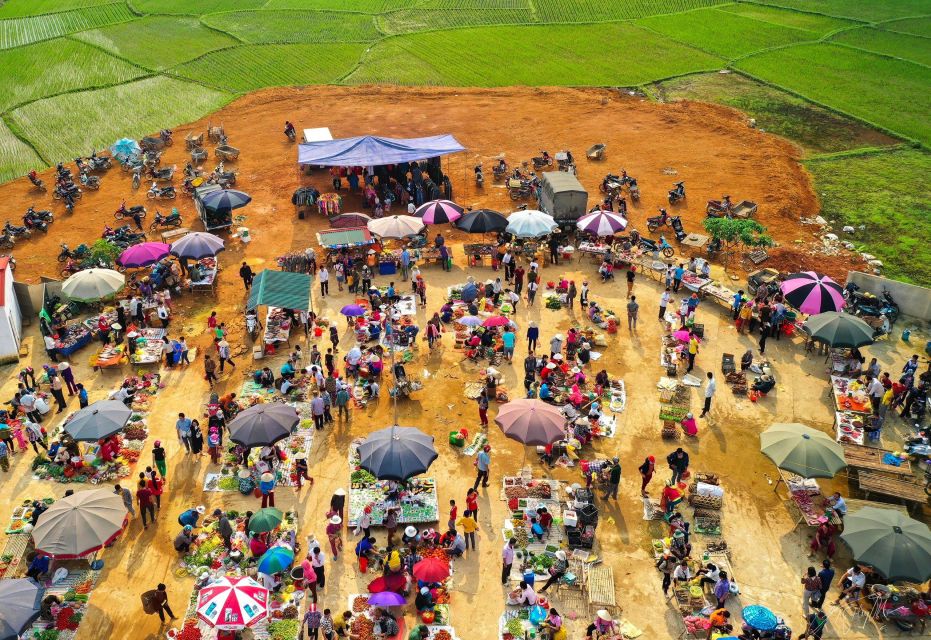
What makes this drive worth it is the built-in scenic stop. You don’t just sit on a bus and hope for the best. You get a proper viewpoint at Thung Khe Pass, where the Mai Chau Valley spreads out below. And during the stop, there are local stands selling typical products, so you can stretch your legs and try something before you settle into the rest of Pu Luong.
If you’re coming from Hanoi, you’ll feel the shift fast. The air gets cooler, the roads loosen into mountain terrain, and even the pauses feel less rushed. This matters because the real payoff of Pu Luong comes from day-to-day rhythm: walking in the morning, quieter time afterward, then more walking again the next day.
You can also read our reviews of more tours and experiences in Hanoi

Com Lam and Thung Khe Pass: a quick taste stop that helps the whole trip land
Pu Luong is about villages and terraces, but day 1 starts with a small cultural moment that makes you pay attention. At Thung Khe Pass, you’re given time to look around and browse the local snack stands. It’s the kind of stop where you see how people live between the bigger landmarks.
During the break, you have a chance to try com lam, sticky rice cooked in bamboo. I like meals like this on trips into ethnic regions because they’re practical and tied to daily life, not just a staged dish for tourists. Even if you’re not a huge eater, it’s a good way to understand the landscape you’re about to walk through: people here cook in ways that match the environment.
The drive continues after this stop toward Pu Luong Nature Reserve, where you’ll arrive for lunch and check-in. That ordering is smart. It keeps you from feeling stuck in transit for hours with no rhythm.
Day 1 trekking: hanging bridge, Ba village houses, and Thai bamboo engineering
After lunch and checking in, you get free time to relax before the afternoon trek. Then the walking begins at a realistic pace, passing a hanging bridge over the Cham river. That detail matters because it’s not just a pretty photo point. A hanging bridge in a mountain valley gives you a sense of scale: you’re moving through the same terrain that people navigate every day.
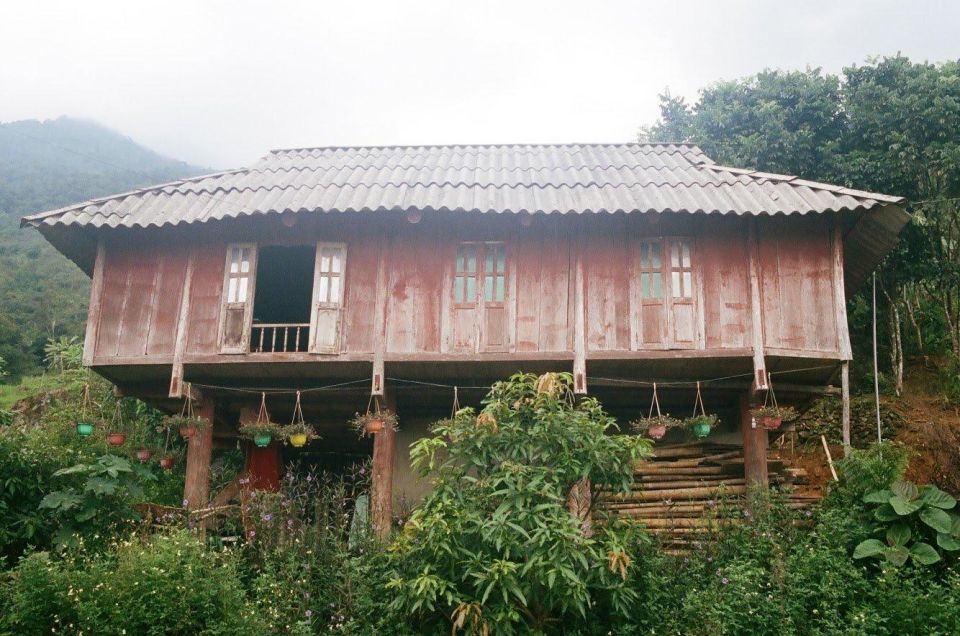
From there, you pass through Ba village and see old traditional houses. This is one of the most valuable parts of the trip because it slows the story down. You’re not only watching rice terraces from far away; you’re also seeing the village form up close, including the house style and how the community sits within the slopes.
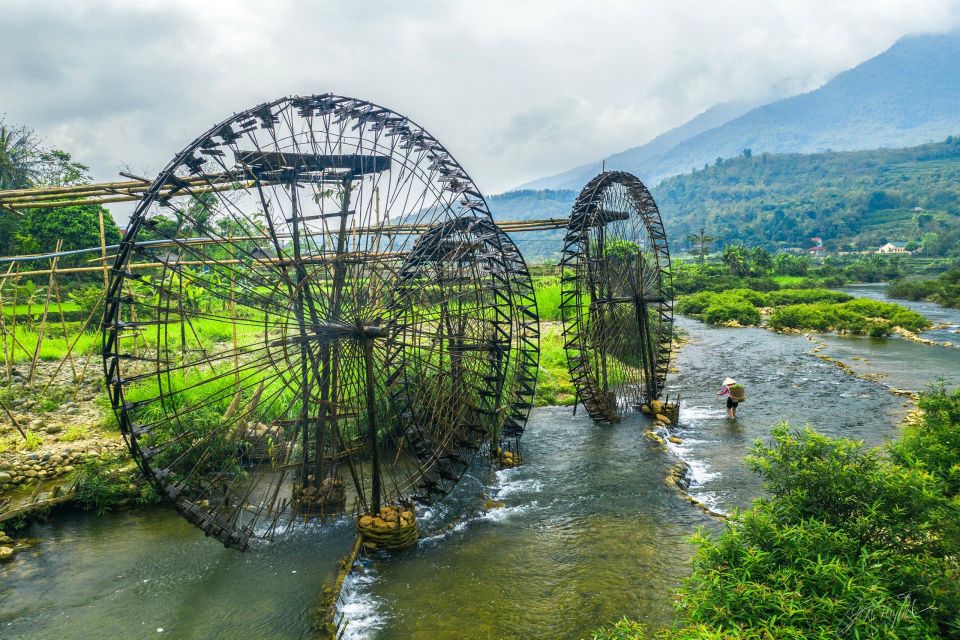
Then comes the highlight that people remember: the bamboo waterwheels. These are linked to Thai irrigation practices, and in Pu Luong they’re among the most impressive systems in Vietnam. What I find compelling is that you’re not being told to admire an object in isolation. You’re seeing how a community uses bamboo tech to keep fields alive. Watching the waterwheel process (and understanding it as a working tool) is a different kind of “wow” than a single viewpoint.
What to watch for
Your comfort will depend on your trekking tolerance. The tour gives you afternoon hiking plus a second day trek, so if you get easily tired by uneven paths, bring shoes with good grip and take it slow over roots and slopes.
Day 1 evening: bamboo boat ride for calm, not chaos
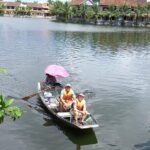
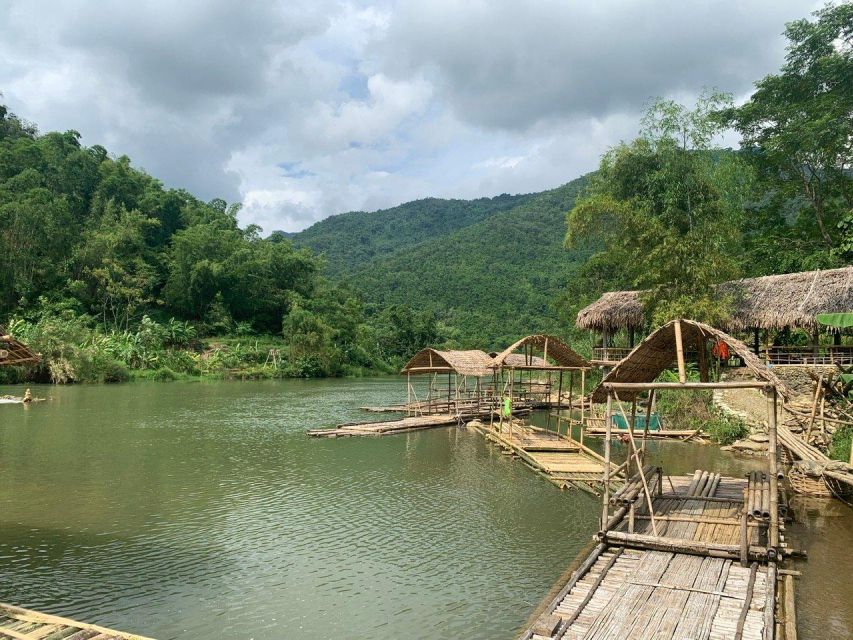
After day 1 walking, you get a bamboo boat ride. This is a rare kind of activity because it’s not built as a thrill ride. It’s described as relaxing and tranquil, and the boat is adapted for tourism while still being kept in use by locals.
That means the boat route connects you to real village life. Locals use it to navigate and reach other houses and the fields. So when the boat moves slowly and the views open across the water, you’re not only sightseeing. You’re getting a practical sense of how people cross their landscape.
Back at the stay, you’ll have downtime: relax in your bungalow, enjoy time by the infinity pool (if you want), and then have dinner at the restaurant. Evening here is peaceful by design—nothing about this part pushes you into late-night plans.
One more real-life note from previous experiences: some people loved the setting and the uncrowded feel of Pu Luong, and they also flagged that the driving can feel intense. So if you’re sensitive to road travel, try to settle in for the journey and don’t expect a smooth, effortless ride like in a city.
You can also read our reviews of more tours and experiences in Hanoi
- Doris Cruise 5 star cruise 2 days visiting Halong Bay Lan Ha Bay private balcony
★ 5.0 · 2,338 reviews





Day 2: Kho Muong village viewpoints and the trek toward Bat cave
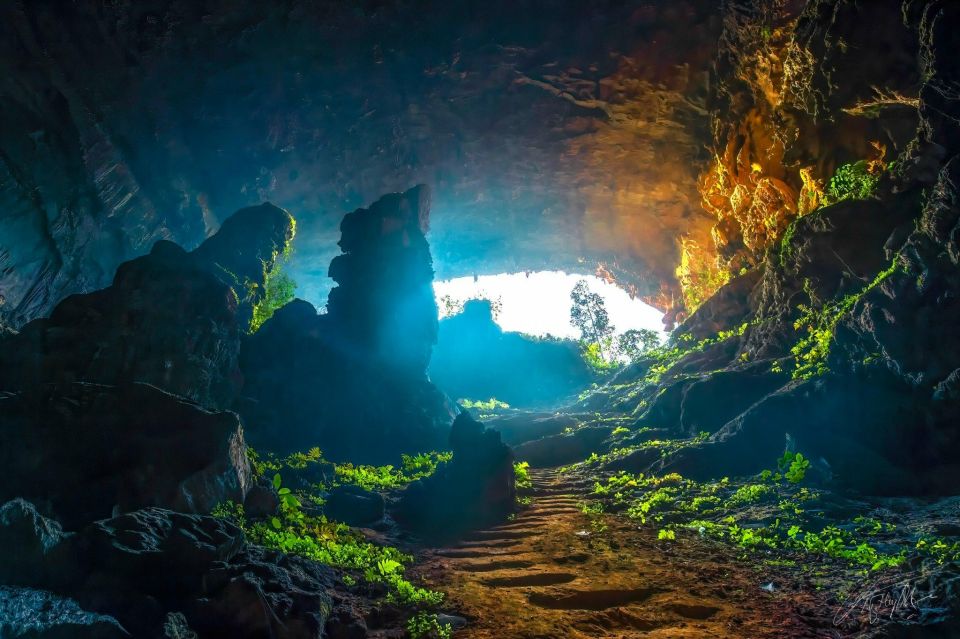
Day 2 starts with breakfast, then a trek toward Kho Muong Village and the Bat cave. You’ll begin on a small alley near traditional Thai stilt houses. That opening walk matters because it frames what comes next: you’re moving from everyday village lanes into higher viewpoints where the rice terraces spread out.
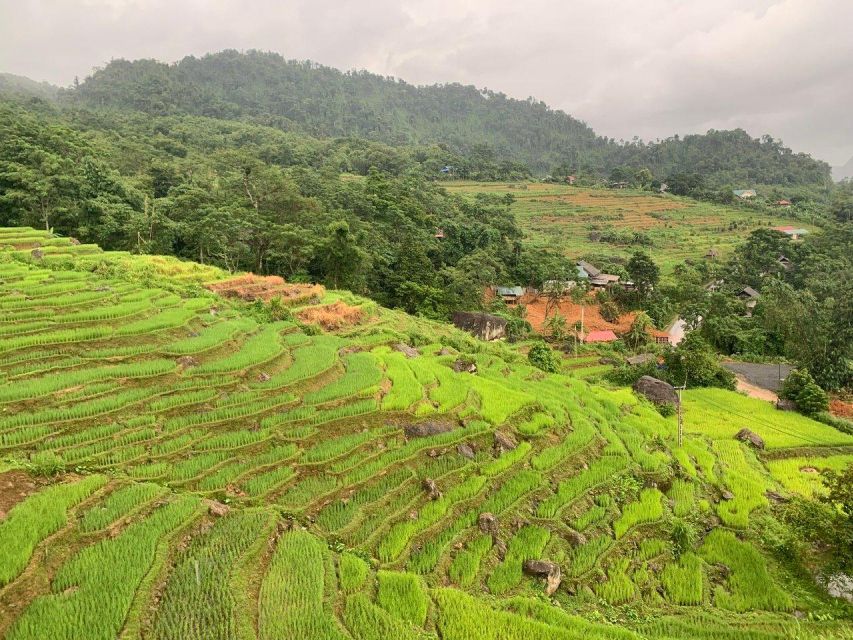
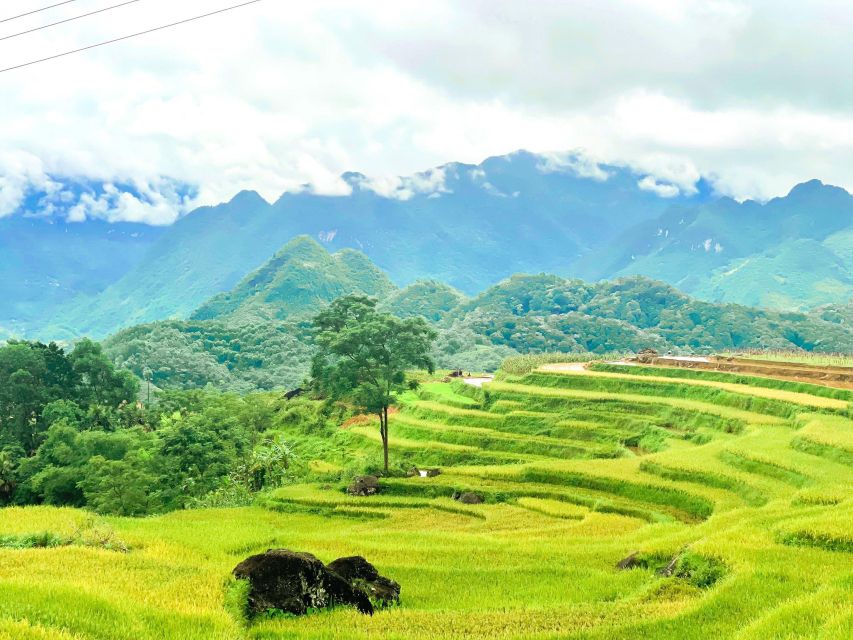
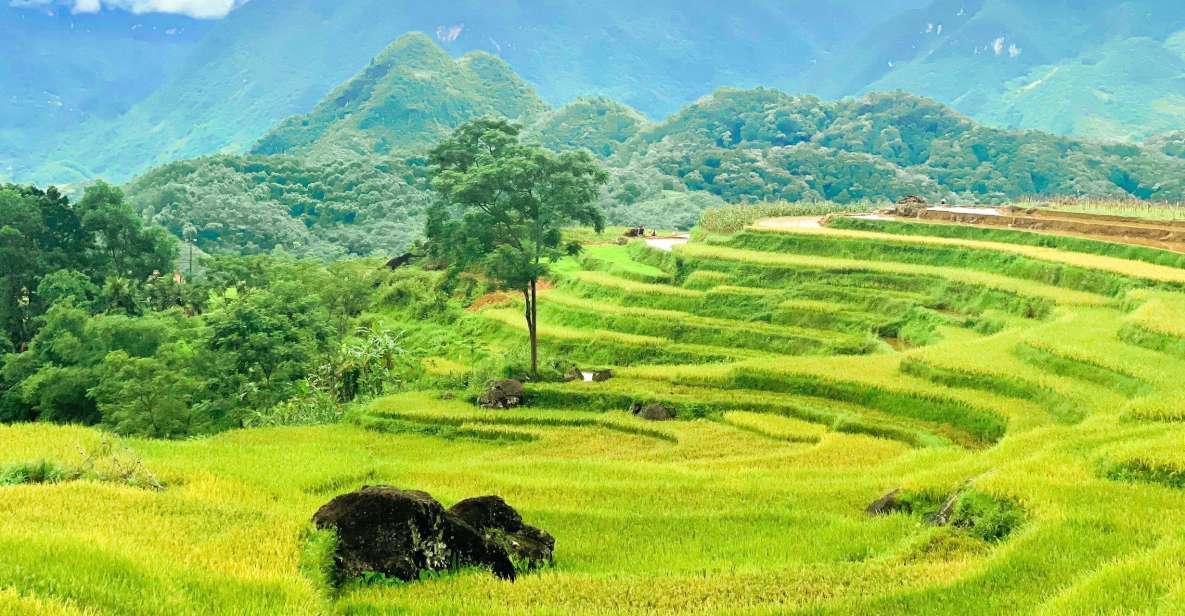
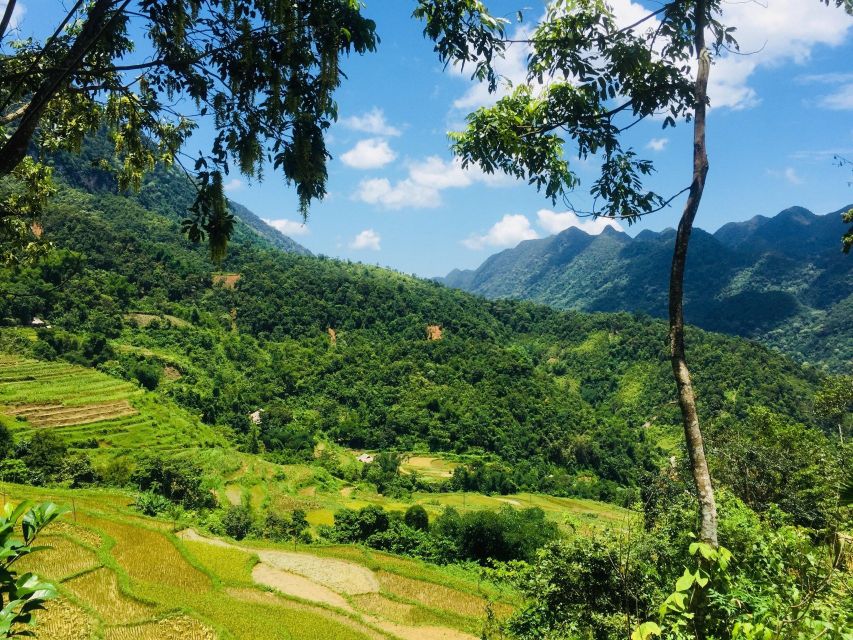
As you climb, you reach beautiful viewpoints of the infinity rice terraces. The term infinity here works because from certain angles, the terrace rows look like they keep going forever. When you finally arrive from the top of the hill, you get a slow reveal of Kho Muong village, and you can understand why people call this place special.
After walking around the village, you move toward the cave entrance. Then comes the key practical detail: the chance to visit the cave depends on weather conditions. Caves can close for safety if conditions are unstable, and rain can change access. I’d treat the cave visit as a bonus rather than a guaranteed must-do. If the cave doesn’t work, you’ll still have gotten the village walk and the terrace views, which are the backbone of this tour.
A word about pacing
This is a two-day trip with meaningful walking both days. Day 2 is likely to feel more focused because you’re heading to specific targets—Kho Muong and then the cave entrance. If you like early mornings and don’t mind steady uphill walking, you’ll be in your element.
The $180 price: what you’re really buying (and where value shows up)
This trip costs $180 per person for a 2-day experience in and around Pu Luong Nature Reserve. That price adds up faster than you might expect if you tried to build it on your own, because you’re getting the full package: transportation, guides, accommodation, meals, and entry fees plus the activities.
Here’s what’s included:
- All transports mentioned in the itinerary
- All listed meals (day 1 lunch and dinner; day 2 breakfast and lunch)
- English-speaking local guides
- Accommodation for the night
- Entrance tickets
- Activities listed (including the bamboo boat ride and the trekking experiences)
- 1 bottle of 500ml water/day/pax
What I like about the value is that it covers the expensive parts for this kind of route: the long transfer out of Hanoi and back, plus guiding and park access. You’re also not just paying for scenery—you’re paying for interpretation. The bamboo waterwheels, for example, are more meaningful when someone can explain the Thai irrigation logic behind them.
Where value can feel uneven is if the cave doesn’t happen due to weather, or if your group’s exact experience varies (like what stops are emphasized). Still, the overall structure—Thai village walks, terrace viewpoints, and a calm boat ride—usually stays intact.
Small group size: why it matters on a route like this
The group is limited to 15 participants, and this type of cap is more than a marketing line. On village treks and narrow paths, a big group gets stretched out and you lose the pacing your guide is aiming for. In smaller numbers, you’re more likely to keep together, ask questions, and actually notice details like irrigation structures and house placement on the slope.
It also tends to make the vibe more relaxed, especially at the end of day 1 when the bamboo boat ride is designed for quiet.
Practical tips so you enjoy Pu Luong more
A few practical things I’d plan for based on how this itinerary works:
- Shoes with grip: two days of trekking on uneven paths calls for traction, not slippery sneakers.
- Weather flexibility: the cave visit is weather-dependent, so keep your plan mentally flexible on day 2.
- Bring a light layer: mornings can feel cooler in the hills, even in warmer months.
- Don’t overpack your expectations: you’re going to villages, not just viewpoints. If you’re patient on the walking segments, the payoff feels bigger.
Also, if you’re traveling with a child, one prior experience praised how the guide took care of a son and responded well. That doesn’t guarantee your group will have the same level of attention, but it’s a good sign that guides are used to real families, not only solo adults.
Who this tour fits best
You’ll like this trip most if you want:
- A Thai-ethnic village focus rather than only scenery
- Two days that feel paced, with real walking plus real rest
- A calm activity like the bamboo boat ride, not a rushed photo stop
It may be less ideal if:
- You hate any cave uncertainty (because Bat cave access can change with weather)
- You’re very sensitive to road comfort and prefer short, smooth transfers (mountain routes can feel intense)
If you want one of those “Vietnam postcard” trips, this is close—but it’s the village details that make it feel authentic.
Should you book the Pu Luong 2-Day Trip from Hanoi?
If you’re deciding, I’d book if your priority is Thai village life, bamboo irrigation technology, and rice-terrace views with a guide who can explain what you’re seeing. The route is also good value for the all-in structure: you’re not juggling transport, tickets, or meal planning.
I’d hesitate if your trip depends on a guaranteed Bat cave visit. Since the cave depends on weather, you might leave day 2 with the village and terraces but without the cave.
Overall, this is a strong choice for travelers who want Pu Luong to feel calm, human-scale, and gently adventurous—exactly the kind of place where the best moments happen off the main road.
You Might Also Enjoy


More 2-Day Experiences in Hanoi
- Doris Cruise 5 star cruise 2 days visiting Halong Bay Lan Ha Bay private balcony
★ 5.0 · 2,338 reviews