REVIEW · SAPA TREKKING TOURS
From Hanoi: Sapa 2D1N Homestay overnight by Morning bus
Book on GetYourGuide →Operated by Mountain Light Homestay · Bookable on GetYourGuide
Sapa looks like a place for dramatic views, but this trip is built around real village time and walking between communities. You leave Hanoi early, sleep on a modern bus, and wake up in northern Vietnam ready for two guided trek days and one night in a Ta Van homestay.
What I like most is the balance: a structured route with a guide in Sapa, plus enough breathing room to enjoy Sapa town and simple village meals. The other big plus is the homestay night, including a cooking class for Vietnamese spring rolls.
Still, there’s one thing to plan for: this isn’t a gentle stroll. The hiking adds up (roughly 17 km total across two days), and some people also felt uncomfortable due to pushy sales behavior around certain village stops.
If weather turns cold or foggy, the day can feel tougher, but you’ll be following marked routes and guided tracking. One more practical note: you’ll do best if you can walk steadily and keep your expectations focused on people and culture, not comfort the whole way.
In This Review
- Key moments you’ll care about
- The value of a 2D1N Sapa trek that starts with real transit
- Hanoi to Sapa on the modern bus: when “overnight” actually helps
- Arrival in Sapa town: brief orientation, then right into the walking
- Day 1 from Y Linh Ho to Lao Chai and on to Ta Van by 16:00
- Ta Van homestay night: where the day’s walking becomes a real story
- Day 2: Giang Ta Chai and Supan, then back to Sapa for the Hanoi bus
- Sapa time and how this trip keeps it realistic
- Weather can change the vibe fast, so dress for cold and fog
- Food on this tour: two lunches, one dinner, and a homestay breakfast
- Cost and inclusions: what $60 actually covers
- Trek fitness check: how much walking is built in
- A balanced note on village visits and sales pressure
- Should you book this Sapa homestay trek from Hanoi?
- FAQ
- What times does the tour pick you up in Hanoi?
- When do you arrive in Sapa, and what happens first?
- How much trekking is included over the two days?
- Is there an English-speaking guide?
- What meals are included in the price?
- Where do you stay overnight?
Key moments you’ll care about
- Modern sleeping bus from Hanoi with scheduled pick-up and a return that gets you back around 21:30
- Two guided trek days linking Y Linh Ho, Lao Chai, Ta Van, plus Giang Ta Chai and Supan
- Ta Van homestay night at Mountain Light Homestay, with dinner and a spring roll cooking lesson
- English-speaking guide in Sapa who helps keep the route clear and the experience understandable
- Group pacing that still requires fitness for 6–9 km segments and an 8 km trek
- Village stop experience can include sales pressure, so decide your boundaries before you go
The value of a 2D1N Sapa trek that starts with real transit
For $60 per person, this is the kind of Sapa trip that’s mainly about time efficiency and not wasting daylight. You’re not just “going somewhere and snapping photos.” You’re getting round-trip transportation, a homestay night, meals, and guided trekking built into two tight days.
This is also why the schedule feels a little intense. You start with an early morning pick-up from Hanoi (between 6:00 and 6:30), then spend the day actively walking and exploring, and still manage a second trek before heading back to Hanoi by the afternoon.
If you want a Sapa experience that feels grounded—walking through villages, meeting different ethnic communities, and eating local food—this format works. If you want a slow, luxury pace with long breaks and minimal stairs or mud, look elsewhere.
You can also read our reviews of more tours and experiences in Hanoi

Hanoi to Sapa on the modern bus: when “overnight” actually helps

The package includes the sleeping bus ticket Hanoi → Sapa → Hanoi with modern facilities. That matters more than it sounds. Instead of burning an entire day to get there, you keep your trip focused on trekking and the homestay night.
You’ll be picked up at your Hanoi hotel between 6:00 and 6:30 AM, then travel to Sapa using the new highway. There’s a pit stop for a breather, and you arrive in Sapa town around 13:00–13:30.
Two practical tips from how this runs:
- Bring something warm for the bus and for your walk breaks. Even if your body feels fine in the early afternoon, Sapa evenings can be chilly.
- Plan on being ready to move soon after lunch. The trip packs activities tightly, starting treks the same day you arrive.
Arrival in Sapa town: brief orientation, then right into the walking
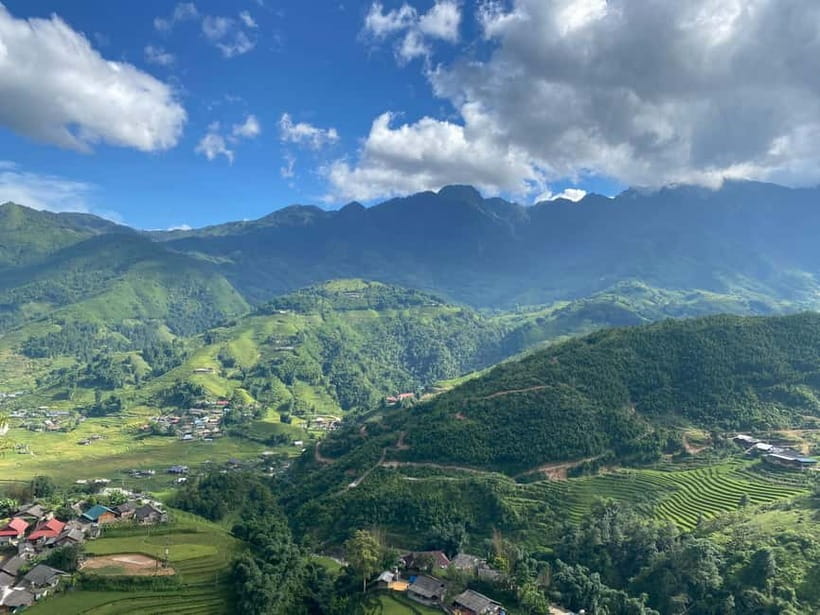
When you reach Sapa town around 13:00–13:30, you’ll get welcome drinks and a detailed itinerary briefing. Then you’ll get lunch featuring Vietnamese dishes before the trek begins.
One of the neat things here is the quick cultural context. You’ll see traditional clothing associated with H’mong, Dzao, and Tay ethnic people when you arrive, which helps set the tone before you head into the villages.
This part isn’t a long city tour. It’s more of a launchpad—enough to orient you and set expectations for the next hours.
Day 1 from Y Linh Ho to Lao Chai and on to Ta Van by 16:00
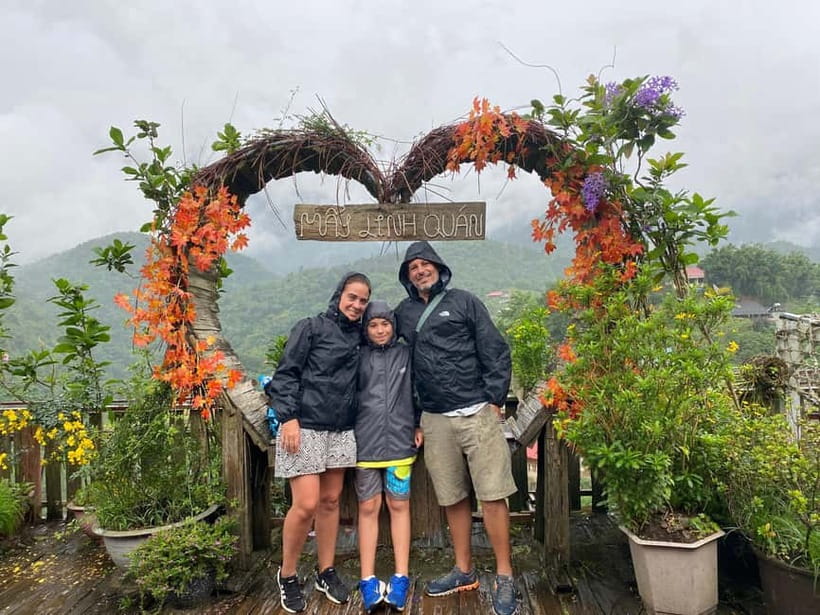
Day 1 follows a clear trekking arc: you walk from the area of Y Linh Ho village and then continue to Lao Chai, before heading into the Muong Hoa valley to reach Ta Van.
After lunch in Sapa town, you trek about 6 km to Y Linh Ho village, then continue another 3 km to Lao Chai village. There’s also a small tunnel or bridge along the route before you continue into the valley and arrive in Ta Van by about 16:00.
Why this day works for the right traveler
- You’re not just walking randomly. The route connects well-known village areas in a way that keeps the story moving.
- Midday to late afternoon timing is ideal for getting into your homestay night without losing the whole evening to transit.
Possible drawback to keep in mind
- It’s still a full trek day. People who aren’t used to consistent walking may feel it by the end, especially if weather is cold or damp.
- Village stops can involve sales pressure. If you want to minimize friction, set your approach in advance: expect offers and decide what you’re comfortable with before you reach the busiest areas.
By the time you arrive in Ta Van, you check in at your homestay and can finally slow down.
Ta Van homestay night: where the day’s walking becomes a real story
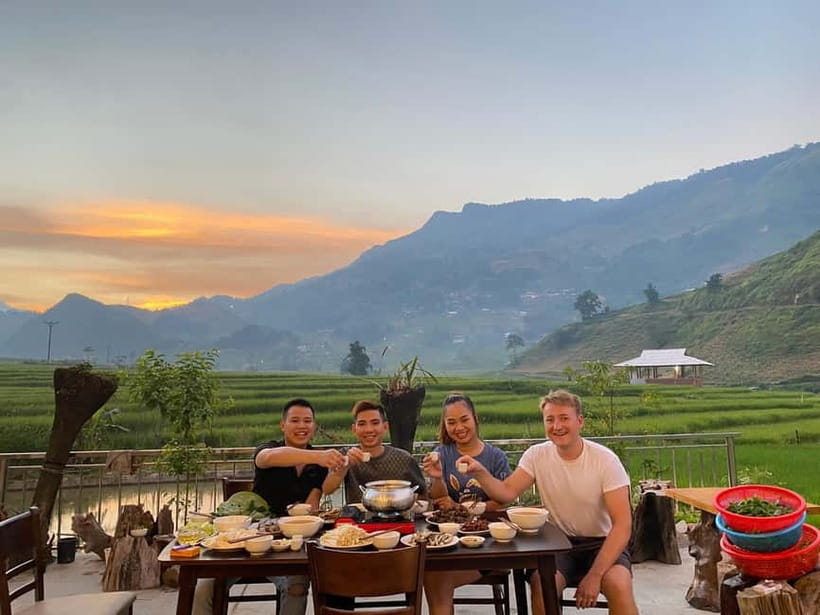
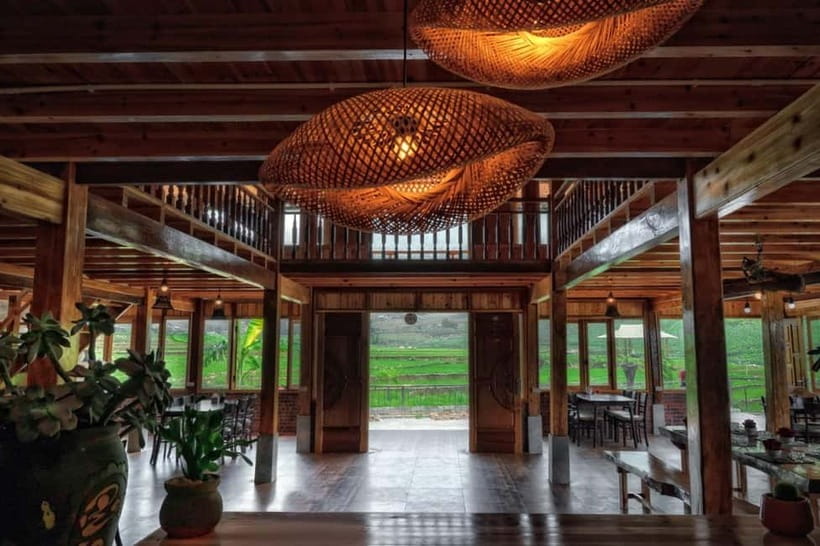
Your included stay is at Mountain Light Homestay in Ta Van village for one night. After check-in, you get a cooking class focused on making Vietnamese spring rolls, followed by dinner with local food.
This is one of the strongest parts of the itinerary because it changes the nature of the day. Trekking can feel like effort—homestay food and cooking turn that effort into something personal and memorable.
A few things to be ready for
- Homestays are typically more simple than hotels. You’re trading modern comfort for local experience.
- Cooking classes are hands-on. Even if your technique is clumsy at first, you’ll learn by doing.
If you like food as a way of understanding culture, this night is a major reason to book.
You can also read our reviews of more tours and experiences in Hanoi
- Doris Cruise 5 star cruise 2 days visiting Halong Bay Lan Ha Bay private balcony
★ 5.0 · 2,338 reviews




Day 2: Giang Ta Chai and Supan, then back to Sapa for the Hanoi bus
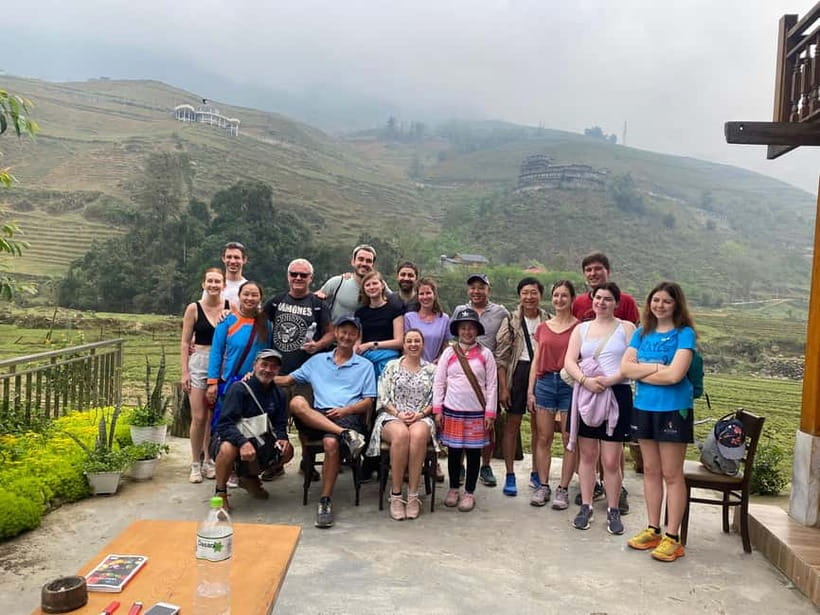
You start Day 2 with breakfast at the homestay, then trek through Giang Ta Chai Village and Supan Village. The day’s walk totals 8 km.
Giang Ta Chai includes Red Dao community traditions, and the route is set up to give you that direct village-to-village connection rather than only passing through.
After the trek, you’ll have lunch at a local restaurant. Then you relax before heading back to Sapa town.
The timing is pretty tight but designed to protect sleep and schedule:
- A car pickup happens around 14:00
- You return to Sapa town by then
- You meet the group and board the bus back to Hanoi around 15:00–15:30
- You reach Hanoi around 21:30
This day doesn’t feel as long on paper because the trek is shorter than Day 1. But it can still feel demanding because you’re stacking another walking session after the homestay night.
Sapa time and how this trip keeps it realistic
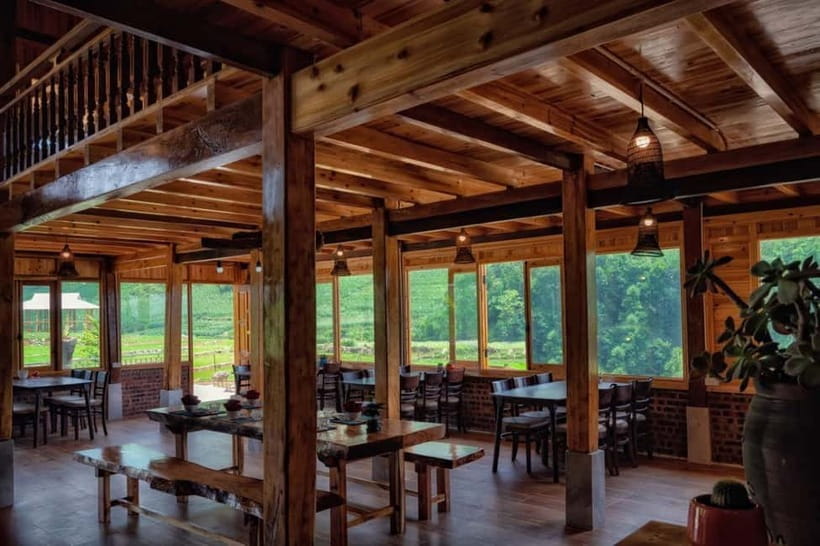
This package doesn’t promise a huge Sapa city sightseeing list. You get leisure time in and around Sapa town, plus the arrival and orientation window that comes right after lunch on Day 1.
That’s a feature, not a bug. Sapa can easily turn into “sightseeing fatigue” when you’re trying to see everything. Here, the focus stays on the villages and the homestay experience.
If you want museums, markets, and long café breaks, you might find you don’t have enough time. But if your priority is walking, meeting people, and eating well, the pacing makes sense.
Weather can change the vibe fast, so dress for cold and fog
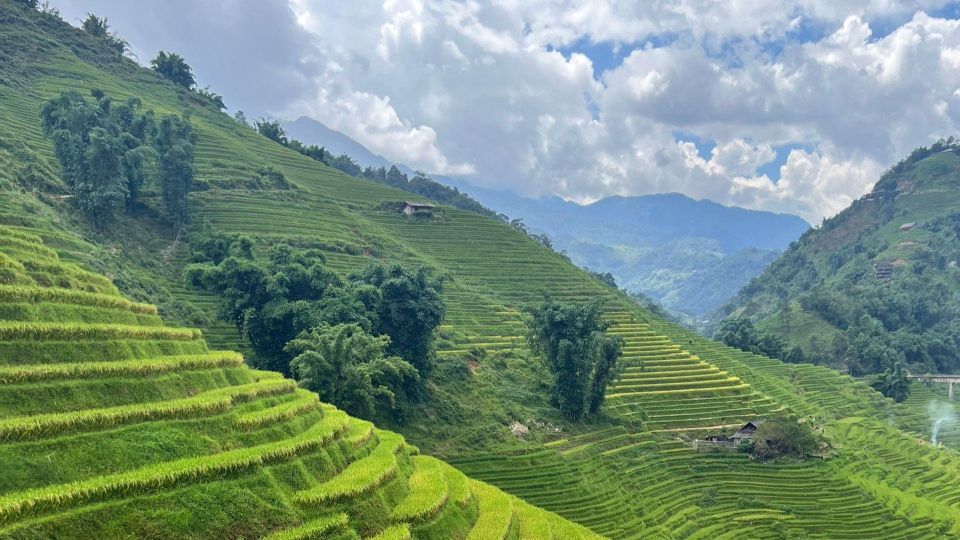
Sapa weather can swing, and some days come in cold and foggy. When conditions are rough, it’s more important than ever that you’re following a guide and staying on route.
The trekking is designed with tracking in mind, so even when visibility drops, the plan helps keep things controlled. Still, you’ll feel the cold more on mornings and shaded paths.
What to wear and bring, based on how this trip runs
- Warm layers you can keep on during trekking breaks
- Waterproof or quick-dry shoes
- A light rain layer or wind protection, just in case
If you go without warm gear, you’ll still do the trek, but it may feel harder than it should.
Food on this tour: two lunches, one dinner, and a homestay breakfast
Meals included are part of the value. You get:
- 2 lunches
- 1 dinner
- 1 breakfast (from the homestay)
Plus there’s a welcome drink after you arrive in Sapa town.
Food highlights you can expect:
- Lunch on Day 1 includes local Vietnamese dishes.
- Dinner at the homestay is local and fits the community setting.
- The spring roll cooking class adds a fun, hands-on food memory that lasts longer than just eating.
If you’re the type who gets tired of repetitive meals on the road, this plan helps. You’re eating in different settings, and the cooking lesson gives you a skill you can repeat later.
Cost and inclusions: what $60 actually covers
At $60 per person, this price is mainly attractive because it bundles the big stuff: transport, guiding, a homestay night, and most meals.
Included:
- Sleeping bus Hanoi–Sapa–Hanoi with modern facilities
- English-speaking tour guide during the trip in Sapa
- 1 night at a Ta Van homestay (Mountain Light Homestay)
- Meals: 2 lunches, 1 dinner, 1 breakfast
- Entrance tickets as in the itinerary
Not included:
- Government tax
- Beverages
- Travel insurance
- Single supplement (also no private rooms listed)
- Public holiday surcharge
So when is it good value?
- If you want guided trekking without extra planning
- If you’re okay with shared, simple homestay lodging
- If you want most meals handled for you
When it’s not the best match
- If you insist on private rooms
- If you want a flexible route where you choose your own hiking stops each day
- If you don’t want any sales pressure during village visits, since that can pop up at certain points on the trek
Trek fitness check: how much walking is built in
The itinerary includes meaningful distances:
- Day 1: 6 km to Y Linh Ho, then 3 km to Lao Chai (and additional connecting segments to Ta Van)
- Day 2: 8 km trek to Giang Ta Chai and Supan
That total of roughly 17 km on your feet over two days is the main fitness consideration. One strong piece of feedback from real experience is that the tour needs stamina, because you’re walking a lot.
If you’re used to daily walking at home, you’ll likely be fine. If you’re mostly sedentary, train a bit before you go—long walks on uneven ground are especially helpful.
Also remember: cold weather makes the same trail harder. Slow down, drink water, and keep your pace steady.
A balanced note on village visits and sales pressure
This tour is built around village stops, and village life includes small businesses and craft selling. The catch is that some people felt the sales approach could be too pushy.
My advice is simple and practical:
- Decide your budget for purchases before you start.
- If you’re not buying, be polite but firm.
- Keep your attention on the walk and the people, not the constant negotiation.
You can still have a respectful, meaningful day even if you choose not to buy. But you should go in with eyes open.
Should you book this Sapa homestay trek from Hanoi?
Book it if you want a Sapa trip that is mostly about walking + real community time, with a homestay dinner and a spring roll cooking class that turns the day into something tangible. The included modern sleeping bus and meal plan make it a strong value if you’d otherwise spend extra time coordinating transport and food.
Skip or rethink it if:
- You’re not comfortable with around 17 km of trekking across two days
- You need private rooms and higher comfort standards than a homestay
- You know sales pressure in market-style settings will stress you out
Overall, this is a solid choice for travelers who like structure, culture through daily life, and a guided route that keeps you moving without guesswork.
FAQ
What times does the tour pick you up in Hanoi?
The pickup from your Hanoi hotel is between 6:00 and 6:30 AM.
When do you arrive in Sapa, and what happens first?
You typically arrive in Sapa town around 13:00–13:30, then you receive welcome drinks, an itinerary briefing, and lunch before trekking begins.
How much trekking is included over the two days?
Day 1 includes a trek of about 6 km to Y Linh Ho, plus 3 km to Lao Chai. Day 2 includes an 8 km trek to Giang Ta Chai and Supan Village.
Is there an English-speaking guide?
Yes. An English-speaking tour guide is included during the trip in Sapa.
What meals are included in the price?
You get two lunches, one dinner, and one breakfast.
Where do you stay overnight?
You stay one night at a homestay in Ta Van village (Mountain Light Homestay).
You Might Also Enjoy



More 2-Day Experiences in Hanoi
- Doris Cruise 5 star cruise 2 days visiting Halong Bay Lan Ha Bay private balcony
★ 5.0 · 2,338 reviews