
REVIEW · GUIDED
Explore Bat trang village & Ceramics factories / local guide
Book on GetYourGuide →Operated by Authentic Bat Trang · Bookable on GetYourGuide
Pottery starts with your hands. This half-day Bat Trang Ceramic Village trip from Hanoi takes you from working factories to a real try-it-yourself pottery class.
I love the close-up factory process—you’ll see how Vietnamese ceramics are hand crafted and hand painted, not just displayed on shelves. I also love the stop at Lo Bau Co, the oldest Vietnamese pottery kiln, where you get a sense of how long this craft has mattered.
One possible drawback: lunch is included, so if you’re vegetarian, tell the team in advance so your meal is handled well.
In This Review
- Key things that make this Bat Trang tour worth your time
- Bat Trang is close enough for a full craft day
- The factory visits: what you’re actually learning
- Lo Bau Co: the oldest kiln stop you’ll remember
- Wandering Bat Trang Traditional Village (and shopping with a brain)
- Lunch in the middle: good fuel, not an afterthought
- Pottery class: making something real (and understanding firing)
- Price and value: does $50 feel fair for Bat Trang?
- Who this tour is best for
- Quick practical tips before you go
- Should you book this Bat Trang Ceramic Village pottery tour?
- FAQ
- How far is Bat Trang from Hanoi’s Old Quarter?
- Where do we meet for the tour?
- How long is the tour?
- What’s included in the price?
- What language are the guides?
- What are the main stops during the day?
- Is lunch included?
- I’m vegetarian. What should I do?
- Does the tour fire and glaze the pottery you make?
- What’s the cancellation policy?
Key things that make this Bat Trang tour worth your time
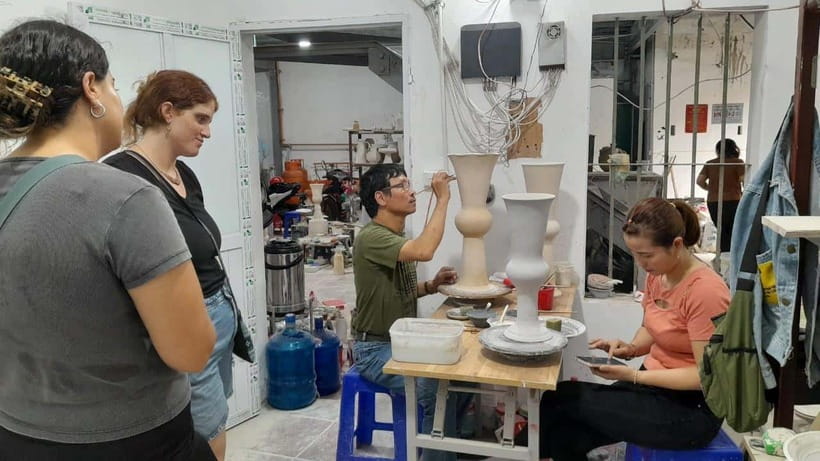
- Hands-on pottery class: you don’t just watch, you make pieces
- Factory + painting steps: see how decoration happens, not only finished products
- Lo Bau Co (oldest kiln): a meaningful history stop you can actually see
- A local guide in English/Vietnamese: helpful explanations while you walk and work
- Authentic Vietnamese lunch: built into the flow so you don’t have to plan meals
Bat Trang is close enough for a full craft day
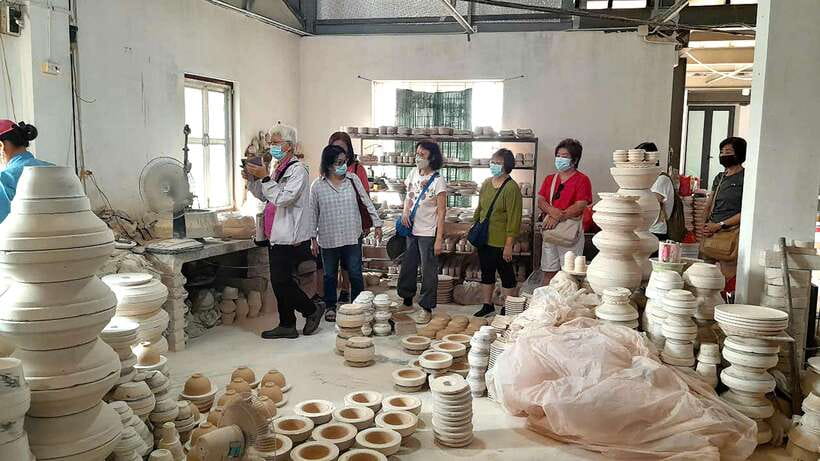
Bat Trang sits about 15km from Hanoi’s Old Quarter, so you’re not sacrificing a whole day just to reach the workshop world. The tour is listed as a valid 7 hours (you’ll want to check the specific starting time you book), which gives you enough time to move through the village without feeling rushed.
The meeting point is convenient for most visitors: 115 P. Hàng Gai, and you return there at the end. That matters if you’re trying to keep the rest of your Hanoi plans simple—no need to figure out taxis from the outskirts after your hands are full of clay (and maybe a few souvenirs).
You can also read our reviews of more guided tours in Hanoi



The factory visits: what you’re actually learning
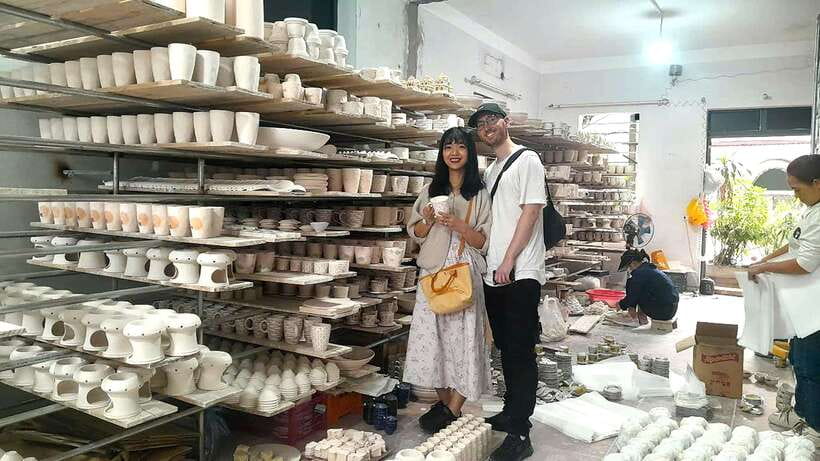
This experience centers on seeing ceramics made the way they’re made in Bat Trang: step-by-step, from production to decoration. You start with time at a pottery-making and painting factory, where you can watch the workflow and get a real sense of how the craft holds together.
What I like about this part is the practical clarity. Ceramics isn’t one skill—it’s a chain of careful actions: shaping, drying, firing, and then the decorative work that turns plain forms into recognizable style. Watching the process helps you shop smarter later, because you’ll know what’s labor, what’s technique, and what’s mostly surface decoration.
A small heads-up: factory time is exactly where you’ll get the most benefit from a good guide. The tour includes an English/Vietnamese guide, and that’s important when you’re trying to understand what you’re seeing and why certain designs and textures show up on particular pieces.
Lo Bau Co: the oldest kiln stop you’ll remember
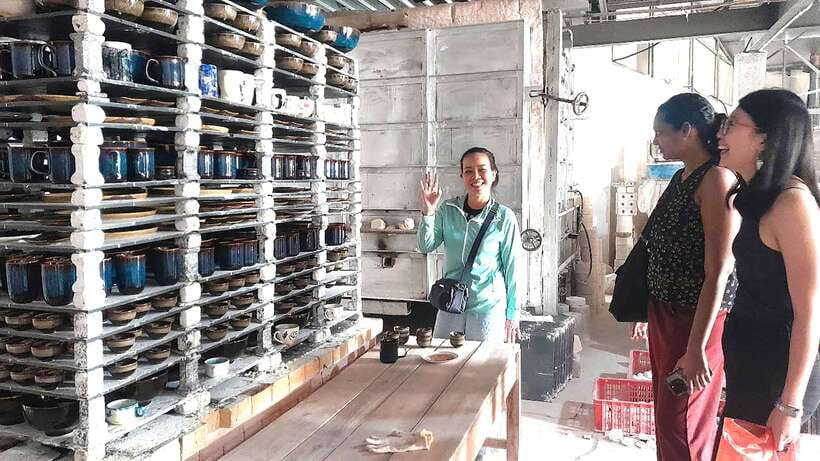
The tour includes Lo Bau Co, identified as the oldest pottery kiln in Vietnam. This stop changes the tone of the day from “look at cool stuff” to “wait, people have been doing this for generations.”
When you’re in a ceramics village, it’s easy to treat everything like a modern craft market. The oldest-kiln visit gives you context: this is a craft tradition with serious roots, and it still drives the local economy.
If you care about meaning as much as visuals, don’t treat Lo Bau Co as a quick photo stop. Give it a few minutes longer than you think you need. Stand there and pay attention to how the site feels and what your guide explains about how the kiln supports the making process.
Wandering Bat Trang Traditional Village (and shopping with a brain)
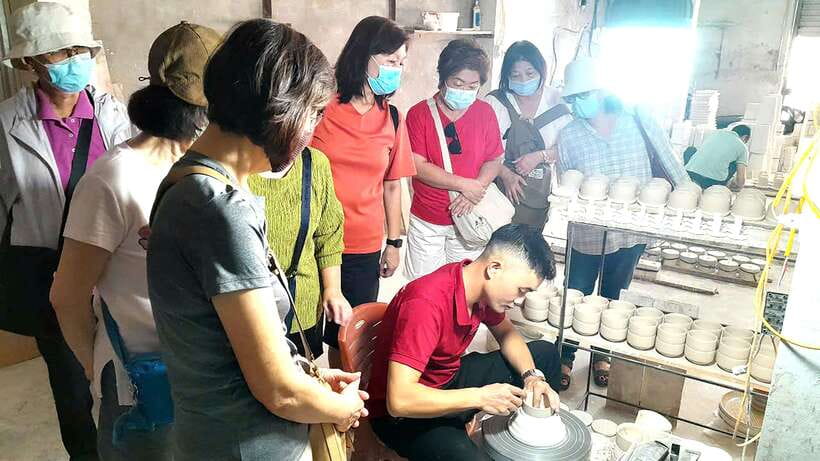
After the factory side of things, you shift into Bat Trang Traditional Village time. This is where the village atmosphere shows up: workshops, ceramics everywhere, and lots of opportunities to browse.
The value here is that you’re no longer shopping cold. Because you already saw the making and painting workflow, you’ll have a better eye for quality—things like how designs look when they’re applied thoughtfully, and the difference between mass-produced looks and more careful finishing.
You also get a guided path through the areas tied to the tradition, which helps you avoid the common problem of spending your whole “village time” lost in the shopping lanes. I like that the tour sequence brings you to the village after the technical parts, so your curiosity has context.
Tip: if you’re shopping, go in with a target—one everyday item (like a bowl or small dish) and one “I’m glad I did this” piece (a decorative or collectible style). It keeps you from drifting into overbuying.
Lunch in the middle: good fuel, not an afterthought
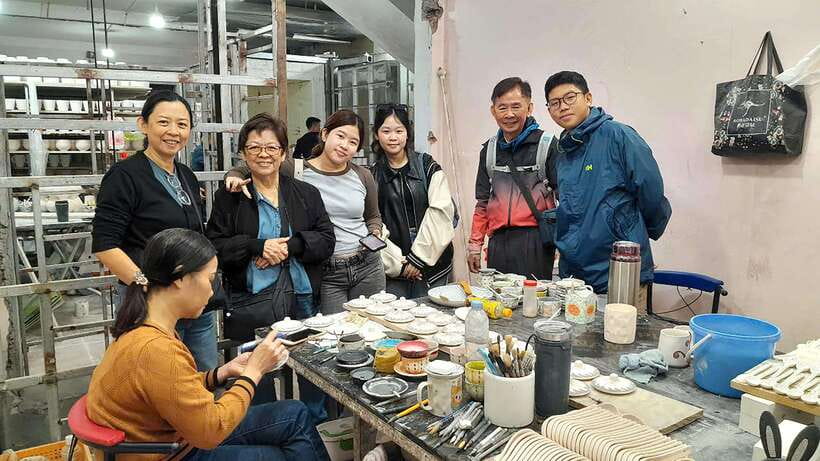
An authentic Vietnamese lunch is included, which is a practical win. When a tour feeds you, it keeps the day flowing and prevents the classic Hanoi problem: you end up hungry, cranky, and paying tourist pricing for whatever’s closest.
There is one key consideration: the day includes a vegetarian note. If you’re vegetarian, the tour’s information says you should inform prior to your visit. That’s worth taking seriously because “we can do something” often turns into “not much is available” unless the team knows your needs early.
Once you’re seated and fed, you’ll usually have the energy to enjoy the final portion—especially the pottery class, where you’ll want your hands to cooperate.





Pottery class: making something real (and understanding firing)
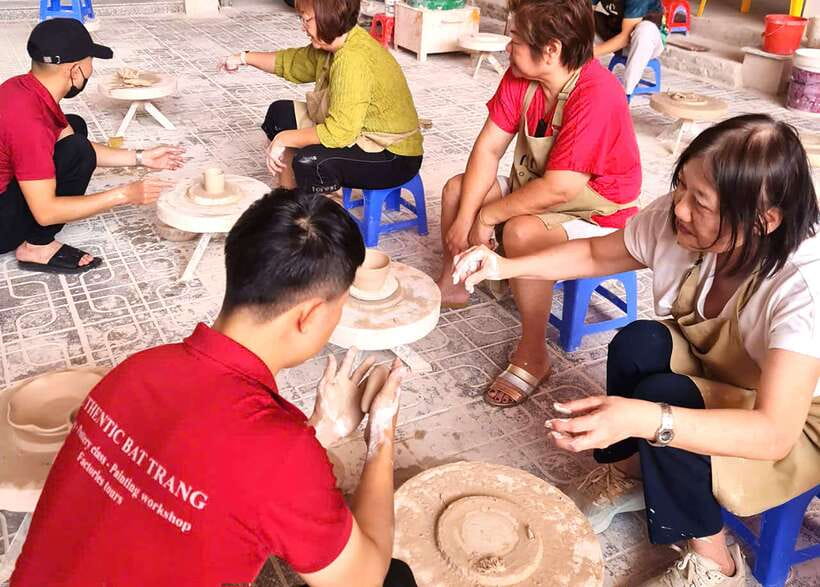
The highlight for many people is the chance to participate in a pottery class. This is the part where your visit stops being just observational and turns into a hands-on craft memory.
During class, you’ll make pottery pieces while a guide and the studio team help with the process. One of the best practical takeaways from the experience is that your effort may not end on the spot. A guest shared that they made three pieces, and one piece was planned to be fired and glazed for free, while extra pieces would require an additional payment (they described it as reasonable). The point for you: treat this class as a “make it now, care for the results later” experience.
Also think about timing. If you’ll be leaving Hanoi soon, you may need your fired pieces handled after class. One guest mentioned posting fired pieces to a different destination after their trip, and encouraged taking the pottery early if you want it sent on. If you’re in a hurry, ask the team the day of class about what happens to your pieces and what options you have for getting them home.
Price and value: does $50 feel fair for Bat Trang?
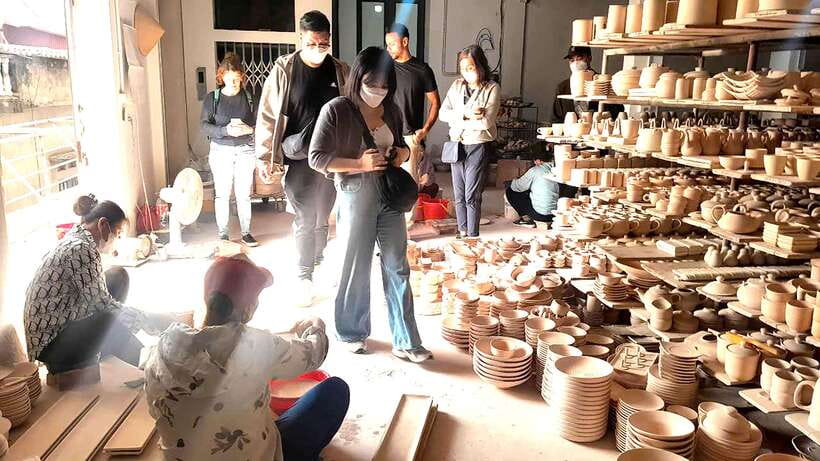
At $50 per person (with availability for starting times), this tour sits in the “serious value” zone if you care about more than a quick factory photo. You’re not only paying for entry and transport; you’re paying for a guided day that includes:
- Round-trip transport between Hanoi and Bat Trang
- Entry tickets to Bat Trang Ceramic Village
- Lunch
- Materials for the pottery class
- An English/Vietnamese guide
If you’ve ever compared a pottery class booked separately versus a guided, structured half-day with lunch and factory stops, this package becomes easier to justify. The class materials and the guide time are often where the real value hides.
Where cost can feel like a mismatch is if you mainly want browsing and buying, with zero interest in learning or getting your hands dirty. For pure shoppers, Bat Trang can be visited on your own. For people who want the “how it’s made” story plus a souvenir you actually made, this is a strong deal.
Who this tour is best for
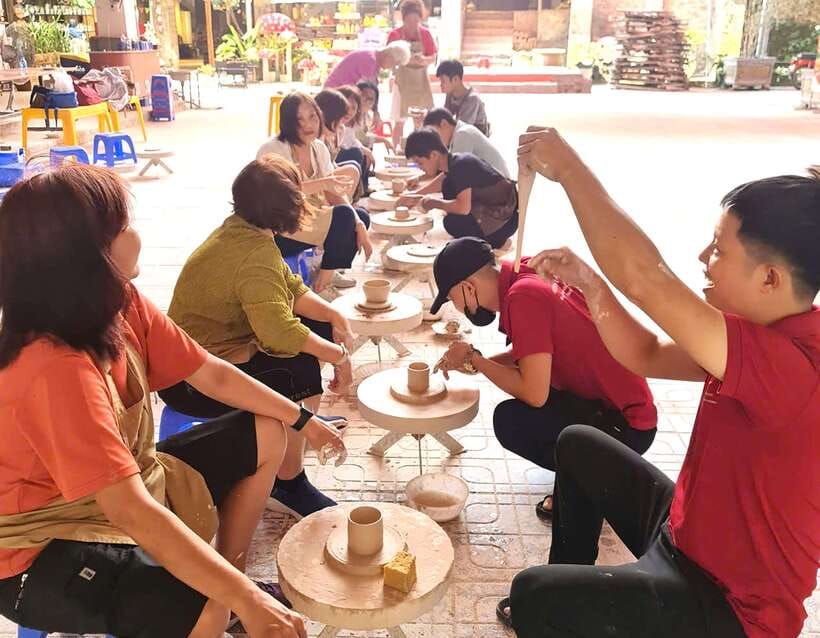
This experience is a good fit if you want a craft-focused day without spending your time coordinating details.
I think it especially suits:
- First-timers to Bat Trang who want the important stops in one flow
- People who enjoy learning through doing, not just watching
- Travelers who want a meaningful history stop (Lo Bau Co) with hands-on output (the class)
- Families or mixed groups where adults and kids can both get something from the pottery making
If you’re short on time and only want to buy ceramics, you may not need the full structure. But if you want to understand what you’re buying and create something yourself, the tour hits the right notes.
Quick practical tips before you go
A few small moves make the day smoother.
- Wear clothes you don’t mind getting a little dusty. Even if the studio is clean, pottery work can be messy.
- Bring a sense of humor about your first attempts. Clay is forgiving, but it doesn’t care about perfection.
- If you’re vegetarian, flag it early for lunch planning.
- If you might want your fired pieces shipped, plan ahead. Ask what the process is for after class so you don’t scramble at the end of your Hanoi stay.
Should you book this Bat Trang Ceramic Village pottery tour?
I’d book it if you want more than a marketplace visit. The combination of factory observations, the Lo Bau Co kiln stop, included lunch, and a hands-on pottery class gives you both story and skill.
Skip it if your main goal is just shopping and you’re not interested in the making/painting side or in getting your hands involved. Otherwise, this is one of those Hanoi day trips where the time feels used well—and you walk away with a better understanding of Vietnamese ceramics, plus a piece of work you made yourself.
FAQ
How far is Bat Trang from Hanoi’s Old Quarter?
Bat Trang Ceramic Village is about 15km from Hanoi’s Old Quarter.
Where do we meet for the tour?
The tour starts at 115 P. Hàng Gai.
How long is the tour?
It’s listed as valid 7 hours, and you should check your specific booking for starting times.
What’s included in the price?
The tour includes transport to and from Bat Trang, entry tickets, lunch, materials for the pottery class, and an English/Vietnamese guide.
What language are the guides?
Guides are available in English and Vietnamese.
What are the main stops during the day?
You’ll visit a pottery-making and painting factory, Lo Bau Co (the oldest pottery kiln), and the Bat Trang Traditional Village—then you’ll take part in a pottery class.
Is lunch included?
Yes. The tour includes an authentic Vietnamese lunch.
I’m vegetarian. What should I do?
You should inform the team prior to your visit, since lunch is included and the tour notes vegetarian guests should let them know ahead of time.
Does the tour fire and glaze the pottery you make?
During the pottery class, one guest shared that one piece was set to be fired and glazed for free, while extra pieces require an additional payment.
What’s the cancellation policy?
There is free cancellation up to 24 hours in advance for a full refund.