REVIEW · HANOI
20 -Day Highlights of Vietnam, Cambodia & Thailand | Best 2026-27
Book on Viator →Operated by Authentic Adventures · Bookable on Viator
Three countries in one smooth rhythm. This 22-day highlights trip strings together Hanoi, Halong Bay, Hue, Hoi An, Ho Chi Minh City, Phnom Penh, Siem Reap, and Phuket with guide-led sightseeing and domestic flights that keep the travel day stress low.
What I like most is the way it handles the big logistics for you. You get private-room accommodation and most major entry fees and meals folded into the price, so you can spend your energy on temples, markets, and the kind of scenery you can’t plan on your own.
One caution: it’s an active, multi-country run. Expect early starts, long days, and several transfers, so if you want total free-floating flexibility, this schedule may feel packed.
In This Review
- Key things to know before you go
- The big picture: what this tour does well
- Hanoi arrival made easy: airport meet and first-day orientation
- Hanoi classics: Temple of Literature and a good day pacing
- Halong Bay sunrise: the cruise day that sets the mood
- Ninh Binh: Hoa Lu temples, Tam Coc boats, and bike time
- Hue and Da Nang: imperial scale, tomb artistry, and Thien Mu calm
- Hai Van Pass to Hoi An: a transfer day that doubles as a highlight
- Hoi An cooking class and Bay Mau coconut forest
- Free time in Hoi An: letting the town work its magic
- Ho Chi Minh City plus Cai Be and the Mekong markets
- Cu Chi Tunnels: guided history with an emotional weight
- Phnom Penh: Royal Palace views and Tuol Sleng’s reality check
- Siem Reap and Angkor Thom: South Gate and Bayon towers
- Phuket finale: three leisure days after a fast pace
- Price and value for 2026-27: what you’re really paying for
- Group size, guides, and transport: how the day-to-day feels
- Who this tour is best for
- Should you book this 20-day highlights tour?
- FAQ
- Where does the tour start?
- How long is the tour?
- What is the tour price per person?
- Are domestic flights included?
- Is accommodation included, and is it a private room?
- Do I need to pay entrance fees for the included sights?
- Are meals included?
- What is not included in the price?
- What is the group size limit?
- Can I cancel for a full refund?
Key things to know before you go

- Small group size (max 12) for more personal guidance through crowded sights.
- Airport meet in Hanoi with a private driver holding your name sign for a calm first step.
- Halong Bay sunrise with Tai Chi on deck, plus a cave visit that breaks up the cruise time.
- Ninh Binh day-trip feel: Hoa Lu history in the morning, then Tam Coc boat rides and cycling.
- Three different countries’ cultural styles in sequence: Vietnam imperial sites, Cambodia’s Angkor scale, then Thailand beach time.
- Phuket wind-down with several leisure days to catch your breath at the end.
The big picture: what this tour does well
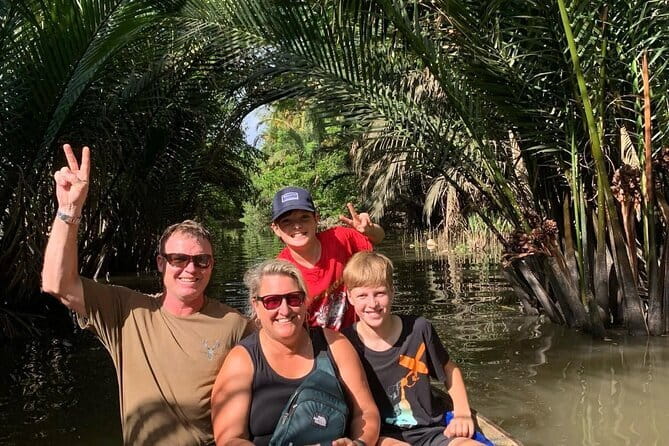
This is the kind of trip that works if you like highlights but still want things to feel organized once you land. You move city to city with transport handled, and you still get real time at the places people travel for: pagodas and museums in Hanoi, Halong Bay on a cruise day, UNESCO-level stops in Hue and Angkor, and then a Thailand finale with downtime instead of constant sightseeing.
The best value angle here is not just the number of days. It’s how the tour reduces the friction that usually eats your vacation time: the domestic flights, the air-conditioned vehicles, the guide coverage, and the included entry fees. You’re not hunting down tickets, figuring out which transfer goes where, or trying to stitch together a route across three countries on a tight schedule.
The second value angle is the human side. From what I’ve seen in the tour’s own customer feedback, support tends to be responsive when plans change or when you have questions. Names like Tran and Hang pop up in messages about support and hospitality, and Son is mentioned for availability during the trip. That’s exactly what you want when you’re bouncing between countries.
You can also read our reviews of more tours and experiences in Hanoi.

Hanoi arrival made easy: airport meet and first-day orientation
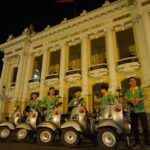
Hanoi starts with a private driver meeting you at the airport with a signboard holding your name. That matters more than it sounds. Hanoi can be chaotic on your first day, and having someone escort you straight to your accommodation helps you settle instead of bargaining with taxis or worrying about directions.
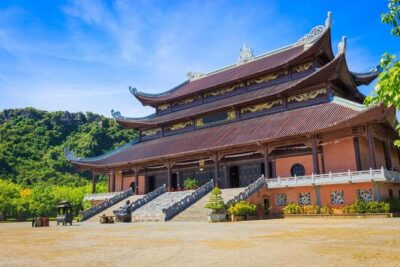
After check-in, the first full sight day focuses on classic Hanoi landmarks with a good mix of religion, politics, and learning. You’ll go to Chùa Trấn Quốc, often described as Hanoi’s oldest pagoda, built in the 6th century. It’s a calm start that sets the tone: you’re not just ticking boxes; you’re getting grounded in what has been happening in this city for centuries.
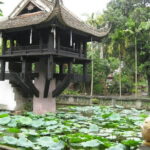
Then comes the Ho Chi Minh Mausoleum complex and the surrounding garden areas, including the houses where he lived and worked from 1954 to 1969. You also visit One Pillar Pagoda as part of this overview day. This is a heavy topic day, so if you’re sensitive to political history, just give yourself a moment between stops so it doesn’t all blur together.
Finally, you get a strong education stop with the Vietnam Museum of Ethnology, known for being large and interesting, with both indoor and outdoor sections. It’s a smart counterbalance to the monuments, because it helps you understand the country’s many cultural groups beyond what’s written on souvenir magnets.
Hanoi classics: Temple of Literature and a good day pacing
The Temple of Literature (Quốc Tử Giám) rounds out the Hanoi sightseeing with something that feels more local and reflective. It’s tied to Vietnam’s early educational system and dates back to the 11th century, which gives you a sense of how long Hanoi has been a learning center.
A practical note: this day has multiple sites clustered in reasonable travel time, so you can keep your energy. Your timing also matters because some of these places can get crowded. If you’re the type who likes photos without a wall of heads, arrive ready to move through at your own pace once the crowd thins.
Also, don’t ignore the built-in decompression moments. The tour has a rhythm: morning major stops, then a museum or temple later. That pacing is one of the reasons the trip feels less chaotic than many “highlights only” itineraries.
Halong Bay sunrise: the cruise day that sets the mood

Halong Bay is where the trip shifts from city history to nature-scale drama. You leave Hanoi and head toward Halong Bay via the Red River Delta, and you’ll pass long stretches of rice paddies along the way. It’s the kind of travel day that turns into a scene you’ll remember later, not just a boring transfer.
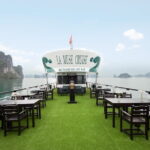
On the water, there’s an early start for sunrise viewing. Then breakfast is served in the dining room, followed by Tai Chi on the sun deck. That combination is practical and atmospheric: morning air is usually the clearest, and the gentle movement is a nice way to wake up before you start exploring.
You also get a limestone cave visit after the cruise morning. Cave stops in Halong are popular for a reason, but it helps to go with the right mindset: expect a guided walkthrough, some walking, and a few moments where the “look at the ceiling” factor matters more than comfort.
One consideration: sunrise tours tend to mean you’ll feel the schedule on your body. If you dislike early mornings, this is a day you should prep for—bring a layer, because mornings can feel cooler on the water.
Ninh Binh: Hoa Lu temples, Tam Coc boats, and bike time
Ninh Binh often gets summed up as Halong Bay on land, but the better way to think about it is as a place where limestone karst scenery meets a very walkable local day. You travel there from the region around Halong, then do Hoa Lu temples of the Dinh and Le dynasties as your history anchor.
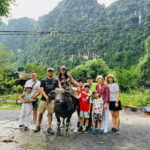
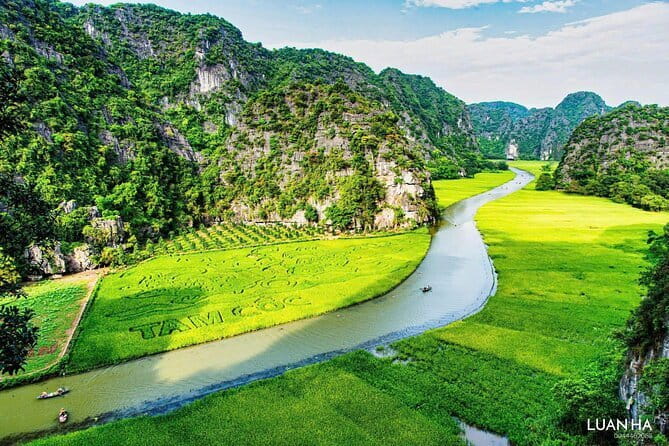
After that, you get Tam Coc and Bich Dong with a boat ride through karst formations and then cycling time on quieter roads. The boat ride is usually the most iconic part, because you glide past views that look different from every angle, and it’s relaxing compared to a full day of walking.
Tam Coc also tends to be busy, so here’s your best move: enjoy the ride, then use cycling to stretch your legs when the boat time is done. That gives your day variety instead of repeating the same environment.
This is also a great “rest from big cities” day. It’s not a beach day, but it feels like you get out of the urban rhythm without losing the guided structure.


Hue and Da Nang: imperial scale, tomb artistry, and Thien Mu calm

Hue brings back the imperial vibe. You fly from the north into Hue, then later include Da Nang context for the overall Central Vietnam arc.
The highlight here is the Imperial City (UNESCO). You’re walking through spaces tied to Vietnam’s royal past, and the size can feel imposing. The best approach is to let your guide frame what you’re seeing instead of trying to translate every detail in your head. When the site is huge, guidance helps you not miss the meaning.
You then visit the Tomb of Khải Định (Ứng Mausoleum). This tomb is known for its blend of styles, and it rewards slow looking. If you like architecture, you’ll enjoy this stop more than you might expect.
Then there’s Thien Mu Pagoda, perched on the banks of the Perfume River. This is where the day softens. After imperial stone, you get a calmer, more spiritual scene with a view that feels like you could sit for a while even if your schedule doesn’t allow it.
A practical drawback to note: Hue can mean hills and stairs around major sites. Wear good shoes and don’t plan on spending your evening doing “just one more stop.” Let the pagoda calm actually calm you.
Hai Van Pass to Hoi An: a transfer day that doubles as a highlight
You travel from Hue to Hoi An by private car, and the drive takes you over Hai Van Pass. Even if you don’t care about the road trip angle, this is a smart inclusion because it breaks up the day. You’re not only transporting; you’re seeing a changing coastline mood and getting that Central Vietnam travel glow.
Hoi An then becomes your base for the next few days, with enough structure to keep things easy and enough open time to explore without a leash.
Hoi An cooking class and Bay Mau coconut forest
Hoi An shines when you combine food and place. The cooking class is run at Red Bridge Cooking School, and it includes a market visit with the chef for ingredients before you cook. That market step is important. It turns the class into a small cultural lesson, not just recipe-making.
After lunch, you continue with Bay Mau Coconut Forest, an ecotourism area known in Hoi An for quiet trails and local nature. This is a nice change from the town’s heritage streets. It also gives you a chance to reset after the mental work of Old Town wandering.
One thing to watch: cooking classes usually mean you’ll be active, standing, chopping, and tasting. If you’re the type who hates getting hands messy, still go. You can be careful and still enjoy it, and it’s one of the most memorable “you did something” moments of the trip.
Free time in Hoi An: letting the town work its magic
You also get a free day to explore Hoi An at your own pace. That matters because Hoi An is one of those places where you don’t have to do everything to enjoy it. The town has Japanese merchant houses, pagodas, temples, and antique warehouses. Even if you only choose two or three areas, the atmosphere fills in the rest.
If you want practical planning advice: pick one “must-see” block in the morning, then give yourself a longer lunch break. Heat and crowds can build in the afternoon, and slow down to match the town’s pace. The tour’s structure is flexible enough that you can do that without feeling like you’re falling behind.
Ho Chi Minh City plus Cai Be and the Mekong markets
From Hoi An, you fly to Ho Chi Minh City, then move into the Mekong region with Cai Be and Cai Rang Floating Market days.
Cai Be starts with a boat ride tied to what used to be a renowned wholesale floating market on the Tien River. You then ramble through small villages, including visits that introduce how locals live and small family businesses that make coconut fudges and other goods. This is exactly the kind of stop that feels more “people-focused” than “only sightseeing.”
Then comes the Lower Mekong River excursion with a boat ride through tributaries and a stop at Cai Rang Floating Market, described as the most vibrant floating market in the area. Market days can be sensory overload, but they’re also some of the most authentic scenes you’ll get on a short schedule because they run on real routines, not show times.
Practical tip: market days are photo-heavy but also time-sensitive. Keep your schedule mindset. If you try to wander too long, you can miss the moment where boats and activity are most lively.
Cu Chi Tunnels: guided history with an emotional weight
The Cu Chi Tunnels day is one of those trips that sits in your memory longer than photos do. You’ll go with an English-speaking guide, and the tunnels are about 1.5 hours from Ho Chi Minh City.
The tour includes time to learn about how the tunnel system worked and what it meant during the conflict. Because the topic is heavy, it’s worth going in ready to absorb rather than treating it like a fun museum stop.
The tour includes an organized visit that helps you navigate the site without getting lost. Still, you’ll likely do some walking and standing. Bring water and wear shoes that work for uneven ground.
Phnom Penh: Royal Palace views and Tuol Sleng’s reality check
Cambodia’s entry point is Phnom Penh, starting with a day that includes the Royal Palace. It’s a royal residence now, and the emphasis here is the official setting and the scale of the complex.
Then you go to Tuol Sleng Museum (S-21), a former school used as a prison by Pol Pot’s security forces. More than 17,000 people held at S-21 were taken to the extermination camps. That line is the kind of fact that hits hard. This is not a casual visit, so take breaks. Let the guide’s explanations help you process what you’re seeing.
A practical consideration: S-21 can be emotionally draining, even if you’re well prepared. If you’re traveling with family members or older relatives, you may want to pace yourselves carefully in this portion of the trip.
Siem Reap and Angkor Thom: South Gate and Bayon towers
Siem Reap is where the tour’s scale turns up. You head there by bus, check into the hotel, and then visit Wat Thmey or Killing Field in the afternoon. The wording points to a glass-walled stupa associated with the Killing Fields experience, which is a specific detail. If you want to understand Cambodia beyond what you see in Angkor photos, this stop helps.
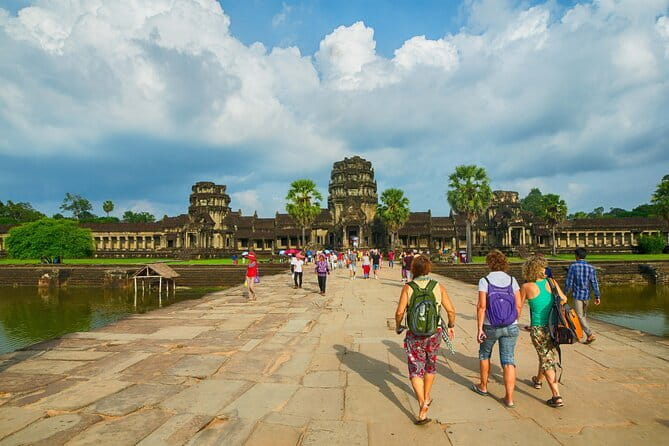
Then the next day is built around Angkor Thom. You visit the South Gate, Bayon Temple with its late 12th to early 13th century origins under King Jayavarman VII, and the Royal Enclosure. Angkor Thom is massive, and Bayon’s tower faces are the kind of sight you can’t rush.
Here’s the practical way to do it: don’t try to cover everything fast. Focus on a few key viewpoints with your guide’s help, then walk at a comfortable pace. Heat can build, so you’ll enjoy the day more if you pause for shade and water when you can.
Phuket finale: three leisure days after a fast pace
After Cambodia, the tour moves to Phuket by flight. You have multiple leisure days, which is exactly what you want after intense cultural sightseeing.
Your Phuket time includes immersing in the emerald water, and the final day adds a local market moment for souvenirs before departure. The wording suggests a more relaxed end: rather than more temple hours, you get space to swim, snack, and choose your own rhythm.
A practical note: the tour doesn’t spell out specific beach or restaurant inclusions for Phuket, so bring your own plan. Use the leisure days to explore at your pace, and don’t feel guilty if you repeat your favorite beach spot.
Price and value for 2026-27: what you’re really paying for
At $2,680 per person for roughly 22 days, this is positioned as a competitive, all-included-style package. The main value isn’t the low price number. It’s the scope: Vietnam and Cambodia culture on guided days, Thailand downtime, and multiple domestic flights. Those flights alone can add up if you book separately, especially across a packed route.
What’s included helps explain the value:
- Domestic flight tickets
- Accommodation in a private room
- Air-conditioned vehicle
- Tour guide
- Most entrance fees for included sightseeing
- Meals: breakfast (21), lunch (9), plus dinner
What’s not included is also clear: tips, alcoholic drinks, soft drinks, and personal expenses. That means you should still budget for daily drinks, snacks, and any extra purchases, especially in market areas.
My take on value: if you want a prebuilt route with less planning stress and you’re happy with a highlight-heavy pace, this price can feel fair. If you’d rather design your own multi-country itinerary and control every hotel and meal decision, you might find ways to spend less on a DIY plan. But the tradeoff is time and stress.
Group size, guides, and transport: how the day-to-day feels
This tour has a maximum of 12 travelers, which is small enough that guides can manage the group without feeling like a bus tour with no attention. In places like Hanoi and Angkor, where crowds and timing matter, a smaller group can make the experience smoother.
The reviews you shared also point to support that goes beyond the basic guide role. People mention Tran and Hang for support and hospitality, and Son for availability and professionalism. That matters because cross-border travel can create small surprises: timing shifts, questions about where to go next, or needing reassurance when you’re tired.
Transport is handled with air-conditioned vehicles and private-driver style transfers in key moments. That is the kind of detail you’ll feel most on travel days, when you want to get out of the heat and get moving.
The only real drawback in day-to-day terms is pace. You’ll move around enough that you can’t rely on “I’ll just sleep whenever.” If you’re okay with that, the structure works.
Who this tour is best for
This trip fits best if you:
- Want to hit major highlights across Vietnam, Cambodia, and Thailand
- Prefer a guided plan that handles flights, transfers, and key entry fees
- Like structured days with a few free blocks, especially in Hoi An and at the end in Phuket
It may be less ideal if you:
- Want lots of independent wandering every day with no early starts
- Are sensitive to emotionally heavy history stops like Tuol Sleng
- Need a fully slow itinerary for recovery between cities
Should you book this 20-day highlights tour?
If you want an organized route that still gives you memorable, authentic moments, I think this tour is a strong choice. The included flights, private-room stays, and guided entry to major sights make it a practical way to do three countries without turning your vacation into a logistics project. The small group size also helps keep the experience from feeling overly crowded or impersonal.
I’d only hesitate if you hate early mornings and packed days, because this trip keeps moving. The upside is that the schedule includes genuine decompression time later, with multiple Phuket leisure days after the heavier cultural stops.
If you’re the kind of traveler who likes having a plan but still wants to feel the place, this one is worth serious consideration.
FAQ
Where does the tour start?
The tour starts in Hanoi, Vietnam.
How long is the tour?
The duration is listed as 22 days (approx.).
What is the tour price per person?
The price is $2,680.00 per person.
Are domestic flights included?
Yes, domestic flight tickets are included.
Is accommodation included, and is it a private room?
Yes. Accommodation: Private room is included.
Do I need to pay entrance fees for the included sights?
No. All entrance fees for the included sightseeing destinations are included.
Are meals included?
Yes. The tour includes breakfast (21), lunch (9), and dinner.
What is not included in the price?
Tips, alcoholic drinks, soft drinks, and personal expense are not included.
What is the group size limit?
The tour has a maximum of 12 travelers.
Can I cancel for a full refund?
Yes. You can cancel up to 24 hours in advance of the experience start time for a full refund.