REVIEW · SAPA TREKKING TOURS
2-Night Sapa Tour with Fansipan Peak by Bus from Hanoi
Book on Viator →Operated by Crossing Vietnam Tour · Bookable on Viator
A night bus to Sapa beats a morning flight. This 2-night trip works like a shortcut: hotel pickup in Hanoi’s Old Quarter, an overnight sleeping bus, and you’re in Sapa early enough to start the day without feeling wrecked. I also like the built-in structure that keeps you moving between valleys, villages, and the peak without constant decision-making.
What you’ll love most is sleeping-bus logistics done for you, not DIY.
The best part for me is the human scale. This tour keeps things to a max of 15 travelers and uses an English-speaking guide during the active portions, plus pre-booked 3-star hotel time you don’t have to hunt down after trekking. In plain terms: less chaos, more time actually looking around.
That matters in Sapa, where the “quick plan” can turn into “where are we?” fast.
One consideration: this can feel more like a travel-agency package than one single guide walking you continuously for every minute. You may meet different staff at different stages, so if you want a guide glued to you start-to-finish, you’ll want to set expectations.
In This Review
- Key points at a glance
- Hanoi to Sapa Without Losing a Day on Transit
- Getting Your Bearings in Sapa: Breakfast, Rest, and Town Time
- Trekking 9km Through H’Mong Villages: Ta Van, Lao Chai, and Y Linh Ho
- The Part Between Stops: Why the Hotel Matters in Sapa
- Fansipan by Cable Car: Scenic Time at 2800m
- Price and Value: What $192 Covers (and What It Doesn’t)
- Logistics That Affect Your Comfort (Small Details You’ll Feel)
- Is This Tour for You? Who Will Enjoy It Most
- Should You Book This 2-Night Sapa Tour + Fansipan Peak?
- FAQ
- What time does the pickup happen in Hanoi?
- Where do the pickup and drop-off happen?
- How long is the tour, and how many nights does it include?
- Do I get to rest after arriving in Sapa?
- How much trekking is included, and which villages do you visit?
- How do you reach Fansipan Peak?
- What meals are included?
- Are entrance fees included?
- What happens if weather is poor?
- Is the tour easy to join for most people?
Key points at a glance
- Sleep-bus departure from Hanoi: pickup around 9:30–10:00pm in the Old Quarter area
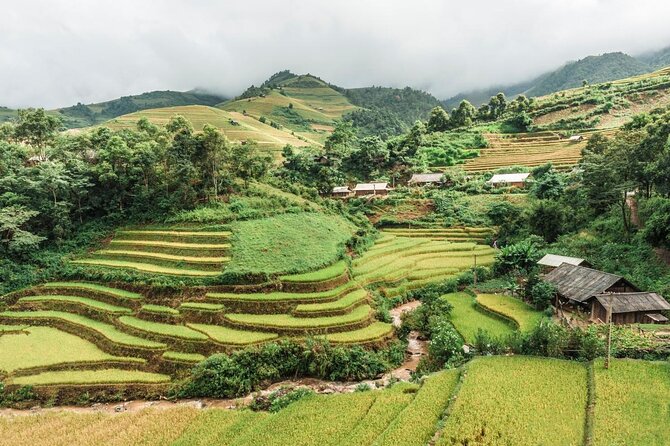
- 9km trek day: you’ll walk through rice-country village areas and visit Y Linh Ho and Lao Chai
- Fansipan by cable car: about 20 minutes up to roughly 2800m for panoramic views
- Hotel and meals handled: overnight in a 3-star hotel plus 2 breakfasts, 2 lunches, and dinner
- Time to explore Sapa town: you get free time during the day and night
- Small group size: up to 15 people, easier to ask questions and stay coordinated
Hanoi to Sapa Without Losing a Day on Transit
Most Hanoi-to-Sapa plans fail in one place: you spend the first day traveling. This one flips the rhythm. You’re picked up from your Old Quarter hotel area at about 9:30–10:00pm, then you ride a sleeping bus overnight to reach Sapa in the early morning. The practical win is simple: you gain usable daylight in Sapa for trekking and town time, rather than arriving when everything is already closing.
Another plus is that the pickup is localized. It’s only for hotels in the Old Quarter, and it ends back at the same area, so you’re not doing awkward self-transport at either end. The meeting point in Hanoi is listed near 204 Đ. Trần Khánh Dư, Tràng Tiền as well, which helps if your pickup timing shifts.
Do keep expectations realistic about sleeping buses. Your body may not feel like it just won a hotel spa contest. Also, the tour notes it’s not recommended for people taller than 190 cm, which is a big clue that legroom can be tight in cabin-style seating/beds. If you’re tall, you’ll want to think twice before choosing any overnight bus plan, even a good one.
You can also read our reviews of more evening experiences in Hanoi


Getting Your Bearings in Sapa: Breakfast, Rest, and Town Time
On the trekking day, the schedule is designed around an early arrival. You land in Sapa around 5:30am, then you’ll have breakfast and time to rest at your hotel. That rest slot is worth its weight in warm socks. Sapa mornings can feel chilly, and a trek without a reset usually turns into grump mode by hour one.
Then comes the part many people love: you get genuine breathing room in Sapa town. The tour highlights free time to explore during both day and night, which is where your trip stops being only “walk and get transported” and becomes a real mini stay.
In practical terms, this is when you can:
- eat something simple without tour pacing
- browse markets at your own speed
- take quick photos without the pressure to rejoin a line
One more practical note: beverages are not included, so if you plan on iced drinks or bottled water, factor that into your day-to-day spending.
Trekking 9km Through H’Mong Villages: Ta Van, Lao Chai, and Y Linh Ho
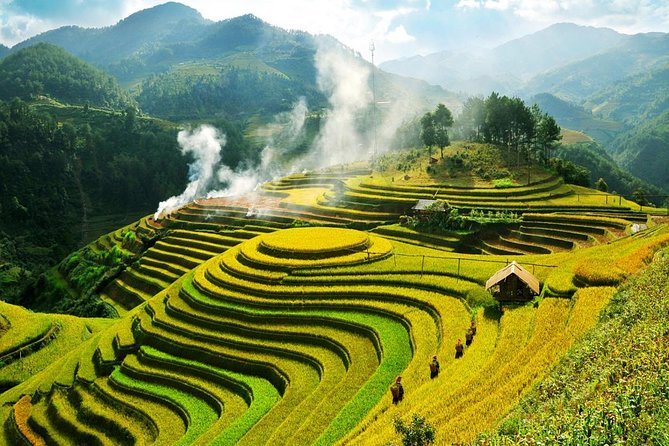
This is the heart of the tour. You’ll trek about 9km, and the experience is built around rural village life and valley scenery. After arriving and resting, the walking day begins around 8:30–9:00am.
The tour names the village areas clearly: you’ll visit Y Linh Ho and Lao Chai, tied to the H’Mong minority communities. You’ll start from Ta Van, which is positioned as your entry into the trekking route. The way this is laid out is helpful: you’re not just “in nature,” you’re moving through villages where daily life continues around you.
What makes a trek like this valuable is the pacing. A 9km trek is long enough to feel like you went somewhere, but short enough that it isn’t an all-day suffer-fest if you keep a steady pace. It’s also structured with a lunch stop around 1:00pm.
Here’s what I’d watch for, since the tour style blends “guided” with “logistics handled for you.” You can expect an English-speaking guide during the core experience, but you should still come prepared to communicate basic needs without relying on a single person to interpret every moment. Pack water, keep an eye on your footwear, and take breaks when the group slows. The trek is also a good reminder to dress in layers. You’re going from town elevation to valley paths and back, and weather can change.
Also, the itinerary mentions that you’ll be guided, but the overall concept isn’t one continuous walking tour led by one guide for every hour of the day. That’s not a dealbreaker, but it explains why the “tour vs agency” comment exists in feedback.
The Part Between Stops: Why the Hotel Matters in Sapa
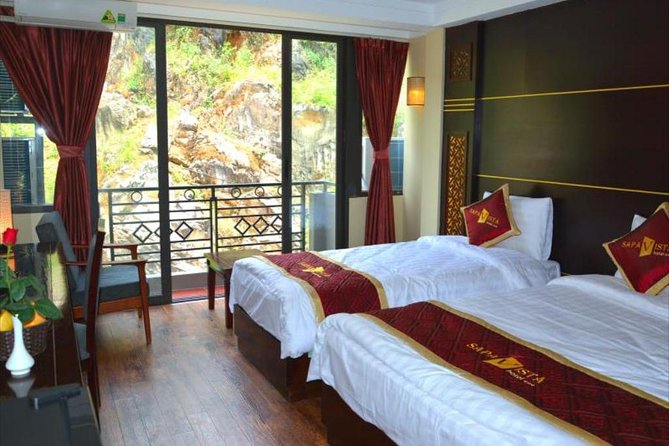
This tour doesn’t send you to a random sleeping room at the edge of town. You get an overnight at a pre-booked 3-star hotel in Sapa town, and that’s more important than it sounds.
After trekking, you want:
- a real place to shower and change
- a bed you can actually sleep in
- a short walk or quick transfer so you’re not starting your next day exhausted
The schedule supports that. On day one you ride overnight, and day two you get breakfast/rest at the hotel before the trek. On day two evening you have time to be in Sapa town, then you sleep in town again. That gives you the chance to keep the trip from turning into a constant relocation marathon.
One more detail: dinner is included, and breakfast repeats for day three. When meals are built in, you waste less time hunting for food right when you’re most tired. You still handle beverages yourself, but the essentials are taken care of.
Fansipan by Cable Car: Scenic Time at 2800m
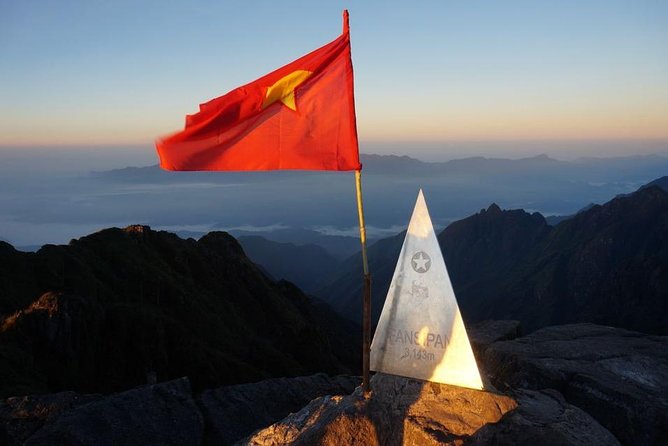
You’re not signing up for a long summit hike here. Fansipan is the iconic peak, and this tour reaches it using the cable car.
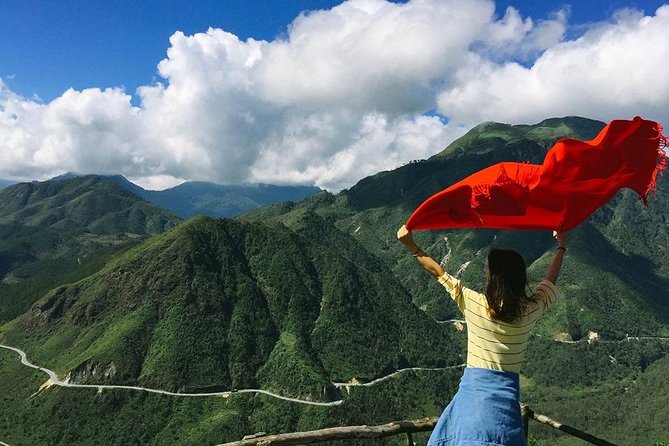
On the final day, after breakfast, you’ll head to the cable car station. The transfer and ride are scheduled, and you spend about 20 minutes on the cable car. You reach an altitude of roughly 2800 meters, where you get time for sightseeing and views.
This is the smartest version of the Fansipan idea for many visitors. Cable car access means:
- you avoid the biggest physical barrier
- you get panoramic viewpoints without “hour 7 of climbing” burnout
- you still feel like you visited the top, not just a nearby viewpoint
The tour also includes the relevant entrance fees as listed, which typically means you won’t be scrambling for tickets at the station.
If you care about photos, plan your timing around weather. The tour experience is noted as requiring good weather, and if conditions are poor, they’ll offer a different date or a full refund (more on that in FAQ). So if you arrive and it’s foggy, don’t panic. The whole point of having a planned schedule is that the operator can adjust to what the day gives you.



Price and Value: What $192 Covers (and What It Doesn’t)
At $192 per person for a roughly 3-day / 2-night package, you’re paying for more than “a bus ticket to Sapa.”
Based on what’s included, your money goes toward:
- round-trip sleeping bus transport from Hanoi Old Quarter area
- a 3-star hotel in Sapa town for one overnight
- 2 breakfasts, 2 lunches, and dinner
- English-speaking guide during the active tour components
- entrance fees and Fansipan cable car access
- pickup and drop-off logistics in the Old Quarter area
- a small-group cap of 15 travelers
What’s not included is mainly personal consumption: beverages and any extras you decide to add.
If you compare this to booking each piece separately, the “value” is that your time is protected. Even if the total cost overlaps with what you might pay DIY, the package saves you stress: you don’t need to coordinate bus schedules, hotel location, meal timing, and tickets at the same time.
One subtle value factor: booking tends to be competitive. The tour notes it’s often booked about 70 days in advance on average. If you have fixed dates (especially around busy seasons), grabbing early can prevent the “everything is full, now what?” scramble.
Logistics That Affect Your Comfort (Small Details You’ll Feel)
This trip is efficient, but comfort still depends on a few realities.
First, the sleeping bus starts late. Pickup is around 9:30–10:00pm. That means you’ll want to plan your Hanoi day accordingly, not schedule anything strenuous right before pickup.
Second, you’re in a group limited to 15, which helps, but it still means you’ll move as a unit. Trek breaks and town free time are structured, so you won’t have total freedom of movement at all hours.
Third, there’s a height note: not recommended for those over 190 cm. If you’re around that mark, consider your body tolerance on overnight transport.
Finally, this is also a weather-dependent experience. If it’s canceled due to poor weather, you’ll be offered a different date or a full refund. That doesn’t mean your trip is doomed. It means the operator is taking altitude and visibility seriously, especially for the Fansipan day.
Is This Tour for You? Who Will Enjoy It Most
This tour fits best if you want three things at once: scenery, village walking, and peak views, with minimal planning effort.
It’s a strong fit if:
- you like small-group travel and expect a real guide for the trek and key transitions
- you want the Fansipan experience without a long summit hike
- you’d rather spend time enjoying Sapa town than figuring out transport and meals
- you’re okay with an overnight bus and want daylight in Sapa when you arrive
It might feel less ideal if:
- you expect one single guide to be with you nonstop for every hour
- you dislike any “package” feel and prefer fully independent routing
- you’re tall and worried about the sleeping bus setup
Also, the trekking day includes a planned route through village areas. If you’re looking for a gentle stroll only, note that you’re doing about 9km.
Should You Book This 2-Night Sapa Tour + Fansipan Peak?
I’d book it if your priority is balanced value: the overnight transport, 3-star hotel, meals, village trekking, and Fansipan cable car all in one timeline. It’s priced like a packaged shortcut, and the itinerary is built around actually using the two days you have.
I’d think twice if you are the type who needs a guide constantly at your elbow or if you know overnight buses are a deal-breaker for your comfort. In that case, you might prefer a different style tour that keeps one guide with you for the entire day.
If you go, do this: bring shoes you can walk 9km in, stay warm in layers for altitude, and keep your expectations flexible about weather on the peak day. When it’s clear, the views are the payoff. When it’s not, the tour’s built-in planning helps you pivot without losing the whole trip.
FAQ
What time does the pickup happen in Hanoi?
Pickup is scheduled around 9:30pm to 10:00pm from your hotel in the Hanoi Old Quarter area.
Where do the pickup and drop-off happen?
This tour only offers pickup and drop-off at your hotel in the Old Quarter. The meeting point listed is at 204 Đ. Trần Khánh Dư, Tràng Tiền, Hoàn Kiếm, Hà Nội.
How long is the tour, and how many nights does it include?
It’s listed as about 3 days with 2 nights.
Do I get to rest after arriving in Sapa?
Yes. You arrive in Sapa around 5:30am, then you’ll have breakfast and time to rest at the pre-booked hotel.
How much trekking is included, and which villages do you visit?
You trek about 9km and visit Y Linh Ho and Lao Chai. The route also includes Ta Van as part of the experience.
How do you reach Fansipan Peak?
You reach Fansipan by cable car, spending about 20 minutes and arriving at around 2800 meters.
What meals are included?
Dinner is included, along with 2 breakfasts and 2 lunches.
Are entrance fees included?
Yes. Entrance fees as mentioned on the itinerary are included.
What happens if weather is poor?
The experience requires good weather. If it’s canceled due to poor weather, you’ll be offered a different date or a full refund.
Is the tour easy to join for most people?
Most travelers can participate. It’s noted as not recommended for travelers more than 190 centimeters tall, and the group size is capped at 15 travelers.
You Might Also Enjoy


More Evening Experiences in Hanoi


More Tours in Hanoi
- Ninh Binh Full-Day Tour from Hanoi to Hoa Lu, Tam Coc & Mua Cave Via Boat & Bike
★ 5.0 · 4,384 reviews